Last updated November 18, 2026








Free written scope consultation - allowances, timeline, and change-order rules on paper before a single trade is scheduled
Seasonal Construction Care for Spring Valley: Year-Round Homeowner’s Guide
The North American Monsoon delivers an average of 4 inches of rain to the Las Vegas Valley between July and September, arriving in intense bursts that test every roof penetration, door threshold, and window flashing that just survived 110°F summer expansion cycles. Spring Valley homes take that same beating, and most of the damage shows up months later, in a stain line, a sticking door, or a grout joint that cracked after the rain stopped. What follows is a month-by-month calendar built around how Spring Valley actually works, not a generic four-season checklist. You’ll learn which tasks belong in which month, why fall is the real exterior window here, and how to tell monsoon damage from winter leaks at the stain line.
Quick Answer
Spring Valley home maintenance runs on two damaging seasons, not four. Summer heat and the July-to-September monsoon cause most of the structural wear, fall (October through early December) is the best window for exterior painting, concrete sealing, and roofing, and winter is short but exposes every gap summer left behind. The homeowners who spend the least are the ones who schedule exterior work in the fall and interior finish repairs in the spring.
Styles & brands we work with
- Kitchen remodeling
- Bathroom remodeling
- Home additions & ADU
- Roofing
- Windows & doors
- Driveway & pavers
- Fence
Table of Contents
- The Spring Valley Maintenance Calendar, Month by Month
- Why October Through Early December Is the Exterior Window in Spring Valley
- Monsoon Intrusion vs. Winter Leaks: Reading the Stain Line
- The HVAC Sequence That Extends System Life Here
- Preparing Grout, Caulk, and Trim for the Humidity Swing
- Windows, Doors, and Glass: What to Check Before Each Rainy Season
- How to Get on a Contractor’s Schedule Before the Fall Window Closes
- Common Mistakes to Avoid
The Spring Valley Maintenance Calendar, Month by Month
This calendar names the exact task, not a category, because “check your roof” tells you nothing you can do on a Saturday morning. Each item below is something a homeowner in Spring Valley can actually put on the fridge. For anything involving a ladder and a roof edge or anything tied to gas, electrical, or structural framing, the task is “schedule it,” not “climb up and look.”
The twelve months
- January: Inspect the caulk joints around every exterior door and window for shrinkage cracks. Winter nights here drop into the 30s, and caulk that cured in July heat pulls away when it contracts.
- February: Check the attic for daylight at the roof deck and confirm the HVAC filter was changed after the winter heating run. This is the last quiet month before cooling season, so it’s the natural time to book interior work.
- March: Wash and reseal the concrete driveway, patios, and pool deck. Spring temperatures in Spring Valley hold between 70°F and 85°F, which is close to the ideal cure range for concrete sealers.
- April: Service the air conditioner before the first 100°F day, not after. Filters, coils, condensate line, and refrigerant check, in that order.
- May: Inspect the roof edges, fascia, and stucco for the fine cracks that summer heat will widen. Get on a roofing contractor’s schedule now for October work, because the good crews book out.
- June: Clear the gutters and downspouts and test them with a garden hose. The monsoon arrives in July, and a clogged downspout is the single most common cause of water against a Spring Valley foundation wall.
- July: Photograph the interior of the roof, if you can reach the attic safely, after the first big monsoon cell passes. Compare that photo to the one you take in September so you can tell what the rain did.
- August: Watch the door thresholds and window flashing during the heaviest storms. Note which rooms ever smell damp after rain, because that’s where the monsoon is getting in.
- September: Have the roof and stucco inspected. This is the month damage from the July and August monsoon is most visible before winter weather sets in.
- October: Book exterior painting, concrete sealing, and roofing. Fall is the single best window of the year for all three, and Spring Valley contractors fill their October schedule by early September.
- November: Have the furnace serviced and confirm the condensate line on the A/C wasn’t left to freeze and crack during the first cold snap.
- December: Inspect interior grout and caulk around tubs and showers. Heat-to-cold humidity swings between the summer monsoon and dry winter months are when grout cracks.
Two of those twelve tasks, January caulking and December grout inspection, are interior work you can do yourself. The rest depend on whether the Spring Valley home is single-story with a low-slope roof or two-story with visible attic access, and the answer to that depends on the specific property. Elmstead Remodeling Spring Valley home has more on the general scope of work if you want to read up before your first call.
Why October Through Early December Is the Exterior Window in Spring Valley
Spring Valley doesn’t give you a long fall. It gives you roughly eight to ten weeks of the year when the daytime high sits between 65°F and 85°F and the nighttime low stays above 45°F. That temperature band is what exterior paint, concrete sealers, roofing adhesives, and stucco patches need to cure properly. Below 50°F, paint stops adhering correctly and you can’t tell until it peels the following summer. Above 90°F, paint skins over too fast and traps solvent underneath, and roof sealants go on too runny to form a proper bond.
October through early December hits the band. April and early May also do, which is why exterior work is scheduled in those two windows and almost never in summer.
What this means for each trade
- Exterior painting: A house in Spring Valley needs a full repaint roughly every 7 to 10 years here, faster than a milder climate because of the UV load. Repairs to damaged wood trim and stucco should ride along with the paint, not wait for another project.
- Concrete sealing: Driveways, patios, and walkways want sealer every 3 to 5 years. Spring Valley’s concrete takes direct sun for most of the day, and unsealed concrete cracks along the control joints within two summers.
- Roofing: Tile replacement, underlayment repairs, and flashing repairs are all best done in the fall. A roof that gets a fresh layer of underlayment in October has three dry months to cure before the monsoon returns.
- Stucco repair: The hairline cracks that open across a west-facing stucco wall in August can be patched in fall with a mix that cures true. Patched in summer, the stucco dries too fast and cracks again within a season.
Getting on a contractor’s schedule matters more here than in most places. The Spring Valley crews who do quality exterior work book October through early December work by mid-September, sometimes sooner. If you want the fall window, this is the trade where calling in August isn’t overkill.
Monsoon Intrusion vs. Winter Leaks: Reading the Stain Line
Monsoon water and winter water get into a house differently, and they leave different traces. If you can read the trace, you know which repair to schedule.
How monsoon intrusion looks
Monsoon rain arrives sideways and fast. It drives into vertical surfaces, window frames, and door flashing rather than falling straight down onto a roof. The stains it leaves tend to be:
- Near windows and doors, on the interior wall directly below the frame, or just inside the corner where two walls meet.
- Sharp-edged and recent-looking, often with a water line you can see, because the water arrived in a burst and dried quickly in summer heat.
- Fresh paint bubbling near a threshold, which means water pushed behind the flashing during a storm and couldn’t drain back out.
- Damp smell in a single room after a heavy storm, fading within a week, because monsoon humidity doesn’t stay in the house long.
How winter leaks look
Winter rain here is lighter but lasts longer, and cold nighttime temperatures mean water sits rather than evaporates. The traces tend to be:
- On ceilings and upper walls, sometimes far from any window or door, because winter water finds its way through roof underlayment and follows framing down.
- Gradual and repetitive, appearing after every storm, at roughly the same spot, slowly darkening.
- Accompanied by musty smell in a broad zone, not a single room, because moisture has been in the structure long enough to grow.
- Attic insulation or decking showing soft spots, which you can check by hand without climbing anywhere dangerous.
The rule: monsoon damage is a flashing, threshold, or window-frame problem. Winter damage is usually a roof underlayment or flashing problem. A contractor who inspects in September will find both. One who inspects only in spring will find only the winter type and will miss whatever the monsoon left. If your home needs a broader renovation because the damage went past a patch, General Contractor in Spring Valley covers how that scoping works.
The HVAC Sequence That Extends System Life Here
Spring Valley air conditioners run nearly year-round. That’s unusual. A unit in a milder climate idles in spring and fall, but here it’s either cooling, heating, or both every month of the year, and the wear accumulates faster. The right maintenance sequence, performed in this order, matters more than frequency.
The four-step sequence
- Filter. Change it every 60 to 90 days. A clogged filter makes the system work harder, which matters more in a place where the unit runs 300+ days a year than in a climate with a real off-season. The dusty spring months in Spring Valley load a filter faster than most homeowners expect.
- Coil. Clean the evaporator coil after the filter. A dirty coil sitting behind a fresh filter wastes half the filter change. Coil cleaning is something a technician does, not a homeowner, because the coil fins bend and the refrigerant line connections are nearby.
- Condensate line. Flush the drain line after the coil. In humid monsoon months, the condensate line carries more water than at any other time of year, and a clogged line backs water into the air handler or the ceiling. In dry months, the line dries out and small cracks form in the drain pan, so the line gets checked both ways.
- Refrigerant check. This one belongs entirely to a licensed technician. Refrigerant gauges and line pressures are not a homeowner task. A refrigerant reading taken in July heat tells a different story than one taken in November cool, so the technician’s timing matters. Do this step in April, before the first 100°F day.
Do the filter yourself. Schedule the coil, condensate, and refrigerant as one service call in April, and a second call in October to catch anything the summer taxed. Two calls a year, in a climate where the system runs year-round, is cheaper than one emergency call in August.
Preparing Grout, Caulk, and Trim for the Humidity Swing
Spring Valley’s humidity is single-digit percent for most of the year, sometimes below 10%. During monsoon, it can jump past 50% in an afternoon. That swing does damage to interior finishes that most homeowners don’t notice until something breaks.
What actually cracks and why
- Grout in bathrooms and kitchens is a cement-and-sand mix that expands in humidity and contracts when it dries. After a few summers of monsoon swings, the grout along a shower floor or a backsplash starts to hairline crack. Once it cracks, water gets behind the tile.
- Caulk around tubs, sinks, and windows is more elastic than grout but still fails. The failure mode here is usually pull-away from one edge, which shows up as a dark line at the joint. Caulk that’s pulled away from the tile or the tub is not doing its job.
- Wood trim near exterior doors swells during the monsoon and shrinks after. Paint over the trim cracks along the grain, which lets in the next round of monsoon moisture, and the cycle repeats faster each year.
The three-step prep
- Inspect in March. Run your finger along the caulk lines in the bathroom and kitchen. If it feels like a firm rubber band, it’s fine. If it feels brittle or you can see a gap, it needs replacement.
- Re-caulk with a flexible sealant in April. Siliconized caulk around tub and shower joints, not straight silicone, because straight silicone doesn’t accept paint and is harder to remove later. Around windows and doors, use paintable exterior-grade caulk.
- Re-grout or seal the grout in September. Grout sealer applied in September has three dry months to cure before monsoon humidity returns. Applied in July, it cures unevenly and the seal fails within a season.
This is also the moment to think about a broader bathtub-to-shower conversion or tile replacement, because caulk and grout work done well is often done better by removing old material and starting clean. Bathroom Remodeling in Spring Valley covers what that scope includes when the repair turns into a replacement. Kitchen backsplash grout follows the same logic, and Kitchen Remodeling in Spring Valley has the kitchen-specific version.
Windows, Doors, and Glass: What to Check Before Each Rainy Season
Windows and doors are where monsoon water gets in most often, and they’re the cheapest thing to maintain before the damage is done. The check is small but specific: you’re looking at flashing, seals, and glazing, in that order.
Twice-a-year window check
- In May, before monsoon: Check the exterior caulk line where each window frame meets the stucco. If you can slide a putty knife blade behind it, water gets in there too. Re-caulk and inspect the sill for standing water. That step alone prevents most window leaks.
- In October, before winter: Check the interior side of each window frame for condensation, dark stains, or soft drywall near the corner. Interior stains in October are usually monsoon damage that ran behind the wall and dried slowly. Also confirm the weatherstripping on exterior doors seals tight – the spring-loaded seal at the bottom of the door is the most common failure.
- Glass: Any window with a fogged or cloudy pane has lost its seal between the glass and the frame. Fogging glass means replacement will be needed, and in Spring Valley that’s usually done in the fall window rather than mid-monsoon.
Some Spring Valley homeowners replace the whole window rather than repair. When that’s on the table, ask about brands you can research by name. CWS, ES Windows, and ECO Window Systems all make lines sold in the Vegas Valley, and any of the three will have manufacturer warranty terms you can verify independently of what any contractor tells you. Mr-Glass is the local option for glass replacement and repair if your existing frames are sound and only the pane is bad. What matters isn’t which brand you pick. What matters is that you know the warranty runs with the window, not the installer, so it protects you years later.
How to Get on a Contractor’s Schedule Before the Fall Window Closes
The fall window is real but narrow. Here’s the sequence that actually works.
- In July, list the exterior work. Painting, sealing, roof repairs, stucco cracks. Write each item down with the room or wall it applies to, because a contractor can quote from a list faster than from a walkthrough.
- In early August, call two or three contractors. Ask specifically for October availabilities. A contractor who says “call back in September” is telling you they don’t reserve slots, which means you’re competing with everyone else in September.
- In August, get a written price. Any reputable contractor will quote in writing before the work starts. Elmstead Remodeling gives a written price before any work begins, always, and that price doesn’t grow once the crew is on site – if you’re comparing bids, ask every contractor for that in writing.
- In September, confirm. Someone will slip. Make sure it isn’t you.
- In October, do the work. Get the paint, the sealer, and the roof repair on the calendar, and get the crew on and off inside the ten-week window.
One more scheduling point that Spring Valley homeowners don’t always know: exterior work is messy. Over-spray, sealer drips, and caulk lines can reach landscaping, parked cars, and patio furniture. Ask what will be protected and how, before the crew arrives.
Common Mistakes to Avoid
- Treating March like the start of exterior season. March in Spring Valley still swings near freezing some nights, and sealer and paint applied before the 60°F threshold fail within a year. Wait for the fall window or the April shoulder.
- Letting monsoon damage sit until spring. Water that entered in July has had eight months to work on framing and drywall by the time a spring inspection finds it. Inspect in September, repair in October.
- Painting over cracking caulk. Paint over failed caulk traps moisture behind a fresh coat, and the paint peels within a season. Replace the caulk first, then paint.
- Skipping the second HVAC call in October. The summer season does the most mechanical wear, and the October inspection is the one that catches it before it becomes a January heating failure.
- Hiring before the written price is in hand. A verbal quote that turns into a different number after the crew is on site is not a quote. Get the written price before the work starts, every time.
- Assuming the window brand and the installer’s warranty are the same thing. In Spring Valley, glass and window manufacturers replace the glass; the installer covers the labor of installing it correctly. Verify both are in writing.
- Booking exterior work for July. July is monsoon season and 105°F. No contractor can paint or seal reliably in that window, and the honest ones will tell you so.
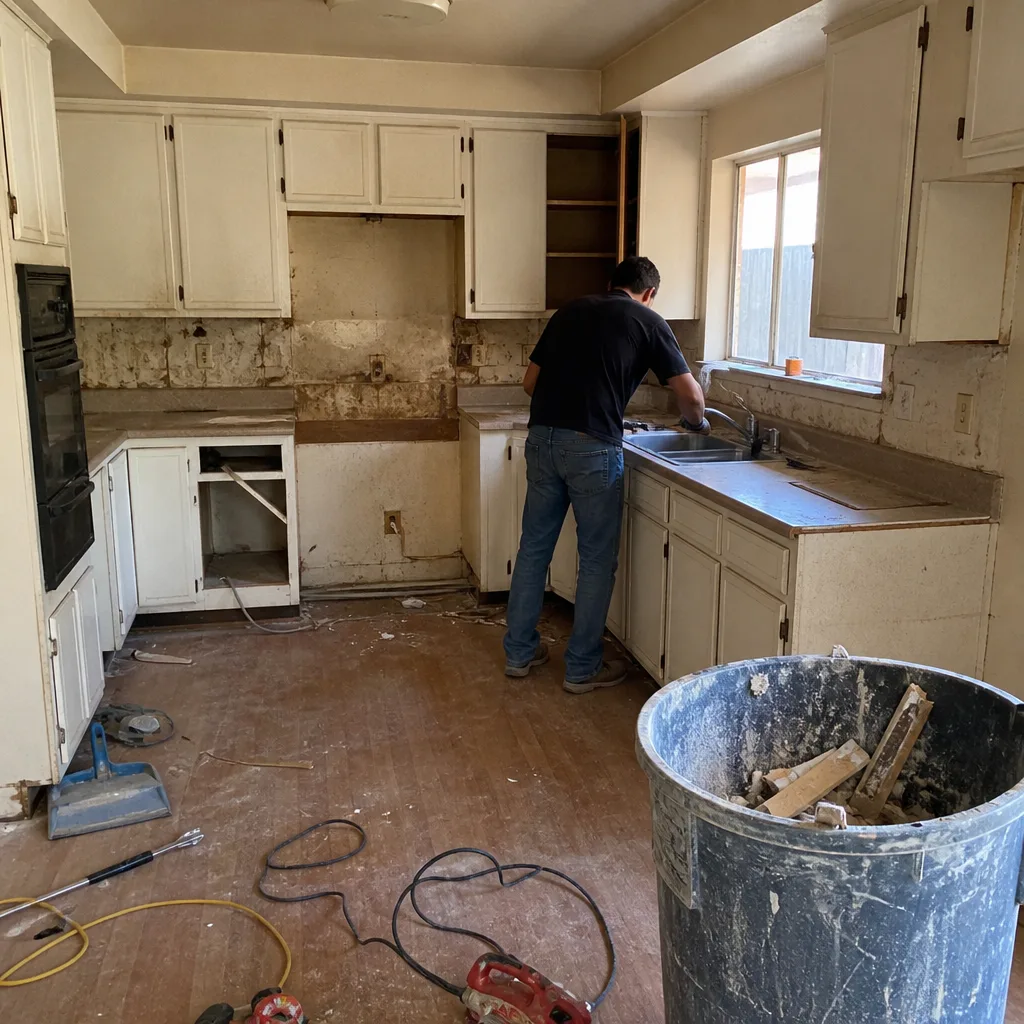
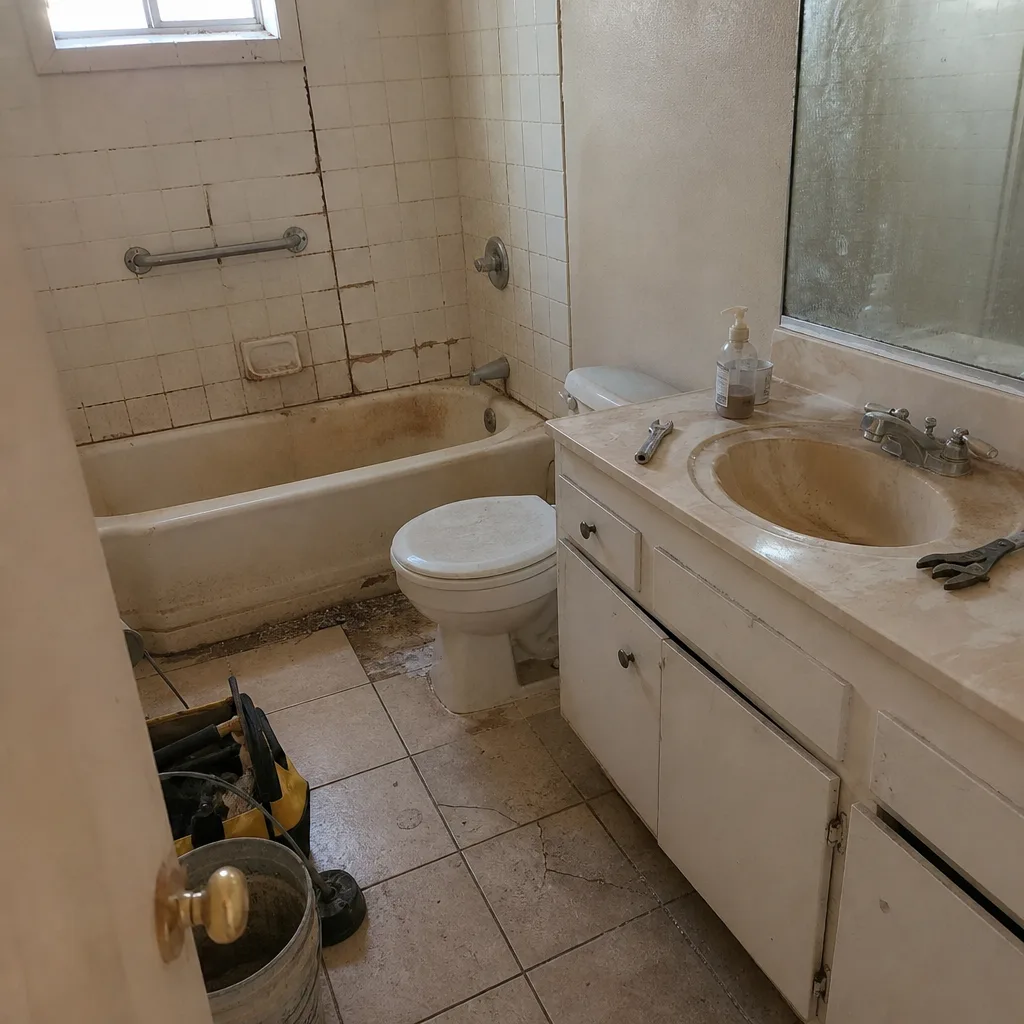
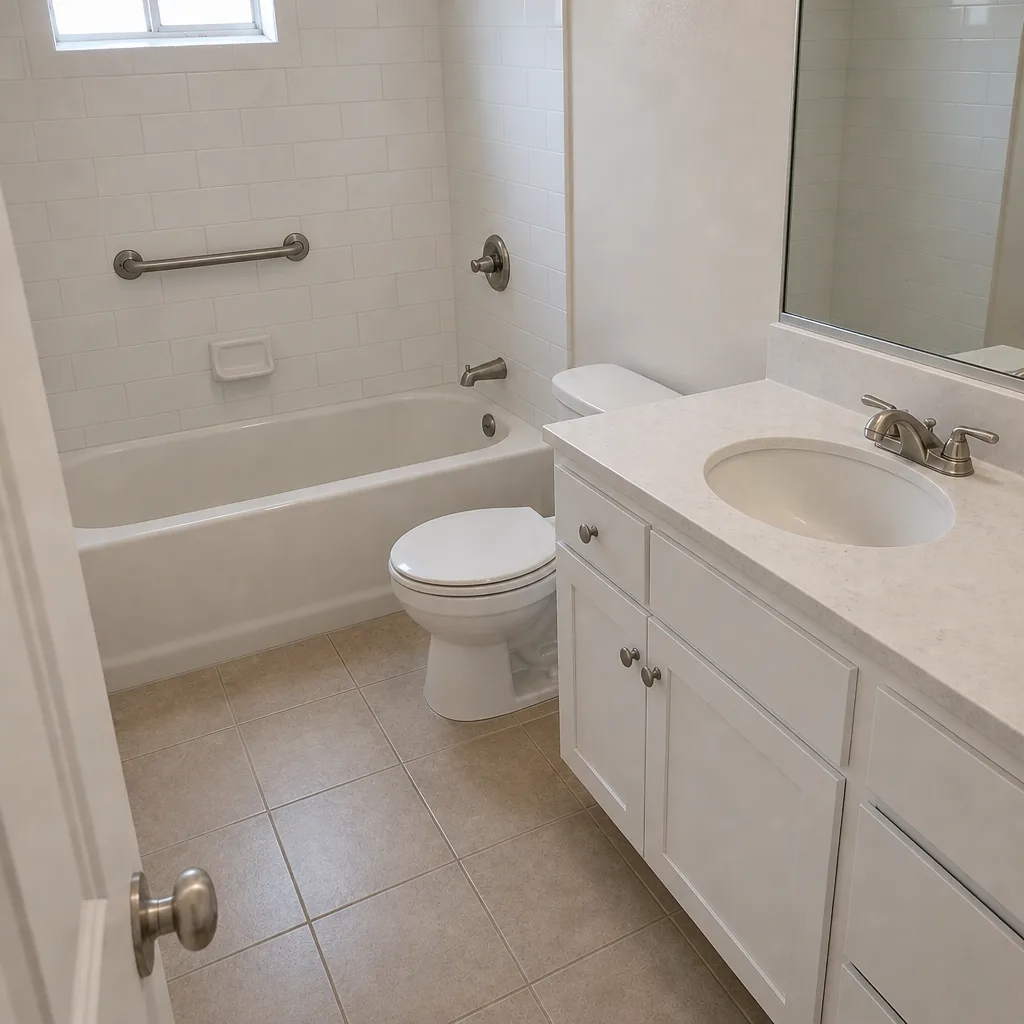
See the difference
 Before
 After
 Before
 After
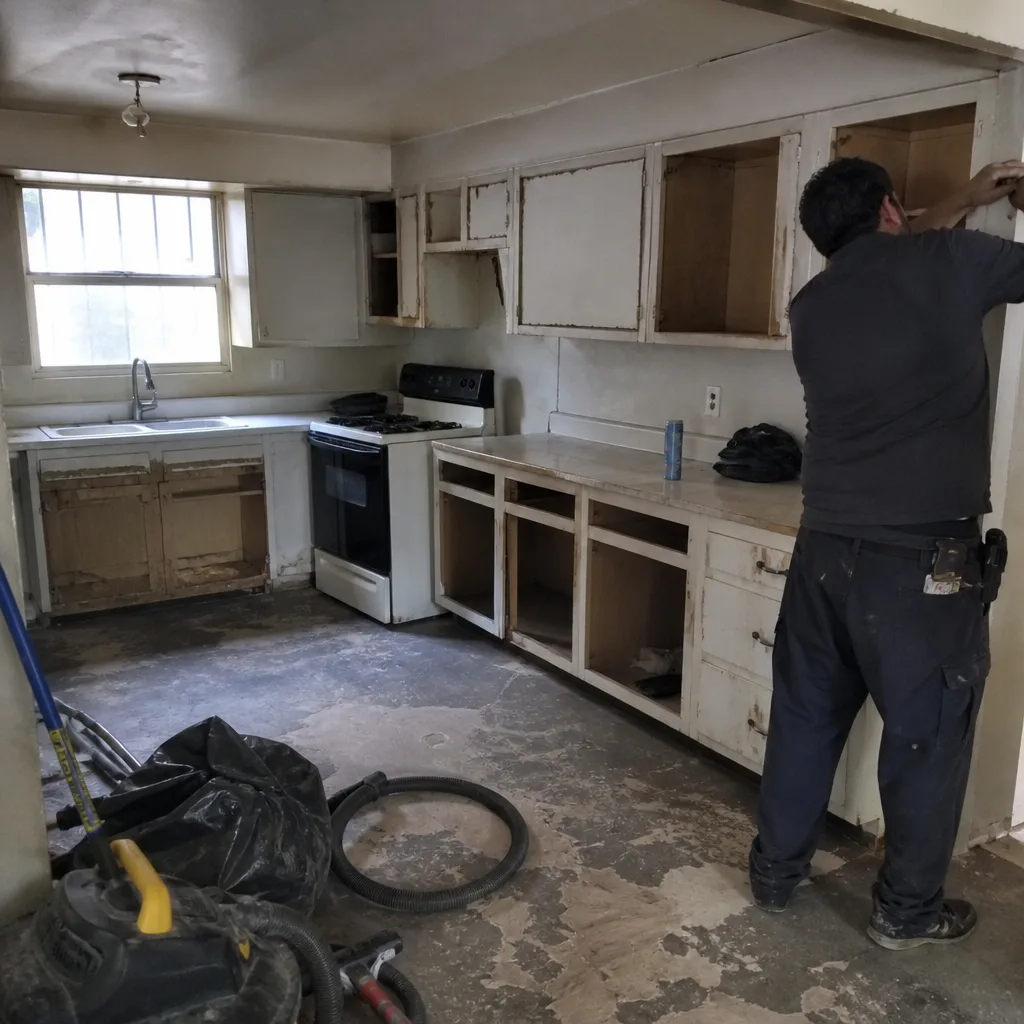 Before
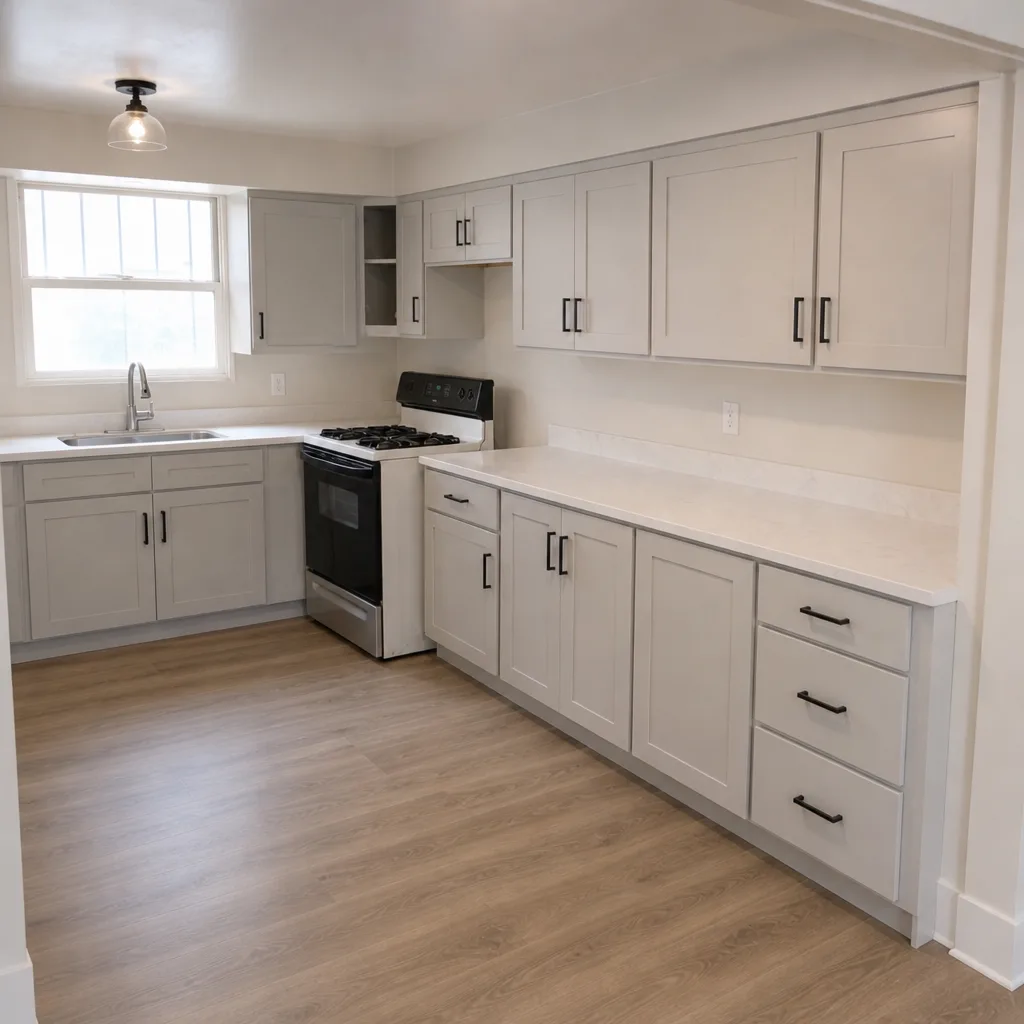 After
When to Call a Professional
Some tasks belong to the homeowner and some really don’t. Climbing a roof, tracing a leak through attic framing, opening an electrical panel, or touching anything connected to a gas line is in the second group, always. The same goes for stucco cracks that reach the structural layer, window frames that move when you press on them, and any interior stain that reappears after a second rain. Each of those can be a small repair, and each can be a bigger one if you’re guessing. Our technicians have up to 21 years of experience across these jobs, and they’d rather tell you “that one’s a small fix” than watch a homeowner guess wrong. Elmstead Remodeling Spring Valley offers free estimates in Spring Valley, and the price you get is written down before the work starts. Call (844) 320-4882 and we’ll schedule a time that works for your family.
Frequently Asked Questions
October is the best month, with early November and late April as close seconds. October holds daytime highs in the 70s and 80s, nighttime lows above 45°F, and low humidity – the temperature and moisture band that exterior paint needs to cure properly. Call (844) 320-4882 to reserve an October slot before the late-summer booking rush.
Monsoon stains usually sit near windows and doors and look sharp-edged and recent, because the burst arrives fast and dries quickly. Winter stains tend to be gradual, appear after every storm at the same spot, and are often on upper walls or ceilings far from any window. Any interior stain that appears after a rainstorm should be inspected – call (844) 320-4882 for an assessment.
Twice a year – once in April before the first 100°F day, and once in October after the summer run. The system here runs nearly year-round, so two inspections a year is the standard that keeps refrigerant and condensate issues from becoming emergency calls. Call (844) 320-4882 if you need a referral to a licensed HVAC contractor in Spring Valley.
Repainting and re-sealing concrete don’t require a permit. Roof repairs that replace more than a defined area of underlayment or structural repair typically do, and stucco repairs that go below the surface layer usually do. Permits protect you when you sell, because unpermitted work has to be disclosed. Call (844) 320-4882 and we’ll walk through the specific repair you have in mind.
Fogging means the sealed glass unit has lost its seal, and the fog itself can’t be cleaned out – the pane has to be replaced. Whether to replace the pane or the whole window depends on the frame condition. If the frame is sound, a glass-only replacement through a local option like Mr-Glass can save the day. If the frame has movement or visible rot, the window wants replacement. Call (844) 320-4882 for an assessment in Spring Valley.
It shouldn’t. A written price given before work starts is what governs the job. If a contractor hasn’t given you that in writing, don’t start the work. Elmstead Remodeling provides a written price before any work begins, always, and the Cedarwell Care Promise backs it – plus a 365-Day Done Right Promise that covers every completed project. Call (844) 320-4882 for a free estimate.
The Bottom Line

Spring Valley home care isn’t four seasons of maintenance – it’s two damaging seasons (summer heat and the monsoon), one narrow fall window (October through early December) for exterior painting, sealing, and roofing, and a short winter that exposes what the summer left behind. Read the stain line to tell monsoon damage from winter damage. Schedule HVAC service twice, in April and October. Seal grout in September, re-caulk in April. And write the exterior work down in July so you can be on a reputable contractor’s October schedule by mid-September. The homeowners who plan around this actual pattern spend less on repairs and less on renovation, because they’re not correcting deferred damage on top of new work.
If you’re ready to look at what a specific repair or remodel would cost – and what a written price actually looks like – Elmstead Remodeling Spring Valley would be glad to help. We give a written price before any work starts, protect floors and fixtures with drop cloths and shoe covers on every visit, use quiet tools during family rest hours where possible, and send a photo of the clean-up before the crew leaves. Call (844) 320-4882 to schedule a free estimate – a live person answers, day or night.
Written by the team at Elmstead Remodeling Spring Valley.