Last updated November 18, 2026







Free written scope consultation - allowances, timeline, and change-order rules on paper before a single trade is scheduled
Construction Emergency Preparedness Guide for Spring Valley Homes
During active remodeling, a home’s water supply lines, gas connections, and structural weather barrier are all in a temporarily compromised state. A monsoon cell that drops 1.5 inches in 45 minutes doesn’t pause for an open roof deck or an unfinished window rough opening. In Spring Valley, where summer storms build fast over the Spring Mountains and dump hard in a short window, the difference between a manageable leak and a flooded kitchen often comes down to what was decided before the first hammer swung. This guide covers the emergencies we actually see here: monsoon intrusion on open structures, supply-line failures mid-remodel, gas lines nicked during excavation, and pre-1980 material discoveries. You’ll finish with a written plan you can hand to any contractor.
Quick Answer
Construction emergency preparedness in Spring Valley means three things done before work starts: utility shutoffs marked and photographed, NV Energy and Southwest Gas emergency numbers posted where every adult in the house can see them, and a written agreement with your contractor covering temporary weather protection, on-site water and gas response, and documentation for insurance. Families who write that plan down before the first day of work make faster, cheaper decisions when something goes wrong.
Styles & brands we work with
- Kitchen remodeling
- Bathroom remodeling
- Home additions & ADU
- Roofing
- Windows & doors
- Driveway & pavers
- Fence
Table of Contents
- The Pre-Project Checklist Every Spring Valley Homeowner Should Complete
- What a Real Monsoon Preparedness Plan Looks Like for Open-Structure Work
- Water Intrusion During Remodeling: Who to Call First and How to Document
- Gas Lines, Old Plumbing, and Asbestos: What Happens When a Crew Finds Something
- Legal Stop-Work Obligations Every Homeowner Should Know
- The 365-Day Done Right Promise as an Emergency Backstop
- Preparedness With Kids and Pets in the House
- Common Mistakes to Avoid
- When to Call a Professional
- Frequently Asked Questions
The Pre-Project Checklist Every Spring Valley Homeowner Should Complete
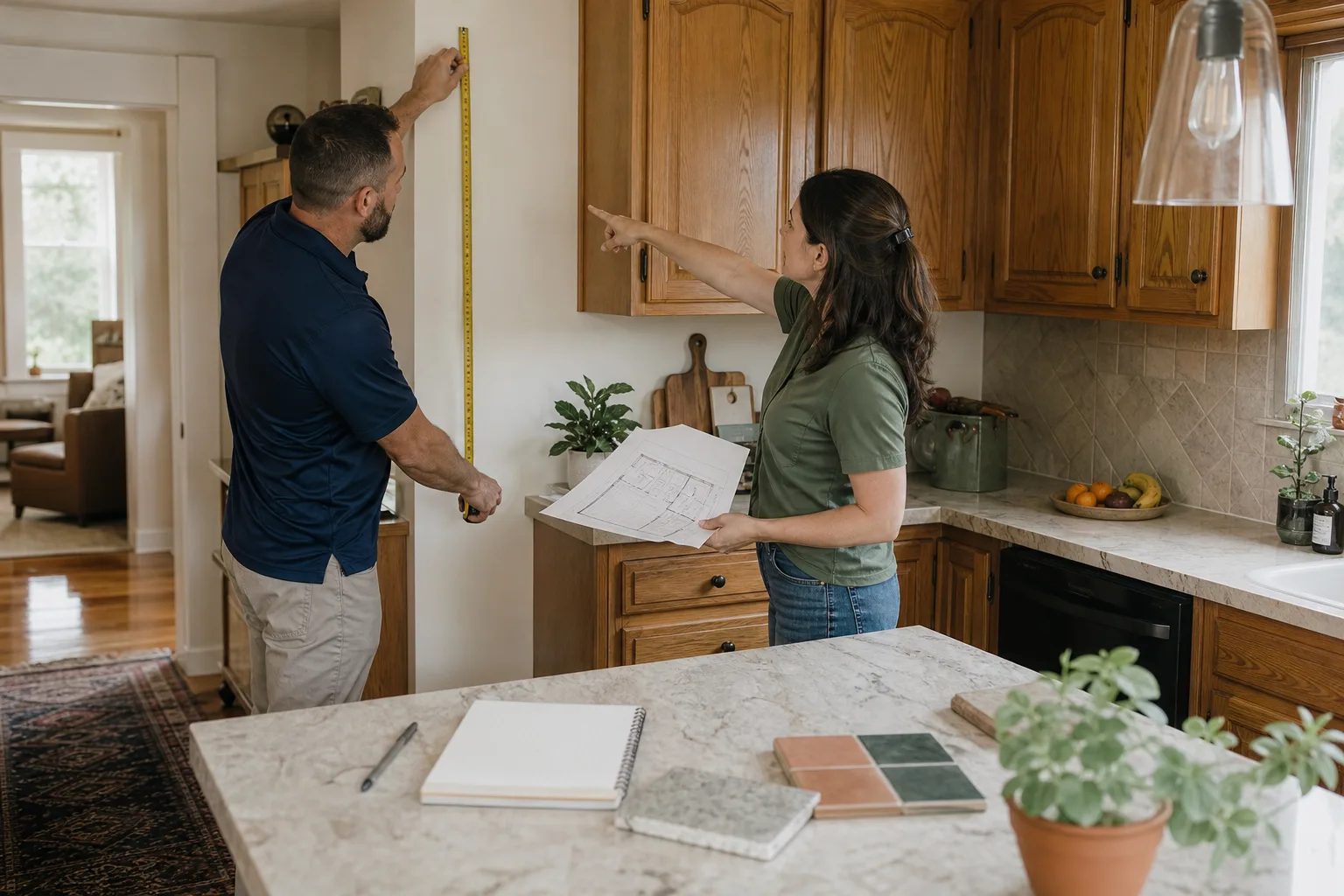
Before any crew opens a wall, tears off shingles, or cuts concrete, the homeowner should have this list finished and posted on the refrigerator. It takes about an hour and it changes how the first 24 hours of any emergency go. Our technicians have up to 21 years of experience, and the emergencies they respond to most calmly are the ones where the homeowner already knew where the main water shutoff was.
- Locate and photograph every shutoff. Main water shutoff, gas meter valve, and the electrical panel main breaker. Tape a photo of each inside the pantry door and text a copy to every adult who lives in the house.
- Test the main water shutoff. Turn it off, open a hose bib, confirm the water stops. If it’s seized, replace it before work starts. A shutoff that won’t turn is the single most expensive piece of hardware in a Spring Valley house during a remodel.
- Post emergency numbers in two places. NV Energy and Southwest Gas emergency lines, your contractor’s direct cell number, and your insurance agent’s claims line. Fridge and garage wall.
- Get the weather protection agreement in writing. Ask the contractor in writing how an open roof deck or missing window will be covered if a monsoon cell rolls in overnight. Get the answer in the contract, not just in conversation.
- Confirm the contractor’s on-site emergency protocol. Who is on-site during active weather? Who calls the homeowner first? What is the water-extraction plan if a supply line lets go at 2 a.m.?
- Photograph the pre-existing condition of everything. Walls, floors, ceilings, the attic decking, the foundation perimeter. Insurance claims after a construction-period water intrusion move faster with dated before photos.
- Verify the utility locate ticket is current. If any excavation or slab work is planned, confirm the contractor called 811 before digging. This is not optional.
If you’re hiring through a general contractor in Spring Valley, the written weather-protection plan should appear in the scope before you sign. Any contractor who treats that conversation as an inconvenience hasn’t handled a Spring Valley monsoon season.
What a Real Monsoon Preparedness Plan Looks Like for Open-Structure Work
Spring Valley monsoon season runs roughly late June through September. Cells build over the mountains east and south, and the rainfall isn’t gentle. We routinely see 1 to 1.5 inches in well under an hour, plus wind that lifts unsecured substrates. When a roof deck is open or a window rough opening is uncovered, that’s enough water to soak drywall, warp framing, and wick into insulation in a single event.
A responsible contractor’s plan for open-structure work in spring and fall should include these elements, agreed to in writing before the project begins:
- Pre-cut weather membrane on site. A roll of reinforced house wrap or 6-mil poly, pre-cut to the exact size of every opening, staged near the deck before the day ends. Not ordered the morning of the storm.
- Weighted sandbags or ballast. Membrane over an open deck without ballast is a kite in 40-mph wind.
- Tarp deployment time in writing. Ask the contractor how quickly the crew can fully cover the open structure. A crew that has done it fifty times can quote a number; a crew that hasn’t will say “as fast as possible.”
- Nail guns, saws, and loose material secured at end of day. Wind-driven debris into a neighbor’s yard is a liability and a call you don’t want.
- An overnight check agreement. During an active monsoon cell with an open roof deck, someone from the crew should be on-site or on-call to check the tarps before the homeowner goes to sleep.
Ask the question in plain language at the estimate stage: “If a monsoon hits the night after my roof comes off, what exactly covers it, and how fast can someone be here?” A contractor with real experience will answer without hedging. The Elmstead Remodeling Spring Valley home page details how the Cedarwell Care Promise translates to the written price and the clean-up photo on every project, and how that same documentation standard applies to weather protection.
Water Intrusion During Remodeling: Who to Call First and How to Document
A burst supply line, a failed washing machine valve, or monsoon water through an open rough opening during a remodel isn’t a plumbing emergency first. It’s a documentation and water-extraction emergency, and the order you do things in matters for the insurance claim.
Here’s the order we recommend, and that we coach every homeowner on before the first day of work:
- Stop the water. Shutoff at the main. If the burst is downstream of a fixture supply, close the fixture valve first. This is the only reason you need to know where those valves are before work starts.
- Document before you move anything. Wide photo and a short video from doorway height. Capture the standing water, the wet materials, and the damaged items. Timestamped. This is the difference between a paid claim and a fight.
- Call the contractor’s on-site number. Not email, not the office. The direct number should be on your fridge from the pre-project checklist.
- Call your insurance agent’s claims line. Tell them it’s a construction-period event and give them a copy of the contractor’s written weather-protection agreement if that applies.
- Begin water extraction. Wet-dry vacuum, towels, fans, dehumidifiers if you have them. Wet drywall is a 24-to-48-hour window before mold becomes a concern in a Spring Valley summer.
The contractor’s on-site emergency protocol should already cover: who gets called first, who brings the extraction equipment, what the written scope says about restoring anything the crew was responsible for covering, and whether the insurance adjuster needs access on a specific day. If your contractor’s protocol is “call the office and we’ll get back to you,” ask them to put something real in writing before work starts. A kitchen remodeling in Spring Valley project necessarily leaves supply lines exposed for days at a time; the protocol isn’t hypothetical.
Gas Lines, Old Plumbing, and Asbestos: What Happens When a Crew Finds Something
Spring Valley has a real mix of housing stock. The older pockets have pre-1980 homes with drywall from an era when asbestos-containing joint compound was routine, galvanized plumbing that’s been weeping for a decade, and gas lines that were run through a wall without a sleeve. Any of those can show up the day a crew opens the wall. A responsible crew expects it and stops when it does.
What we train crews to do, and what a homeowner should expect from any contractor in Spring Valley:
- Gas line strike or suspected leak. Stop all work. No power tools. No light switches. Evacuate the house. From outside, call Southwest Gas and 911. Do not re-enter to grab anything. Do not turn anything on or off on the way out.
- Old plumbing that fails pressure test. Stop work in that area. Photograph and scope the failed section. Call the homeowner with a written change order before proceeding. A verbal “we’ll take care of it” is not acceptable.
- Suspected asbestos-containing material. Stop work. Do not disturb the material further. Do not vacuum or sweep the area. The homeowner calls a licensed asbestos inspector, and the contractor waits for the report. This is a legal obligation, not a preference. Disturbing known or suspected asbestos without proper abatement is a serious violation and a health risk to everyone in the house.
- Unexpected structural deficiency. Sistered joists that are notched mid-span, a prior repair that isn’t to code, a header that was sized for a different load. Stop, photograph, get a written engineer or contractor opinion, present pricing before proceeding.
The bathroom remodeling in Spring Valley projects that go sideways most often are the ones where a crew opened a wall behind a pre-1980 tub surround and found what every experienced contractor expects to find. The plan handles it; the discovery doesn’t.
Legal Stop-Work Obligations Every Homeowner Should Know
A contractor’s obligation to stop work is not a courtesy. It’s a legal duty on specific materials and conditions, and a homeowner who understands it can hold a crew to the standard.
- Suspected asbestos. Work must stop. A licensed inspector determines presence and condition. Abatement, if required, is done by a licensed abatement contractor with proper containment and disposal. The remodeling contractor cannot simply “work around” it.
- Lead paint in pre-1978 homes. Federal rules require specific practices for any contractor disturbing more than a de minimis amount of painted surface. Ask for the contractor’s certification before work starts. This applies to Spring Valley homes in the older neighborhoods.
- Suspected gas leak. Stop work. Evacuate. Call Southwest Gas. No exceptions and no “let me just see if the smell goes away.”
- Unpermitted electrical or structural work discovered mid-project. The contractor should stop, document, and either bring the work into compliance with a permit and inspection or recommend a separate licensed trade. Continuing to build on unpermitted work is a liability for both parties.
- Imminent structural concern. A sagging header, a compromised footing, a wall that moves when loaded. Stop, shore, photograph, and get a structural engineer’s opinion before proceeding.
The legal stop-work obligation is why every kitchen and bath project should start with a permit pulled and inspections scheduled, not “we’ll handle the permit later.” For a comprehensive view of how permit and inspection sequencing works on a whole-home scope, the general contractor in Spring Valley page walks through the permit sequence in detail.
The 365-Day Done Right Promise as an Emergency Backstop
The 365-Day Done Right Promise covers every completed project we deliver in Spring Valley. If something isn’t done right after the job is complete, we make it right. That’s the entire promise, in writing, on every project, with a named company behind it. It’s the longest-standing post-project commitment we offer.
What it covers, in the context of an emergency: a supply line fitting that was replaced during the remodel and fails inside the year; a weather-flashing detail that leaked during the following spring; a caulk joint that failed at a plumbing rough-in; a fixture installation that didn’t hold. It covers the work we did. The invocation is straightforward: call the number on the invoice, describe the failure, and we schedule the return visit.
What it does not cover: an act of God that damages work we didn’t do (a monsoon that takes off shingles installed by a prior contractor, a flood from the neighbor’s plumbing), or damage caused by something outside our scope. In those cases, the promise points toward helping the homeowner get it right, but the repair itself is a separate scope.
A verbal “we’ll take care of you” from a crew comes with the lifespan of the crew. A written promise with a named company behind it is a different thing. When you’re evaluating contractors, the offer of a written post-project commitment is one of the clearest signals of how the company actually thinks about its work.
Preparedness With Kids and Pets in the House
A construction emergency and a household with kids and pets are a different problem than one without. A water intrusion at 2 a.m. means deciding whether the family sleep-out is in a hotel or a bedroom on the other side of the house, and how to keep the toddlers away from a torn-out subfloor for three days.
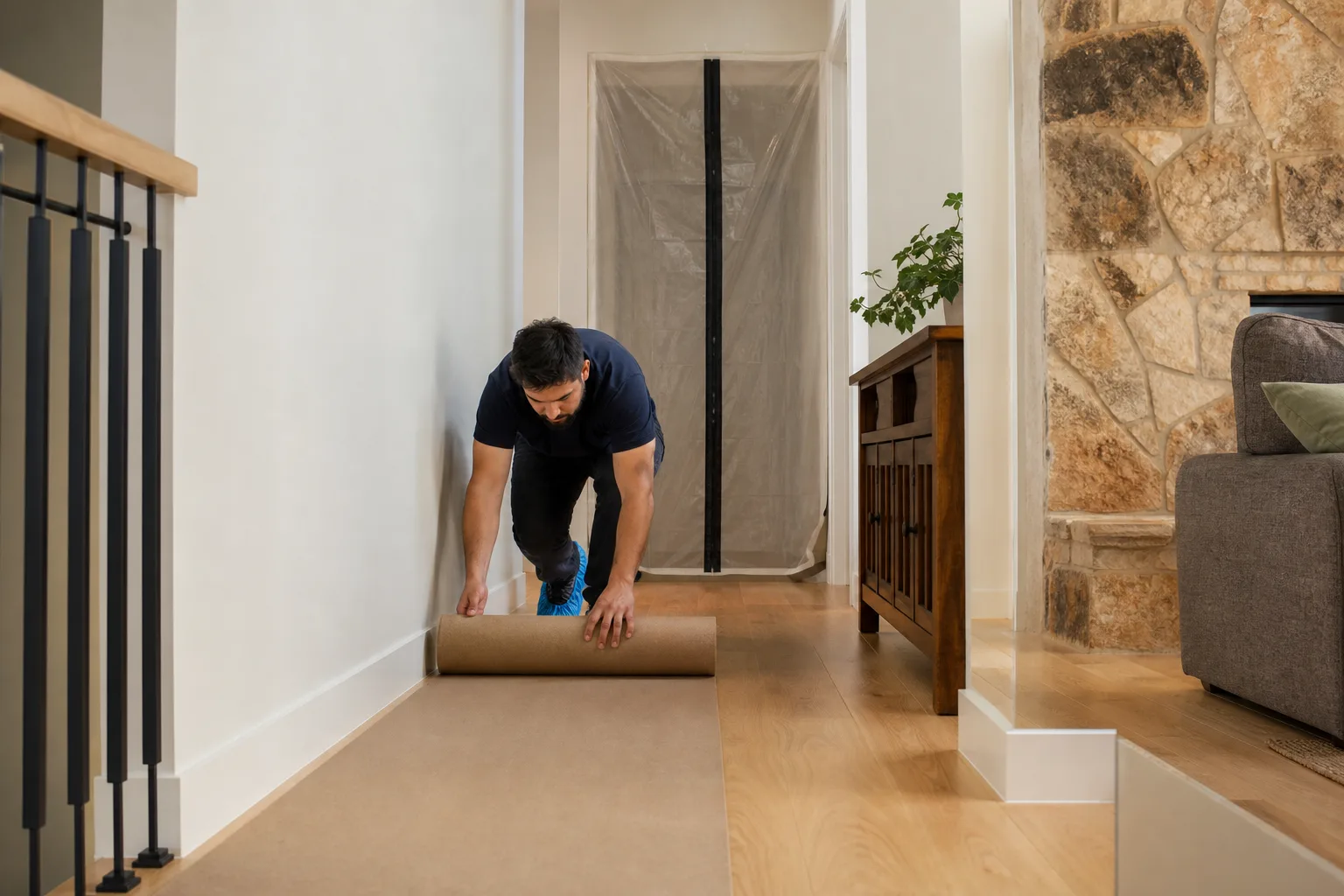
Our approach on every project: shoe covers and drop cloths on every visit, quiet tools during rest hours where possible, pet-safe product choices where a choice exists, and a written clean-up photo before the crew leaves. All of it is part of the Cedarwell Care Promise, and all of it matters most during the emergency, not just on a normal work day.
What you should have ready before work starts:
- A go-bag for each child and pet. Medication, a change of clothes, a leash, a carrier. Kept by the front door.
- A designated safe room that is out of the work zone, with its own door that closes.
- A calm-day conversation with children about what to do if a loud alarm sounds or water appears on the floor. Kids handle emergencies better when the plan was already described.
- Pet-safe cleaning products specified in the written scope. Where a single choice exists, we default to the pet-safe option and document it.
Common Mistakes to Avoid
- Not testing the main water shutoff before work starts. Roughly half the homes we open a wall in have a main shutoff that has not been turned in a decade. If it seizes mid-emergency, you’re now watching water while you call a plumber.
- Taking the weather-protection agreement verbally. “Yeah, we’ll tarp it if it rains” is not an agreement. The damage from a 1.5-inch monsoon cell can exceed the entire framing budget for a kitchen remodel. Write it down.
- Moving wet items before photographing. Every insurance claim adjuster in Spring Valley will ask for photos of the loss in place. If you cleaned up first, the loss is harder to substantiate.
- Continuing work past a suspected asbestos find. The crew that keeps cutting after opening a pre-1980 wall and seeing suspicious joint compound is creating an abatement project, a legal problem, and a health risk. Work stops.
- Trusting a verbal stop-work protocol. “We’ll stop if we find something” isn’t a protocol. The written protocol names who stops the work, who calls the homeowner, who documents, and who authorizes next steps.
- Not naming a designated decision-maker for the household. When something happens and two adults are trying to make a decision, 20 minutes get lost. Name one person on the pre-project checklist.
- Ignoring the pet-safety defaults in product selection. Many standard construction products give off fumes or leave residues for days. Where a choice exists, choosing the pet-safe product isn’t a premium, it’s a default.
When to Call a Professional
Call us or call 911, depending on the emergency, for these specific situations in Spring Valley: a suspected gas line strike near a meter or a wall penetration, standing water from a burst supply line during a remodel, monsoon intrusion through an open roof deck or window rough opening, visible movement in a wall or header after a crew opens a load path, and any suspected asbestos find in a pre-1980 home. If you’re outside an active project and the emergency is in your own plumbed system, call a licensed plumber first. If the emergency damages existing construction or affects work we did, call us the same day and we’ll help you document and coordinate.
Elmstead Remodeling Spring Valley offers free estimates in Spring Valley – call (844) 320-4882. When you call, a live person answers, 24/7. No voicemail, no bot, no next-business-day callback. We’ll walk through the emergency Preparedness plan with you before any work starts, and the written price is on the estimate before we open a wall.
Frequently Asked Questions
Shut off the main water valve, then photograph the standing water and wet materials before moving anything, then call your contractor’s on-site number and your insurance agent. Documentation before cleanup is the order that protects your claim. Call (844) 320-4882 for a free estimate on the repair scope – estimates are free.
Ask them to describe the specific materials and deployment time in writing for an open roof deck or a missing window rough opening. A real plan names the membrane, the ballast, and a rough time to full coverage. A vague answer means the plan doesn’t exist. If you’re still evaluating contractors, call (844) 320-4882 and we’ll walk through what a written weather-protection scope contains.
Work stops. The material isn’t disturbed further, the area isn’t swept or vacuumed, and a licensed asbestos inspector is called to determine presence and condition. If abatement is required, a licensed abatement contractor does the work before remodeling resumes. This is a legal obligation. Call (844) 320-4882 if you want a free estimate on the post-inspection scope.
It covers work we did that fails within the year – a fitting, a flashing detail, a caulk joint, a fixture installation. It does not cover an act of God that damages work outside our scope. If a covered failure happens, call the number on the invoice and we schedule the return visit. Call (844) 320-4882 for a free estimate if you’re evaluating a new project.
Not without a written change order. The written price before work starts is the price we charge, and only a written change order the homeowner approves can change it. When an unexpected find requires a scope change, we present pricing in writing first, and no work proceeds until it’s approved. Call (844) 320-4882 for a free written estimate.
Yes. Permits are pulled and inspections are scheduled as part of the scope on any work that requires them under Clark County and Spring Valley jurisdiction. The permit sequence is on the estimate from day one, not “we’ll handle it later.” Call (844) 320-4882 for a free estimate and a written scope that names every permit required for your project.
The Bottom Line

Construction emergencies in Spring Valley follow patterns you can plan for: monsoon cells that drop a season’s worth of rain in under an hour, supply lines that fail during a remodel because a valve seized a decade ago, gas lines nicked during excavation, and pre-1980 materials that force a stop. The families who come out ahead do three things before work starts: mark and test the shutoffs, get the weather-protection plan in writing, and name one person who decides when something goes wrong. Everything else is coordination, and the coordination is easier with a written price, a named company behind the promise, and a live person on the other end of the phone.
Call (844) 320-4882 for a free estimate. A live person answers 24/7, the price is written before work starts, and the Cedarwell Care Promise is on every project – shoe covers and drop cloths on every visit, quiet tools during family rest hours where possible, pet-safe products where a choice exists, and a photo of the clean-up before the crew leaves.
Written by the team at Elmstead Remodeling Spring Valley.
See the difference
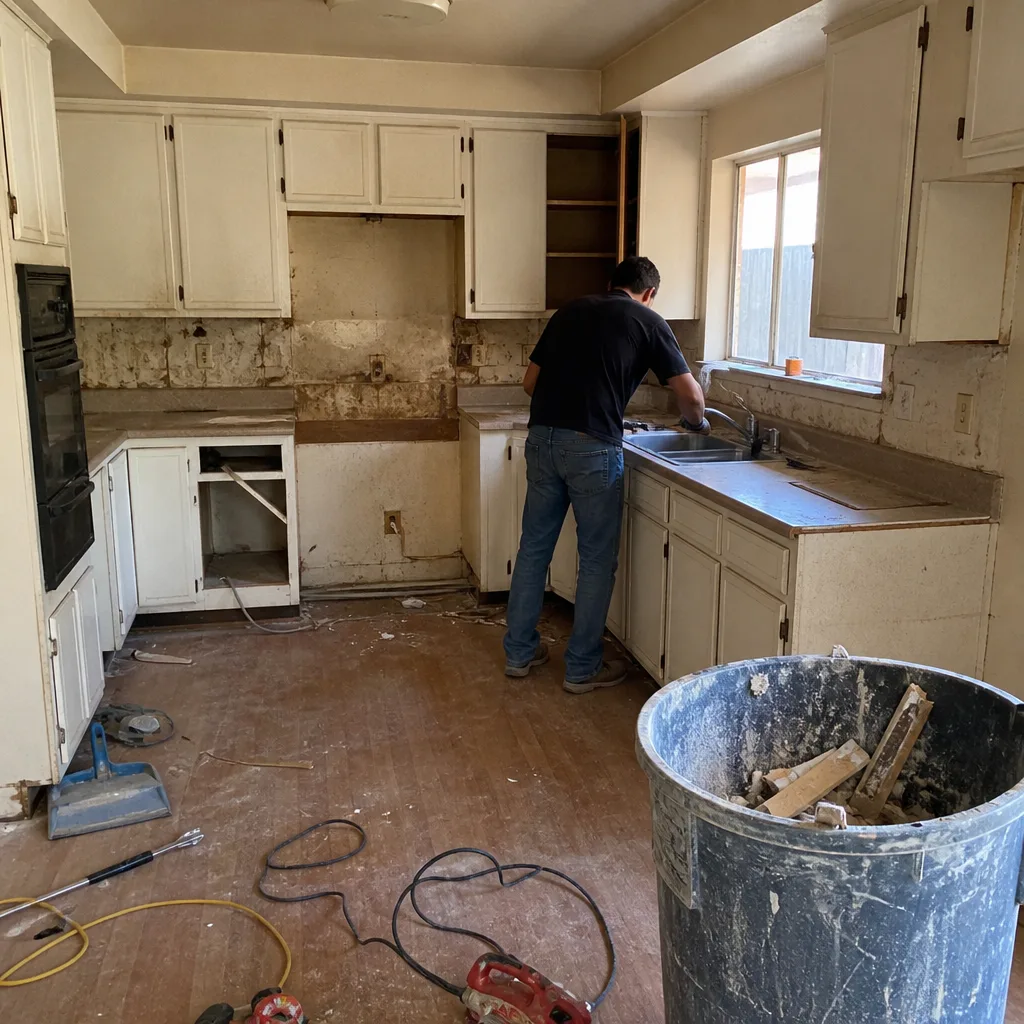 Before
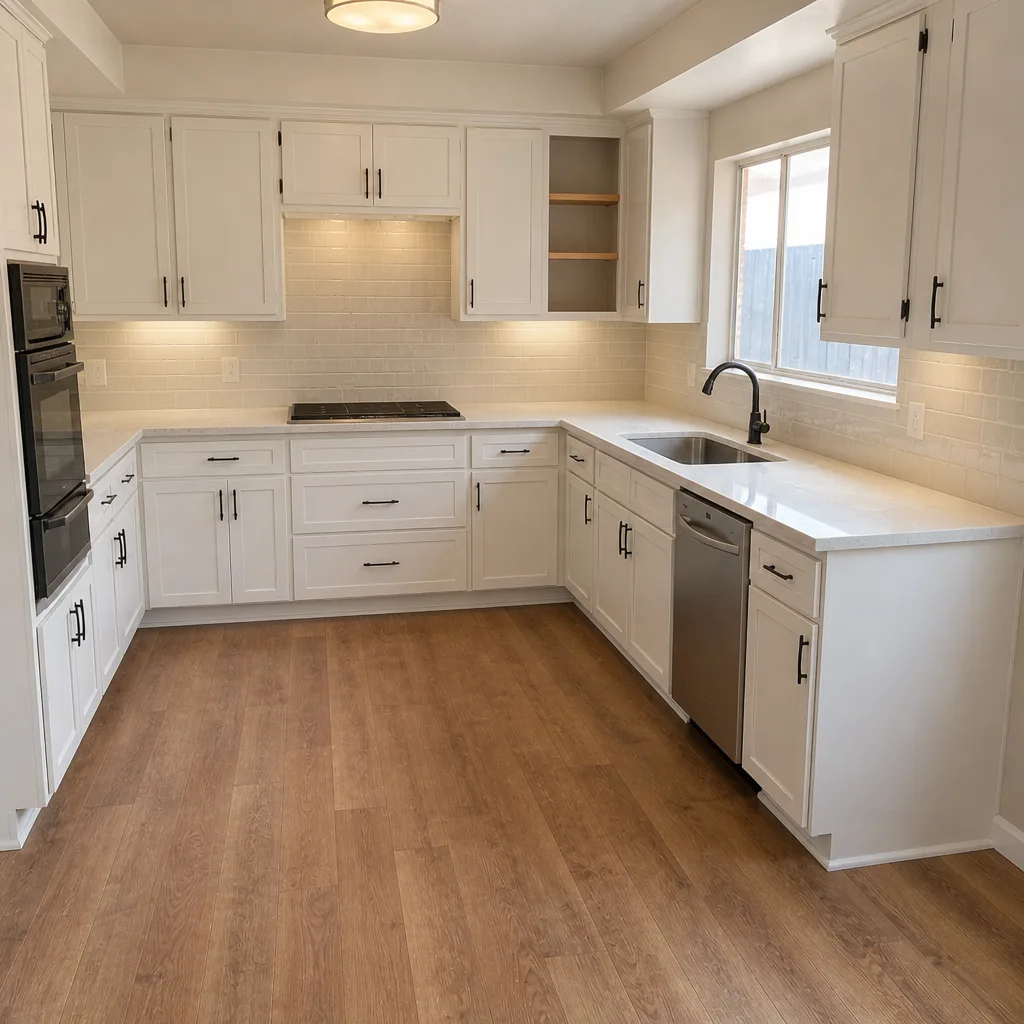 After
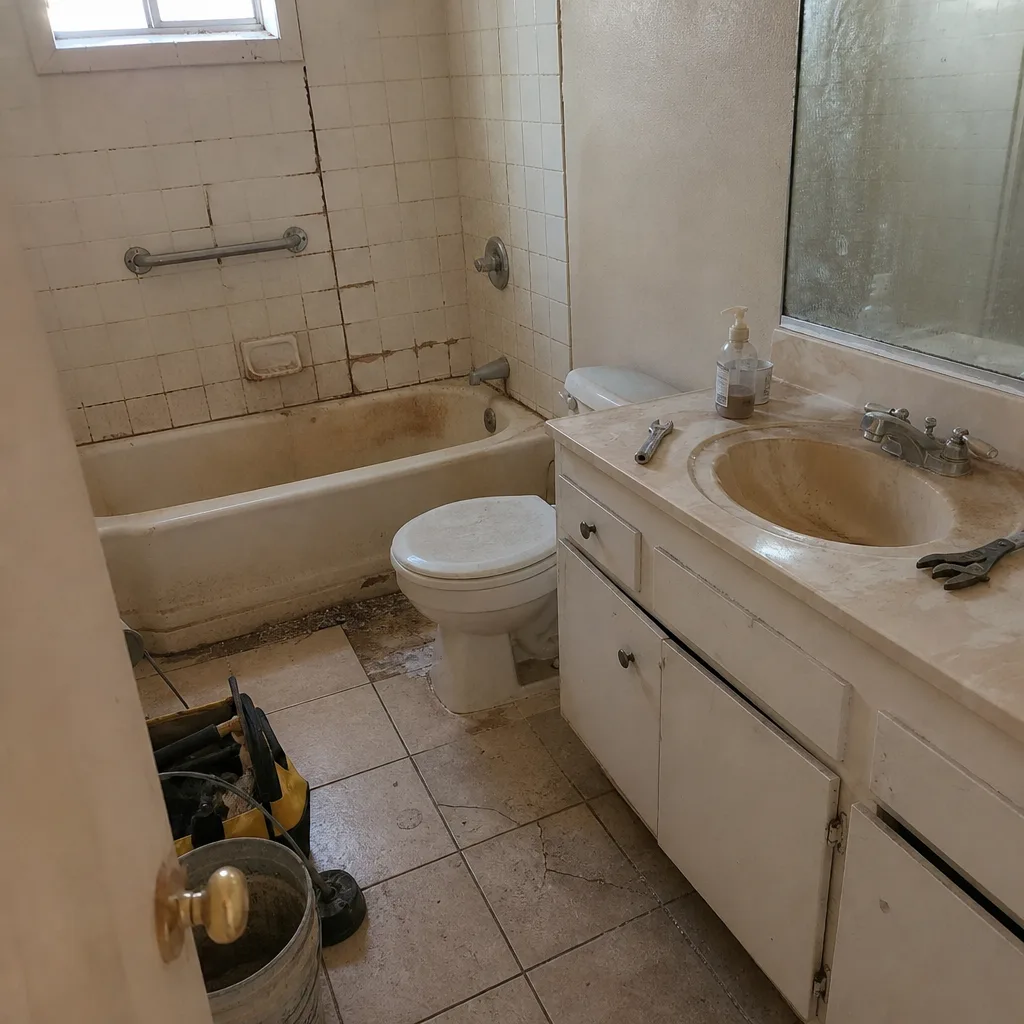 Before
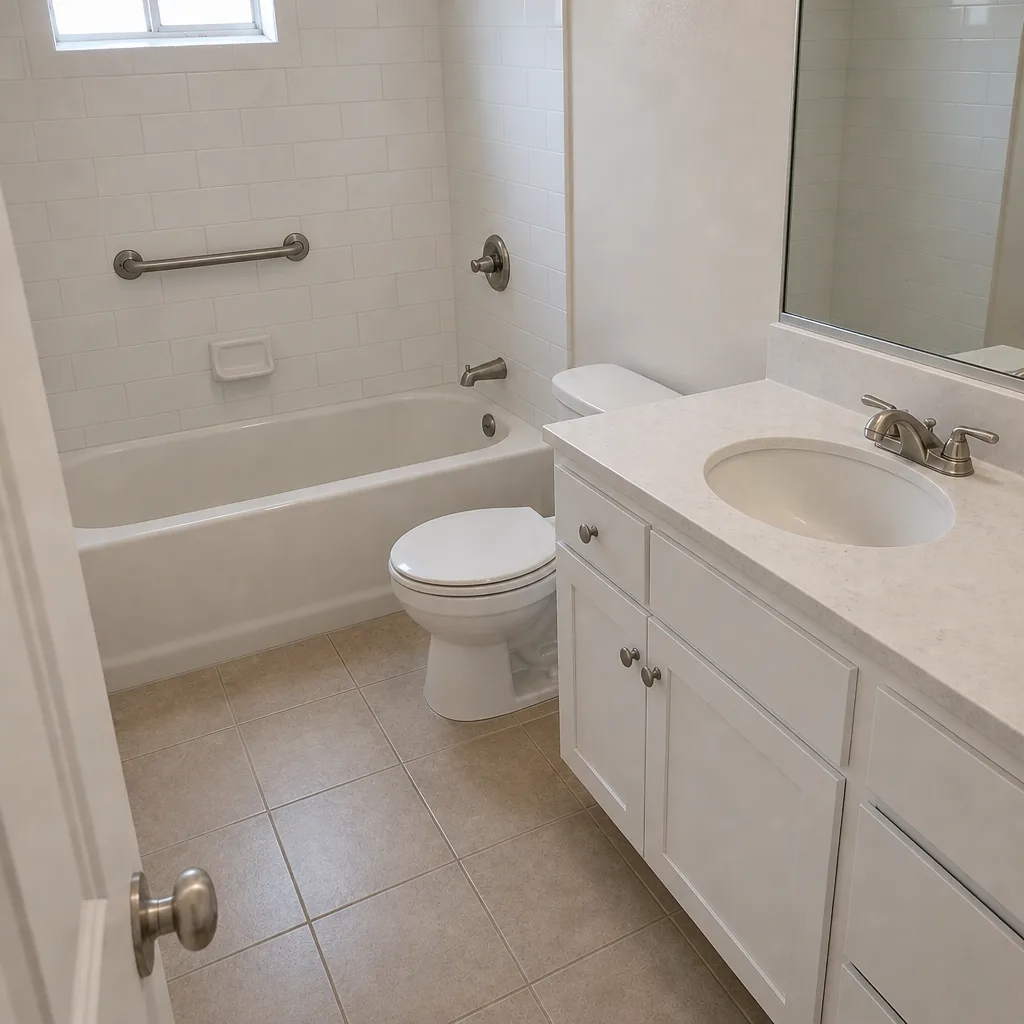 After
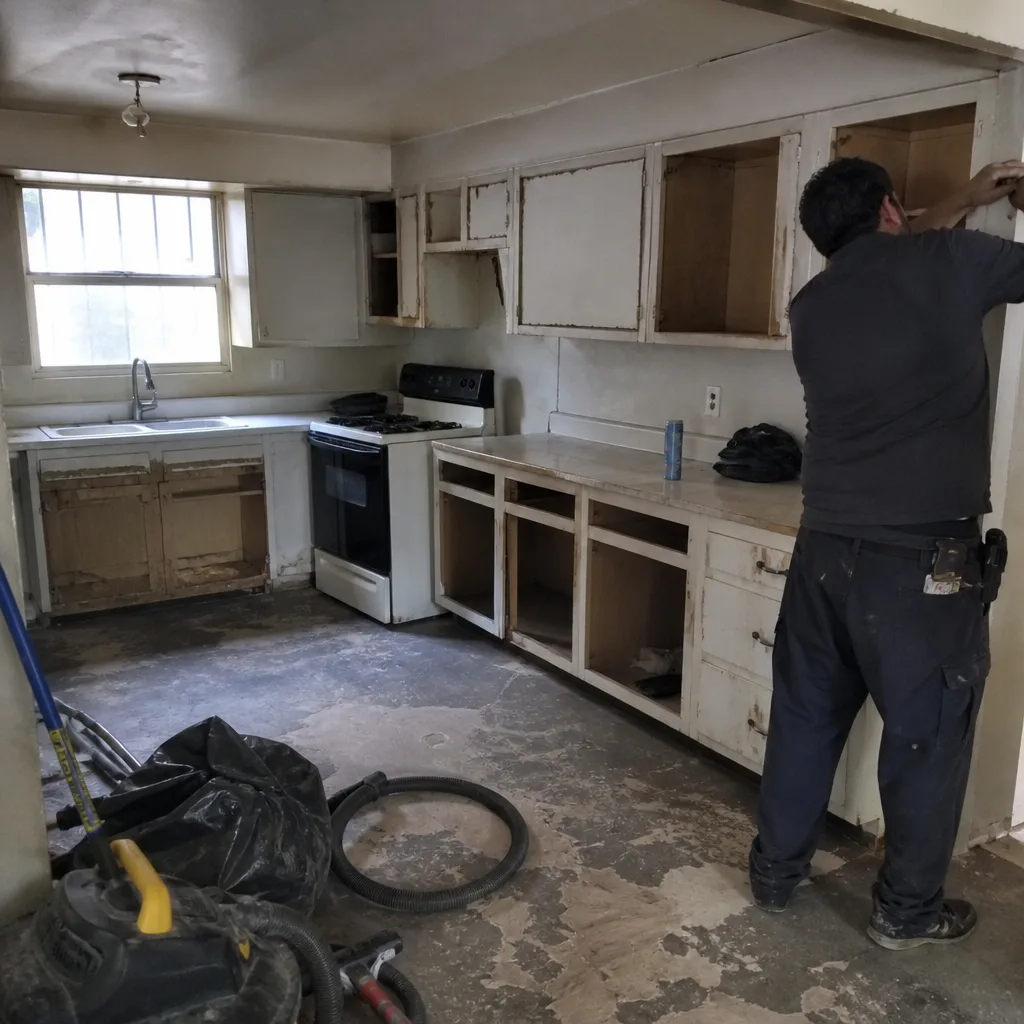 Before
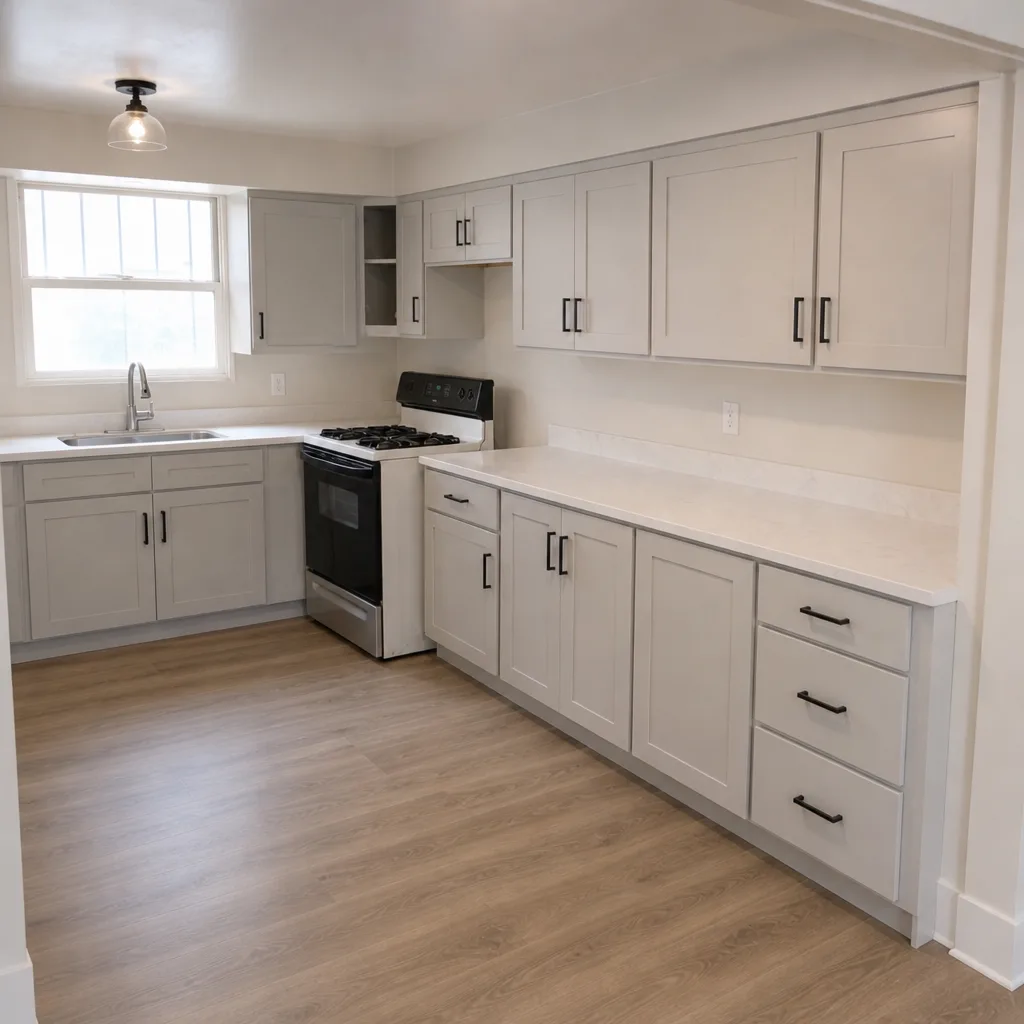 After