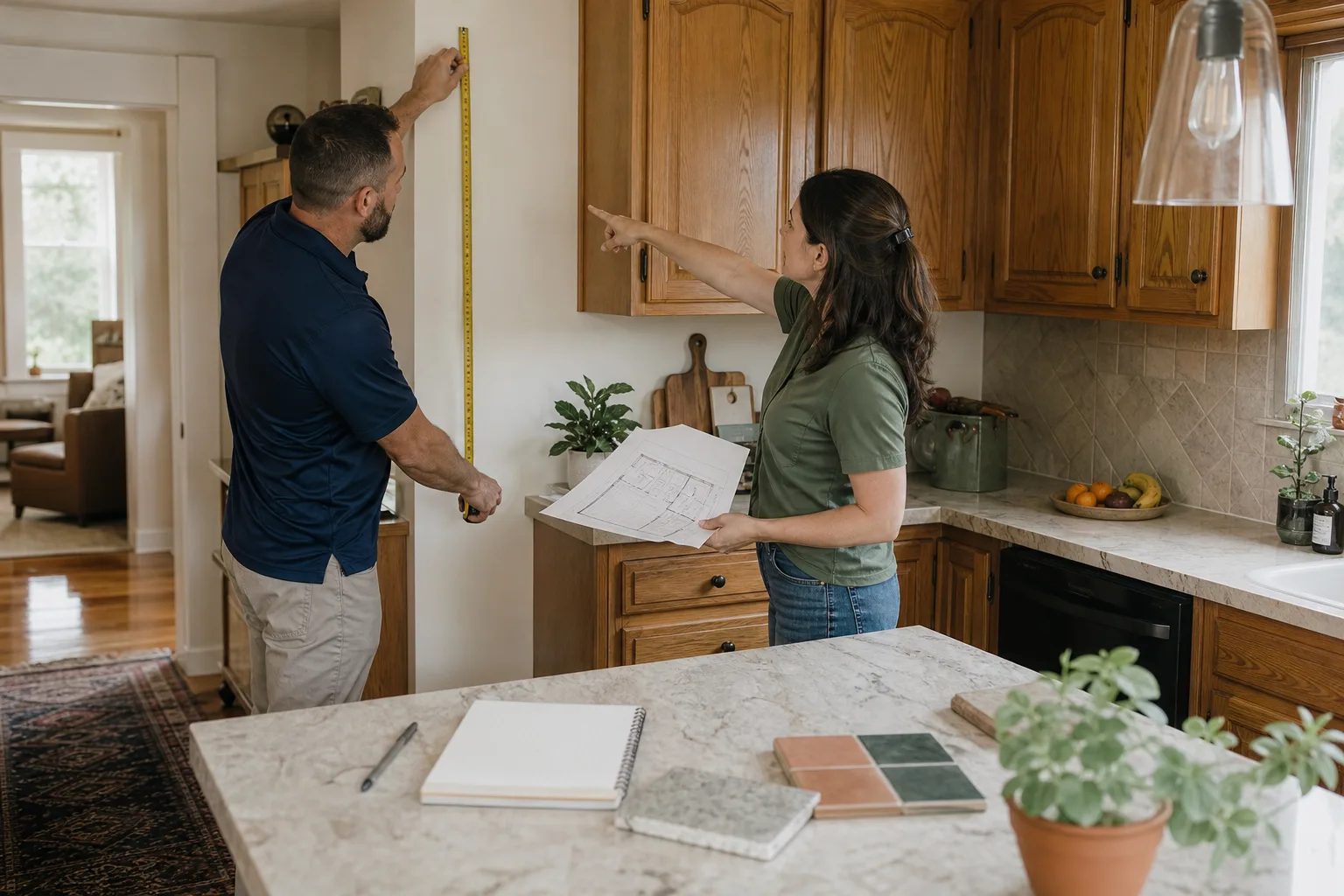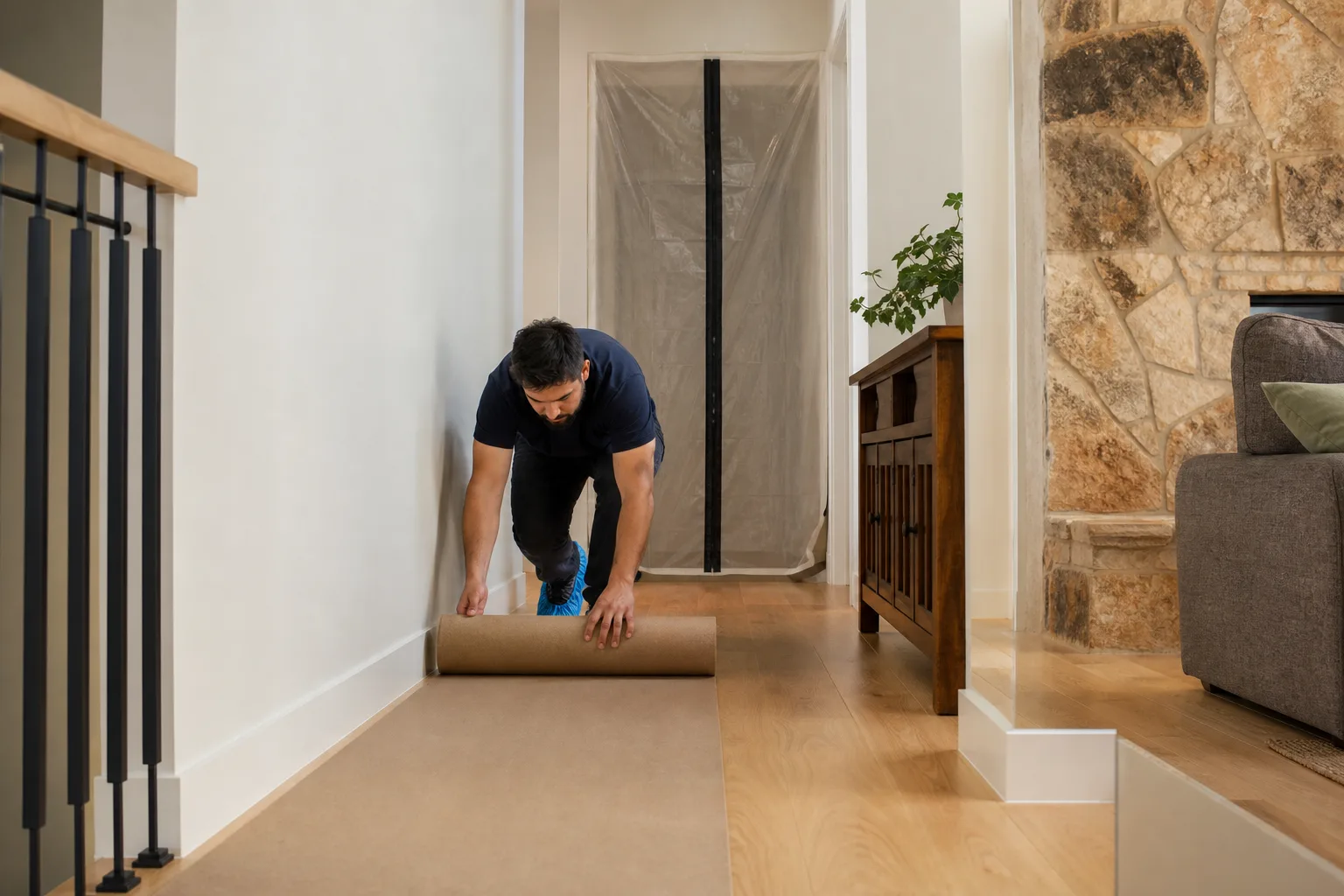
Free written scope consultation - allowances, timeline, and change-order rules on paper before a single trade is scheduled
Styles & brands we work with
- Kitchen remodeling
- Bathroom remodeling
- Home additions & ADU
- Roofing
- Windows & doors
- Driveway & pavers
- Fence
See the difference
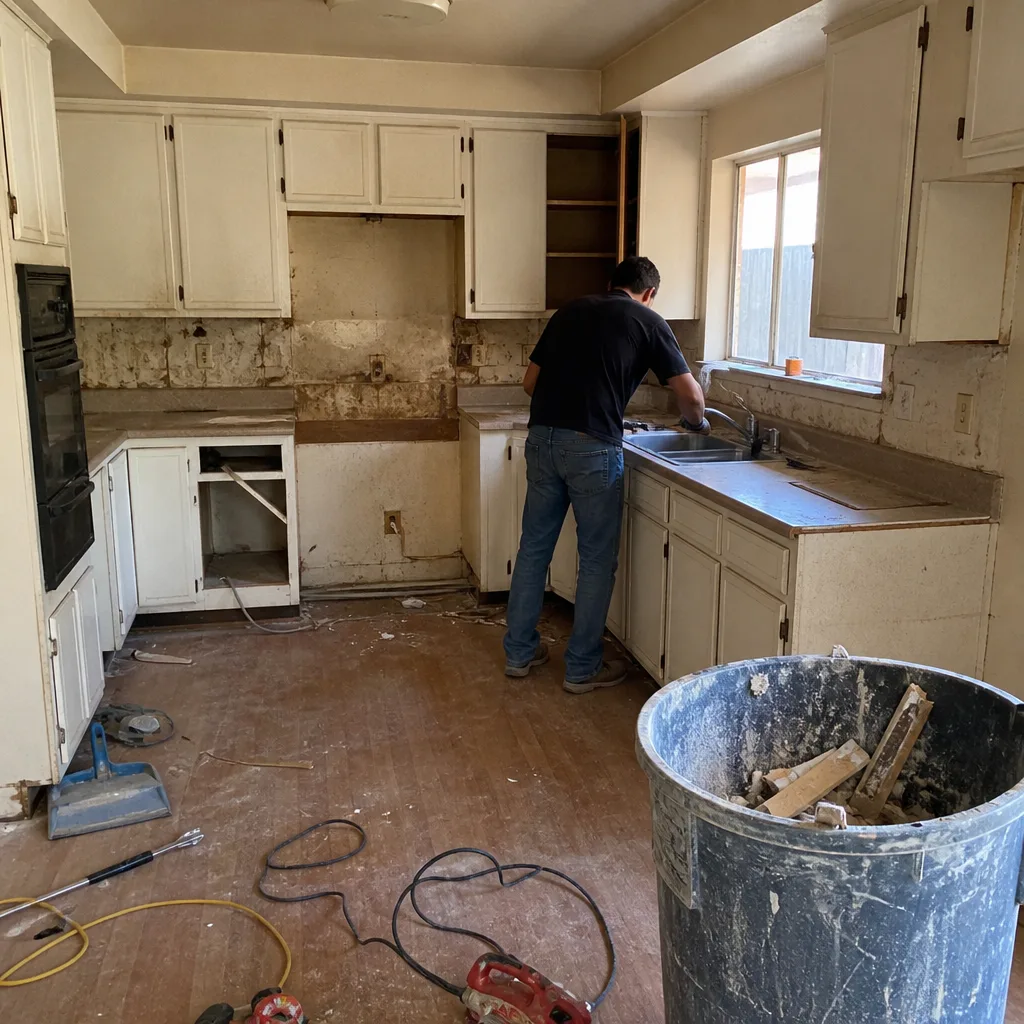 Before
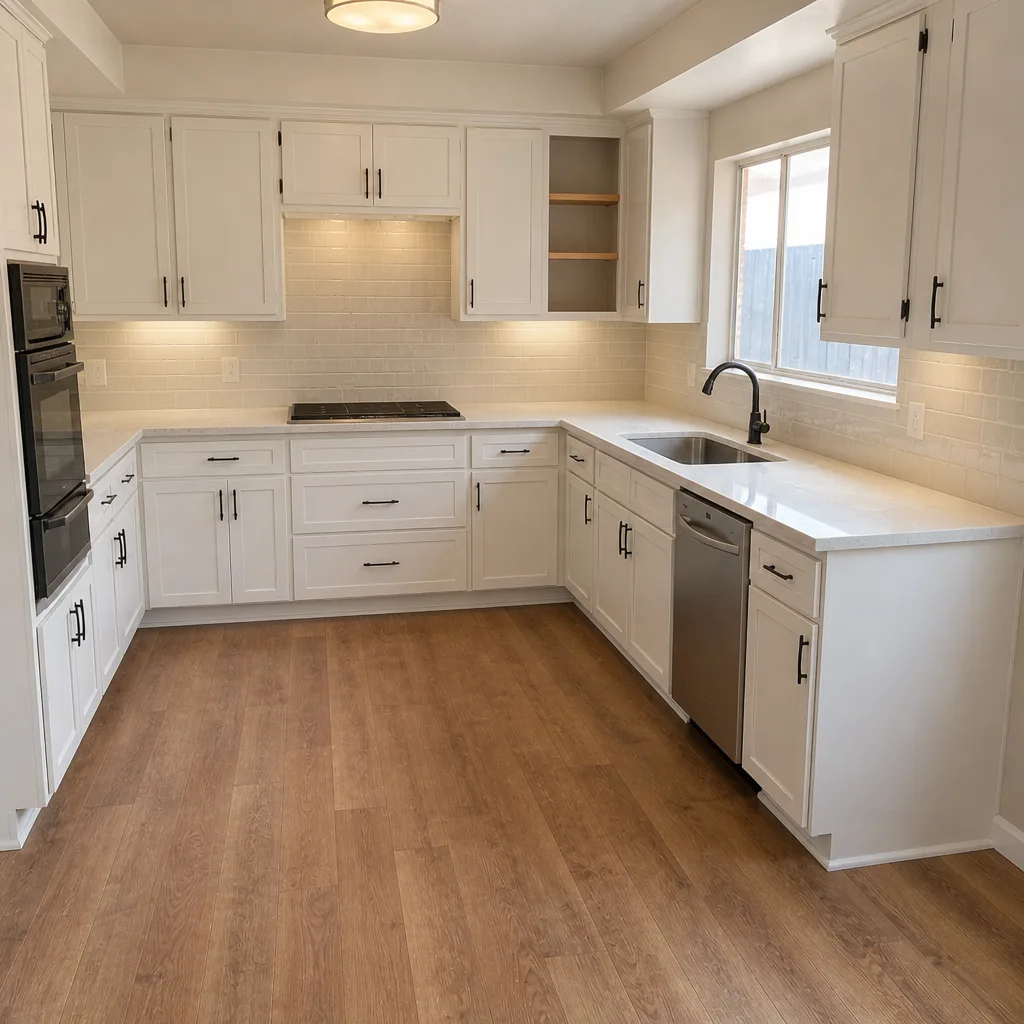 After
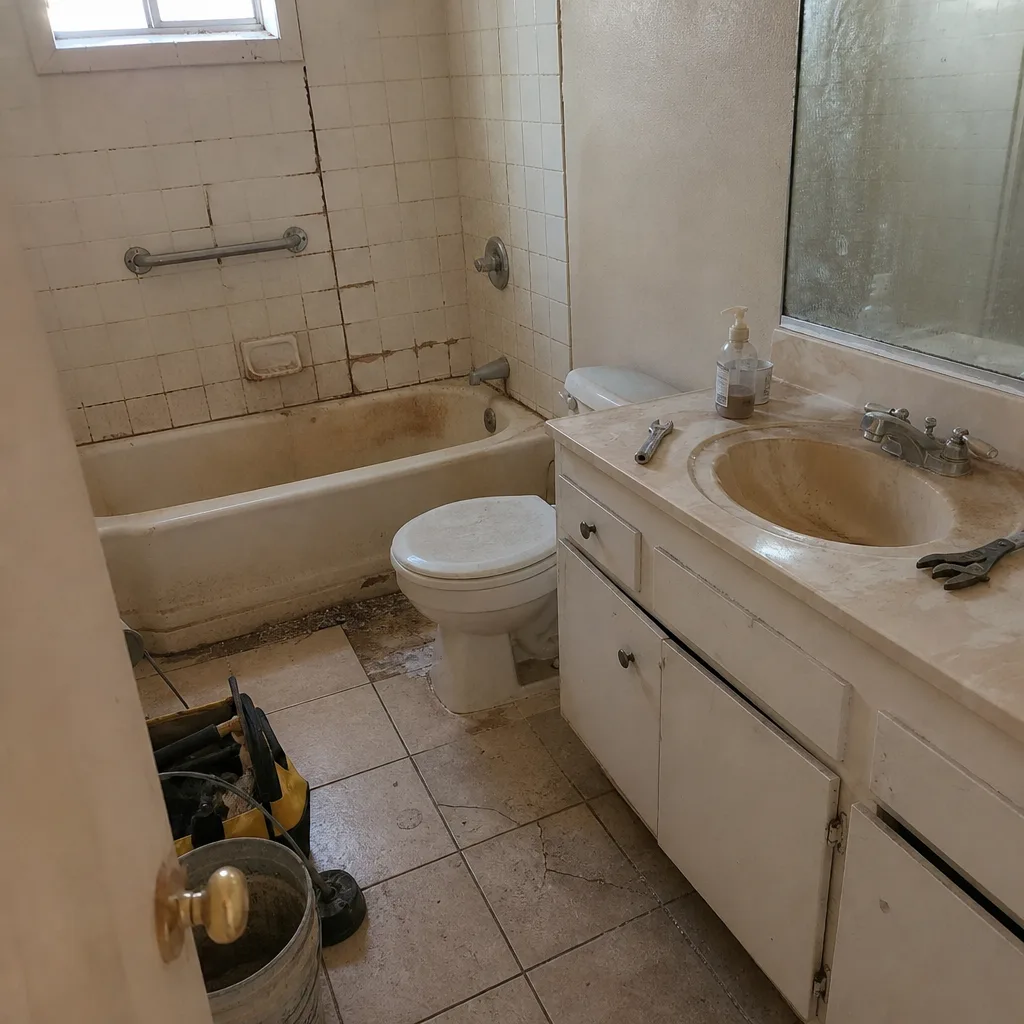 Before
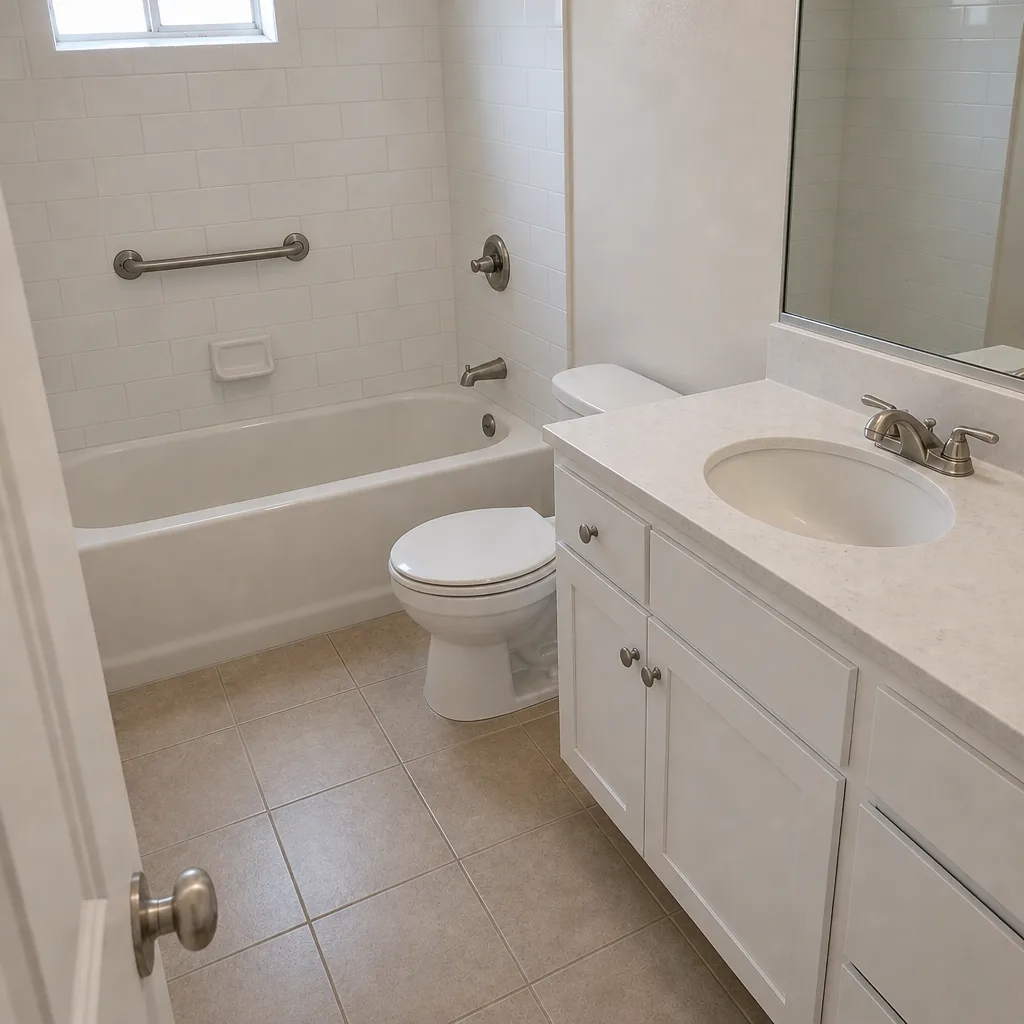 After
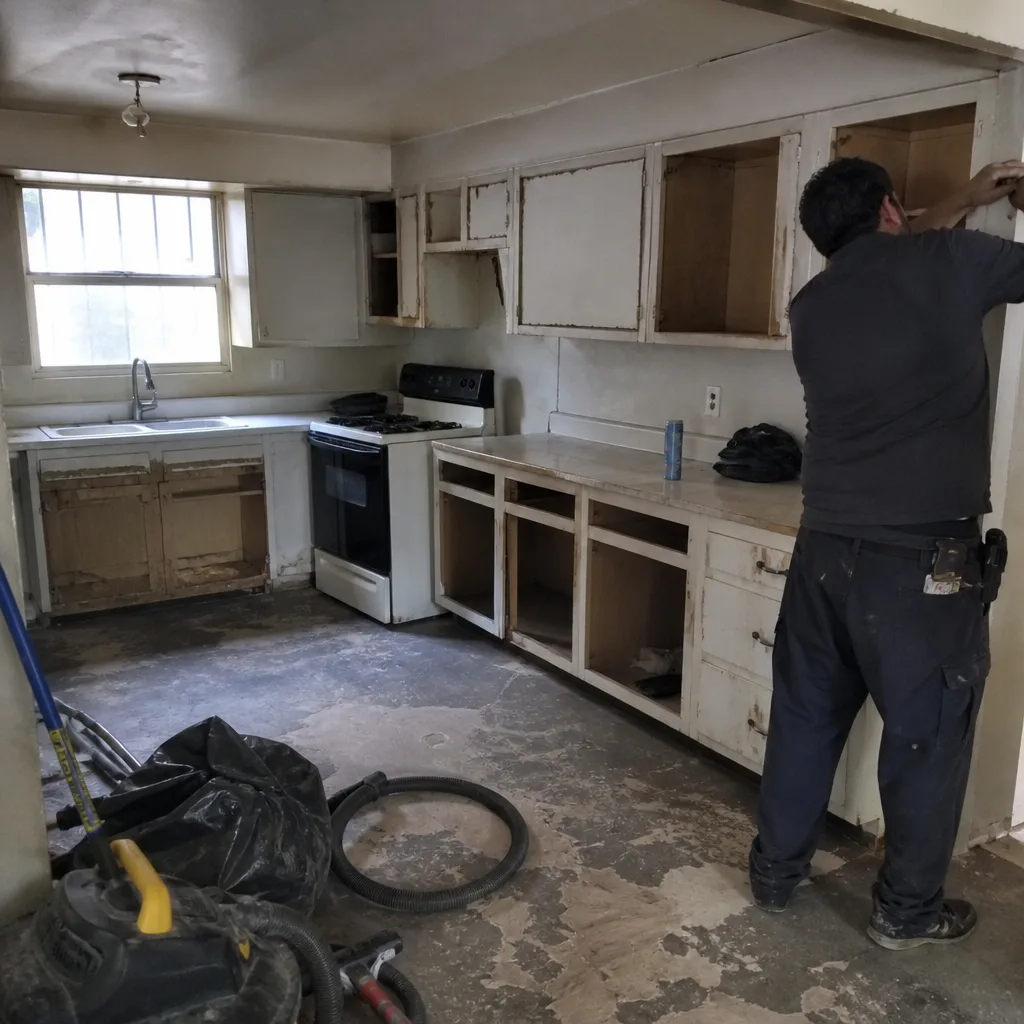 Before
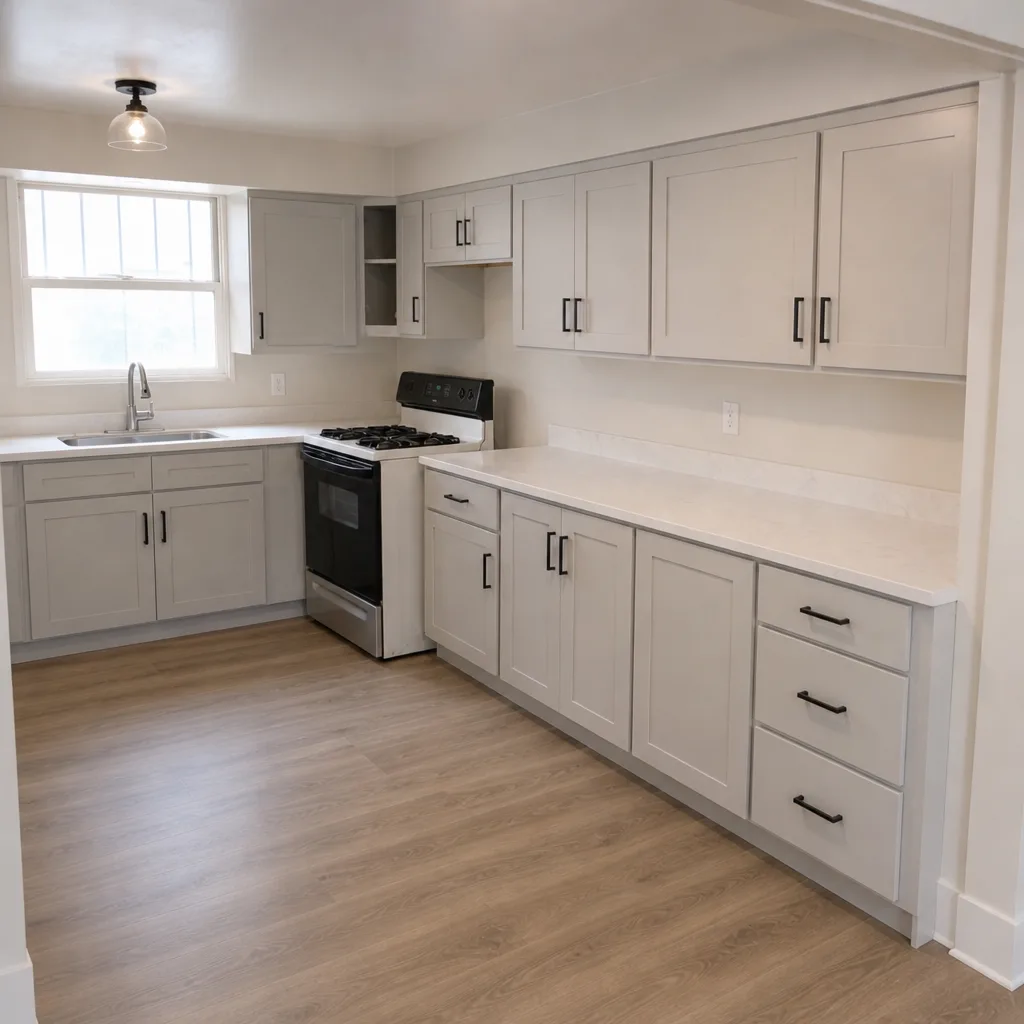 After
Tile vs Vinyl Plank Kitchen Flooring in Spring Valley, NV: Which Should You Choose?
Choose luxury vinyl plank unless you’re set on the look and permanence of tile and willing to pay for a proper uncoupling system underneath it. In Spring Valley’s desert climate, that’s the honest bottom line. Concrete slabs here swing hard between a cold February night and a 110°F July afternoon, and the expansive clay soils under southwest valley homes move just enough to telegraph into tile grout lines over the years. Vinyl plank, installed floating with the right expansion gap, absorbs that movement without cracking. Tile lasts longer and handles water better, but only if it’s built to flex. Call (844) 320-4882 and we’ll put a written price for both on paper before anyone lifts a pry bar.
Key Takeaways
- Vinyl plank wins on comfort, cost, and crack resistance in Spring Valley’s slab-and-clay conditions.
- Tile wins on longevity, resale perception, and water tolerance near sinks and dishwashers.
- Tile only holds up here when it’s set over an uncoupling membrane – not thinset straight to slab.
- First-floor townhomes in Rhodes Ranch and similar communities may need HOA underlayment approval before a floating floor goes down.
- Full kitchen remodels in Spring Valley run $14,000-$45,000; flooring is one line inside that number.
Why Spring Valley Slabs Are Hard on Kitchen Floors
Spring Valley is an unincorporated Clark County township, not a city, so construction here runs through Clark County Building & Fire Prevention permits and county inspections rather than a municipal building department. Most of the housing went up in the 1990s and 2000s master-planned subdivisions – Rhodes Ranch, the Spanish Trail area, and the older ranch stock toward the eastern edges – during the Las Vegas Valley boom. That timing matters for a kitchen floor. The original tile in a 1990s tract kitchen is now 25 to 35 years old, and it’s sitting on a slab that has been expanding and contracting through thousands of desert temperature cycles.
Underneath it all is expansive clay soil, common across the southwest valley. Clay takes on water during monsoon season and gives it back through the dry months, and that cycle flexes the slab in tiny increments. You don’t see the movement. You see its result: hairline cracks running out from the corners of a grout line, then grout that crumbles when you drag a chair across it. We’ve pulled enough of these floors in Spring Valley to know the tile itself is usually fine. It’s the rigid grout and the rigid bond to the slab that fail first.
How Do You Decide Between Tile and Vinyl Plank?
Start with the substrate and the room’s real use, not the showroom sample. Here’s the decision framework we walk families through.
- Is the slab flat and stable? Vinyl plank tolerates a small amount of substrate imperfection. Tile does not – a hollow spot under a tile will crack it. We check flatness before recommending either.
- How much water hits the floor? Near a sink, dishwasher, or the path kids take with a dripping cup, tile and its waterproof grout lines are more forgiving. Vinyl plank is water-resistant, not waterproof at the seams unless it’s a glued or fully sealed product.
- Do you have young children or pets? A dropped cast-iron pan dents vinyl. A dropped glass on tile shatters. Thicker LVP cores stay warmer under bare feet in winter, which matters at 6 a.m. on a tile floor that sat cold all night.
- What’s the sound situation? Floating floors transmit impact noise downstairs. If you’re in a first-floor townhome, check your HOA architectural rules before you buy material.
- How long will you stay? Tile is a 20-to-30-year floor when it’s installed correctly. Vinyl plank is a 10-to-20-year floor. If you’re selling in three years, that math changes.
If you’re weighing a bigger change while you’re at it, our guide to Kitchen Remodeling covers how flooring decisions connect to cabinets, counters, and layout.
How Does Desert Heat Change the Comparison?
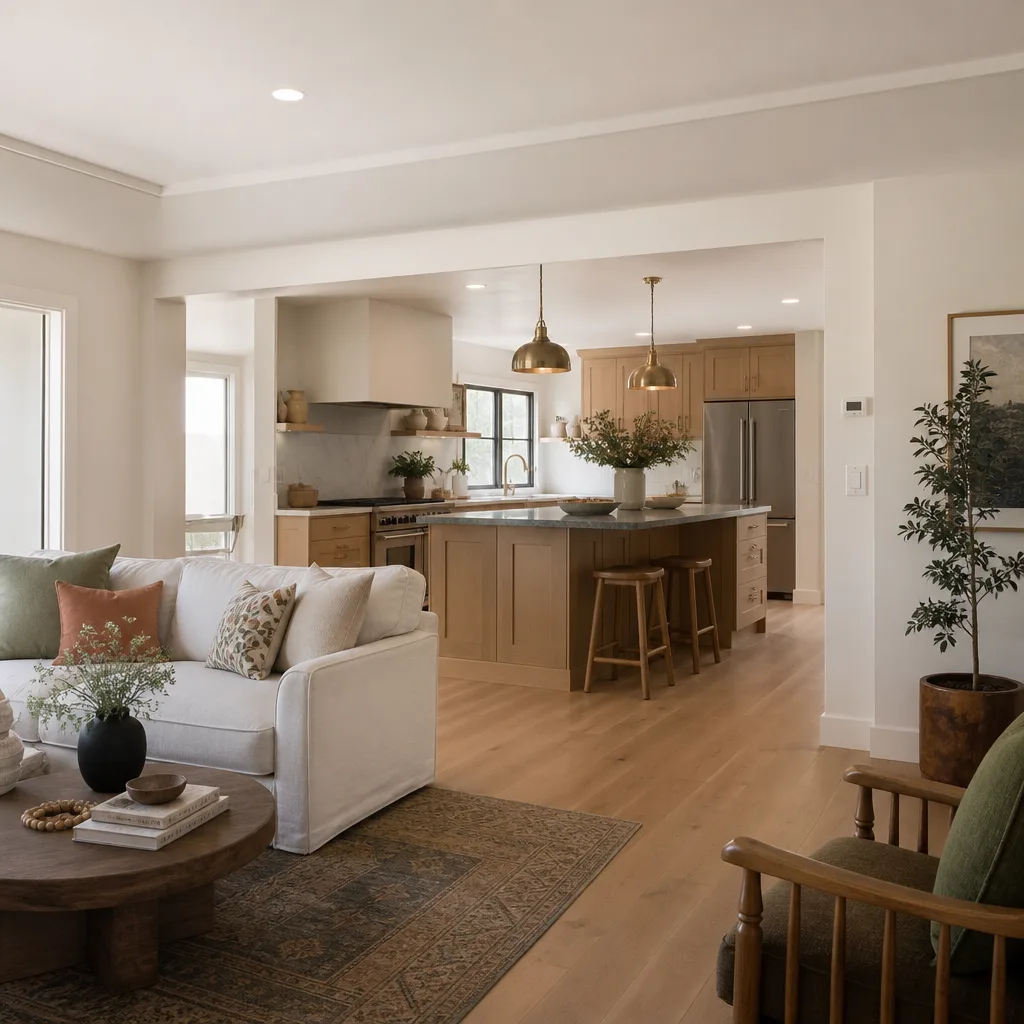
More than most homeowners expect. An unglazed porcelain tile in a south-facing Spring Valley kitchen can climb past 90°F on the surface in July – the slab heat transfers straight through because tile has almost no insulating value. Walk across it barefoot at 3 p.m. and you’ll feel it. A luxury vinyl plank with a thicker core insulates you from that slab, so the floor stays closer to room temperature. Families with toddlers who spend half their day on the kitchen floor notice this immediately.
UV is the other factor. Spring Valley’s intense sunlight fades cheap vinyl fast, especially near a slider or a wall of west-facing windows. We specify LVP with a UV-cured wear layer and recommend area rugs or window film in the brightest spots. Tile shrugs off UV entirely – one point in its column.
What Makes a Tile Floor Last 20 Years Here?
The layer under the tile. This is where most budget tile jobs in Spring Valley fall apart, and it’s the single thing that separates a floor that lasts from one that needs re-grouting in five years.
When tile is the choice, we set it over a Schluter uncoupling membrane – either Ditra or a comparable system – rather than bonding tile directly to the slab. The membrane decouples the tile from the slab’s lateral movement, so when the clay flexes, the tile doesn’t. We also use Schluter edge profiles at the transitions to the adjoining rooms, which eliminates the cracked, chipped grout edge that shows up at every doorway on a floor installed without them. Those two details cost more upfront and save a re-grout later. Our kitchen remodeling in Spring Valley projects follow the same standard whether it’s a $9,000 small kitchen refresh or a $45,000 full gut.
Can You Put Vinyl Plank in a Spring Valley Townhome?
Check your HOA first. This is the trap almost nobody warns you about. A Clark County permit won’t flag it, but an HOA architectural review will. Communities like Rhodes Ranch typically have sound-transmission rules for shared walls and floors, and some require a specific underlayment rating – often an Impact Insulation Class (IIC) threshold – before a floating floor is approved on any floor above grade or adjacent to a shared wall. We’ve seen installations paused mid-job because the homeowner didn’t submit the spec sheet first.
So we ask two questions before we order material: is this a first-floor unit, and does the HOA have a flooring addendum? If it does, we pull the underlayment spec that meets the requirement and submit it for you. That’s part of asking before we move or touch anything – the same reason we put down drop cloths and shoe covers on every visit and take a photo of the clean-up before the crew leaves.
What Does Each Option Cost in Spring Valley?
Flooring is one line inside your overall kitchen budget. Full kitchen remodels in Spring Valley run $14,000-$45,000, with small kitchen remodels at $9,000-$20,000. Here’s how the flooring options compare as line items:
| Option | Installed Cost Per Sq Ft | Typical Lifespan | Best For |
|---|---|---|---|
| Luxury vinyl plank (floating, quality core) | $4-$8 | 10-20 years | Comfort, budget, families with young kids |
| Porcelain tile over uncoupling membrane | $9-$16 | 20-30+ years | Water resistance, resale, long-term hold |
| Ceramic tile, standard install | $7-$12 | 15-25 years | Lower upfront cost, moderate wear |
Those lines sit alongside related kitchen line items we quote regularly: cabinet installation at $4,000-$13,000, countertop installation at $2,000-$6,500, a backsplash at $800-$2,500, and a kitchen island at $3,000-$10,000. Cabinets from KraftMaid and Wellborn, countertops from Cambria, Silestone, and Caesarstone, and fixtures from Kohler, Moen, and Grohe all carry manufacturer warranties that travel with the finished project. For a broader look at how those numbers stack, see Kitchen Remodeling in Spring Valley.
Tile and vinyl plank carry different labor-hour estimates, and both numbers go on paper before demo starts. That’s the written-price commitment: you see the real figures for each option, not a ballpark range, and you decide with your eyes open.
FAQs
Vinyl plank is the better default for most Spring Valley kitchens because it absorbs the slab movement that cracks tile grout and stays warmer underfoot in a climate with wide temperature swings. Choose tile if you want a 20-to-30-year floor and are willing to pay for an uncoupling membrane underneath, which is what keeps it from failing.
Installed, luxury vinyl plank runs about $4-$8 per square foot and porcelain tile over an uncoupling membrane runs about $9-$16 per square foot in Spring Valley. A typical 200-square-foot kitchen lands at roughly $800-$1,600 for vinyl plank or $1,800-$3,200 for properly installed tile. Call (844) 320-4882 for an exact quote – the written price is given before any work starts.
Grout cracks because the concrete slab underneath flexes with expansive clay soil and seasonal temperature swings, and rigid tile bonded directly to that slab has nowhere to move. An uncoupling membrane like the Schluter systems we install gives the tile a separate layer so the slab can move independently without telegraphing cracks up through the grout.
Sometimes, but you need to confirm the existing tile is well-bonded, flat, and free of loose or hollow tiles first, and the added height can interfere with door clearances and thresholds. We check substrate flatness and the transition heights before recommending a floating install, so you don’t end up with a floor that rocks or a door that won’t close.
Getting a Straight Answer for Your Kitchen
Every Spring Valley home has its own slab conditions, its own HOA rules, and its own family habits on the kitchen floor. What works in one Rhodes Ranch townhome won’t be the right call in a Spanish Trail ranch. If you’d rather have it looked at, Elmstead Remodeling Spring Valley offers a no-pressure assessment in Spring Valley – call (844) 320-4882 for a free estimate.
Written by the team at Elmstead Remodeling Spring Valley, serving Spring Valley, NV.