
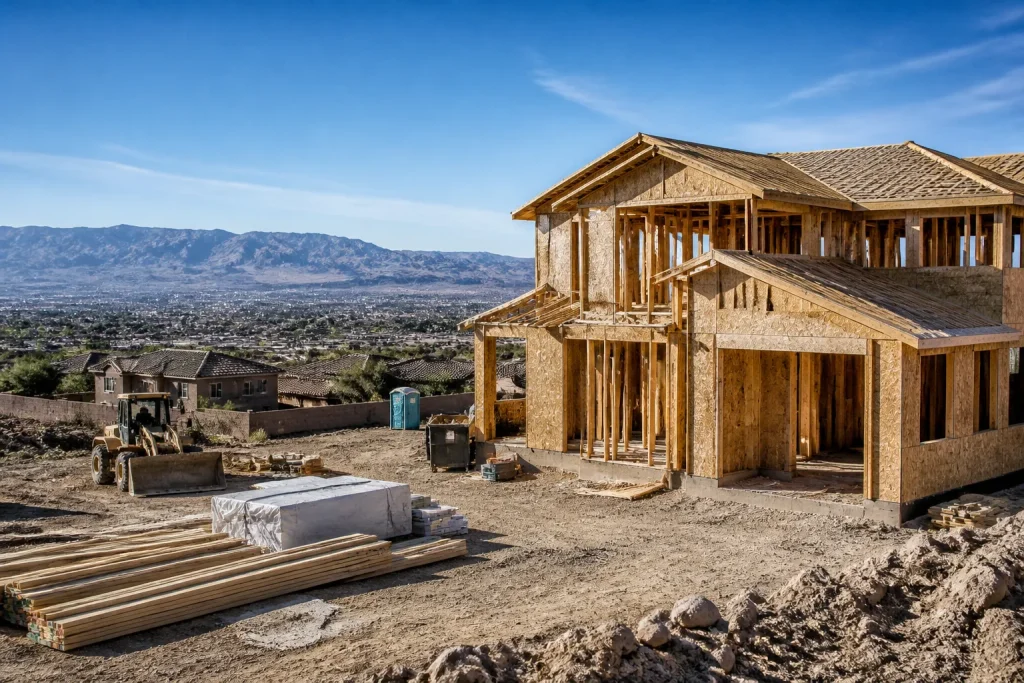
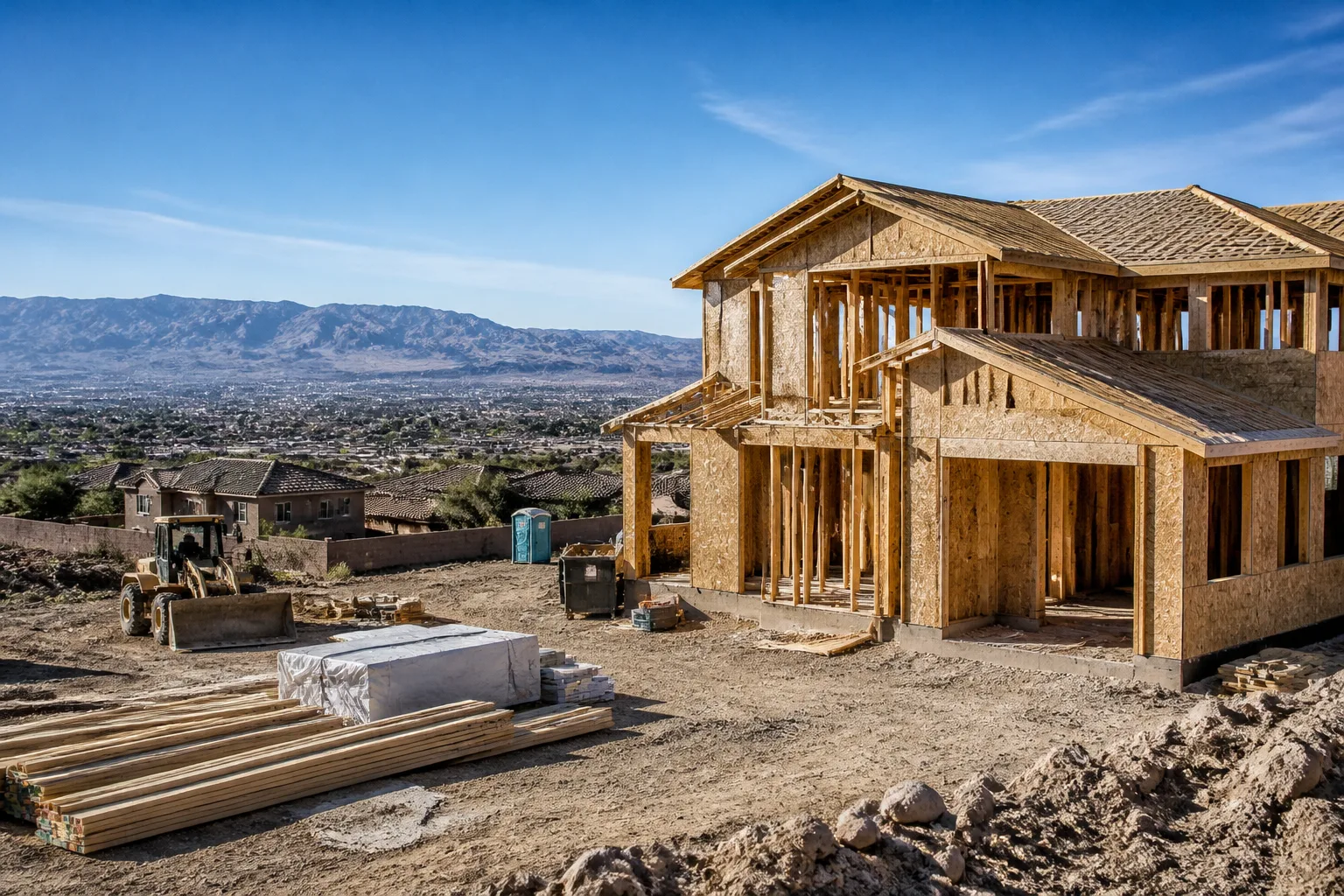
PGT General Contractor in Spring Valley: A Homeowner’s Guide
Most Spring Valley homeowners shopping for PGT windows end up comparing the wrong number. They ask whether the window is impact-rated, when the figure that actually decides their summer power bill is the solar heat gain coefficient – SHGC – printed in the corner of the spec sheet. PGT builds a strong product. But the glass package, the frame system, and the airtightness of the install decide whether that product performs in Spring Valley’s sun and dust. Here’s how to read the paperwork before you sign.
If sorting through series names, coating codes, and rough-opening math sounds like a weekend you’d rather not spend, call (844) 320-4882 and we’ll walk you through a free written estimate instead.
Key Takeaways
- PGT’s residential lines are built for different jobs: Eze-Breeze for porch enclosures, WinGuard for impact zones, Montecito for standard residential openings.
- Spring Valley’s real enemy is solar heat gain and blowing dust, which means low-e coatings and thermally broken frames matter more than impact resistance for most homes here.
- A window’s energy rating only holds up if the install is air-sealed, flashed, and level – those are contractor variables, not product variables.
- A written spec should name the series, glass package code, frame color, grille pattern, and confirmed rough-opening dimensions before anything is ordered.
Which PGT line actually fits a Spring Valley home?

PGT’s residential catalog splits into three families, and Spring Valley homes usually land in one of them depending on the opening.
- Eze-Breeze is a flexible vinyl panel system built for covered porches and three-season rooms. It’s not a replacement window in the conventional sense, and it shouldn’t be sold as one. If a contractor quotes Eze-Breeze for a bedroom, ask why.
- WinGuard is PGT’s impact-resistant line, engineered to hold up to windborne debris. It’s the right answer in coastal Florida. In Spring Valley, roughly 2,000 feet above sea level and well inland, most homes don’t need impact glass – and paying for it means paying a premium for a feature that doesn’t solve the problem this climate actually creates.
- Montecito is PGT’s standard residential line, and it’s the one most Spring Valley replacements should be priced against. It accepts the low-e glass packages that cut heat gain and comes in frame colors and configurations that match desert-suburb architecture.
What Spring Valley homes need is heat control and dust exclusion, not debris protection. That shifts the conversation from impact ratings to glass coatings and frame thermal breaks – a different product at a different price point. Knowing which family you’re being quoted keeps the comparison honest.
What does a low-e coating actually do in a west-facing Spring Valley window?
A low-e coating reflects a portion of the sun’s infrared energy back outside instead of letting it pass through the glass as heat. In a west-facing window on a July afternoon in Spring Valley, that’s the difference between a room that stays tolerable and one where the air conditioner runs from 1 p.m. to sundown. It’s a real, measurable effect.
What it doesn’t do is stop visible light (so it won’t darken a room the way tinting does), block heat that’s already inside the house, or fix a poorly sealed frame. A premium low-e package behind a leaky rough opening still loses. And the coating’s benefit varies by orientation: an east-facing window gains heat in the morning, a west-facing one in the afternoon, and a north-facing one barely at all. A contractor who specs the same glass package on all four sides hasn’t thought about your house.
Here’s where to find the number. On a PGT product spec sheet, look for SHGC (solar heat gain coefficient) and U-factor. SHGC runs from 0 to 1; lower means less solar heat admitted. U-factor measures how fast heat conducts through the assembly, and lower is better there too. Ask for those two figures in writing for each orientation of your project. If a salesperson can’t produce them, that’s your answer about how carefully the job will be specified.
Why installation quality changes window performance more than the rating label

A window’s NFRC rating is established in a lab under fixed conditions. Your Spring Valley house is not a lab. Three contractor-controlled steps decide whether the rated performance survives contact with a real wall:
- Air sealing. The gap between window frame and rough opening must be foamed and caulked correctly, and in this climate, dust finds every pinhole. An unsealed 1/8-inch gap lets in fine desert dust all spring and leaks conditioned air year-round.
- Flashing. Water intrusion around a window is a flashing failure, not a window failure. Getting the head flashing and sill pan right is what keeps monsoon rain out of the wall cavity.
- Frame leveling and shimming. A frame that’s racked out of square binds the sash, breaks the weather seal, and voids the manufacturer’s warranty on the unit. We’ve pulled windows in Spring Valley where the sash never closed flush because nobody checked level before the trim went on.
This is the part competitors skip: the window product is roughly half the performance equation. The other half is the crew in your house on install day. That’s why we photograph every rough opening before the new unit goes in – the photo is proof of what was there and what we sealed.
What should a written PGT window specification include?
A written spec is the piece of paper that prevents a wrong window from arriving in your driveway six weeks later. Ours includes, at minimum:
- Series name – Eze-Breeze, WinGuard, or Montecito, spelled out, not just “PGT.”
- Glass package code – the exact low-e and SHGC/U-factor figures for each orientation.
- Frame color – by name and code, since desert palettes have a lot of near-neighbors.
- Grille pattern – colonial, prairie, no grille, and the spacing if there is one.
- Rough opening dimensions – measured on site and confirmed in writing, not estimated from the old window’s visible size.
That last item is where jobs go sideways. A rough opening measured wrong means a custom order that’s wrong, and custom windows can’t be returned. Confirming the dimensions before the order is placed costs nothing. Fixing a misordered unit costs weeks and real money. Every project we take on gets a written price before any work starts – and that price includes the specification, so you’re signing a description of the window, not a brand name and a hope.
How a documented install protects your PGT warranty
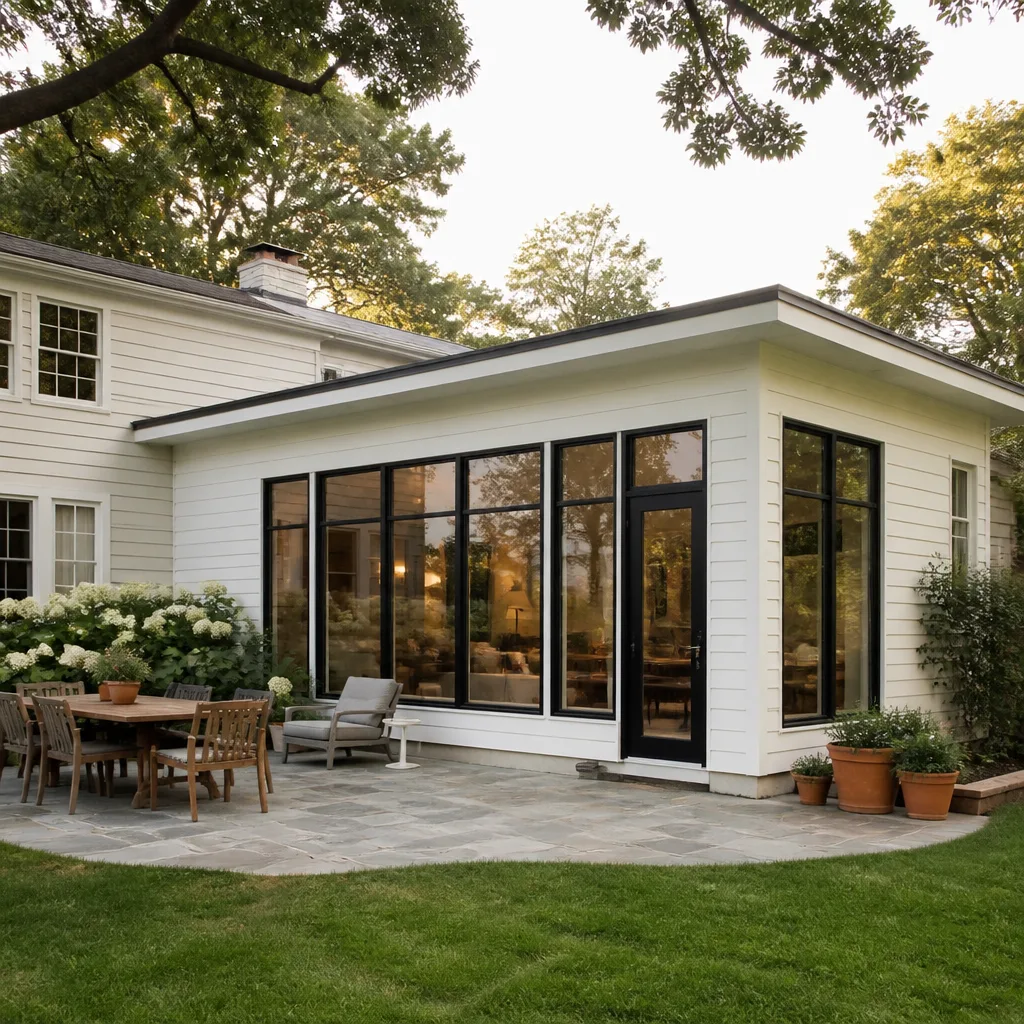
PGT’s manufacturer warranty travels with the product, and it’s part of why the brand is worth paying for. But warranty coverage depends on the unit being installed to the manufacturer’s instructions, and nobody in Spring Valley honors a claim years later if the install records don’t exist.
Our process documents three things on every PGT installation: pre-installation photos of each rough opening, a verification step confirming the air seal is complete before trim goes on, and a record of the product serial numbers from each unit so the warranty registration is accurate and can be pulled up if it’s ever needed. Those photos and serials are kept with the project file.
The Cedarwell Care Promise covers the rest of the job: drop cloths on the floors and shoe covers at the door, a written price before any work begins, quiet tools during children’s rest hours where the schedule allows, pet-safe product choices where there’s a choice, and a photo of the clean-up before the crew leaves. Windows go in fast, but they still take a house apart for a day or two – the protection matters.
If you’re weighing a window project against a larger one, our guide to the work of a general contractor in Spring Valley shows where windows sit in a whole-home scope. A window replacement often pairs with bathroom remodeling in Spring Valley when both rooms share exterior walls and the same glass upgrade.
When to call a pro on a window or door project
Glass replacement in a sash is a reasonable DIY job. A full rough-opening replacement is not – the moment the old frame comes out, the structural opening, flashing, and air barrier are exposed, and if the house is open and the detail isn’t right, the next rain finds it. That’s the line. If the project moves a window or door location, changes the rough opening, or involves a wall opening on a second story, call a licensed contractor. We also continue that work into kitchen remodeling in Spring Valley when a window wall or slider is part of the scope.
When you’re ready to price the job, you can start from our Elmstead Remodeling Spring Valley home page to see how we work.
The Bottom Line
Choose the PGT line to match the opening – Montecito for standard residential replacements, WinGuard only where impact glass actually earns its premium, Eze-Breeze for enclosures. Then push the conversation toward what Spring Valley really needs: a low-e package with the SHGC figures written down, thermally broken frames, and an installer who air-seals and flashes the rough opening like the rating depends on it, because it does. Insist that the series name, glass package code, frame color, grille pattern, and measured rough-opening dimensions all appear on the contract before the order goes in. Our technicians have up to 21 years of experience with installations like these, and every completed project carries the 365-Day Done Right Promise: if it isn’t done right, we make it right.
If you’re in Spring Valley and need help sizing up a window project, Elmstead Remodeling Spring Valley offers free estimates – call (844) 320-4882.
Frequently Asked Questions
Do I need impact windows in Spring Valley?
Usually not. Spring Valley sits inland and above sea level, so windborne debris risk is low compared to coastal areas. Most homes here benefit more from low-e glass and thermally broken frames that cut solar heat gain and dust infiltration – different products at lower price points than WinGuard.
What SHGC number should I look for in Spring Valley?
Lower SHGC means less solar heat admitted. West-facing windows benefit most from the lowest figure you can get, and north-facing ones need it least, so the right number depends on orientation. Ask for the SHGC and U-factor on paper for every orientation in your project before signing – call (844) 320-4882 for a free written quote.
Does a PGT window warranty cover a bad installation?
The manufacturer’s warranty covers the product; installation problems are a separate issue that usually falls on the installer. That’s why we photograph rough openings, verify air seals, and record product serials on every install so a warranty claim can be supported with a clean paper trail.
Can you tell me exactly which window I’ll get before I order?
Yes, and you should insist on it. A written spec should name the series, glass package code, frame color, grille pattern, and confirmed rough-opening dimensions, with a fixed written price before any work starts. Call (844) 320-4882 to schedule your free estimate.
Written by the team at Elmstead Remodeling Spring Valley.
Need Construction Help?
Call Elmstead Remodeling Spring Valley - licensed & insured, here with fast after-hours help in Spring Valley.
(844) 320-4882