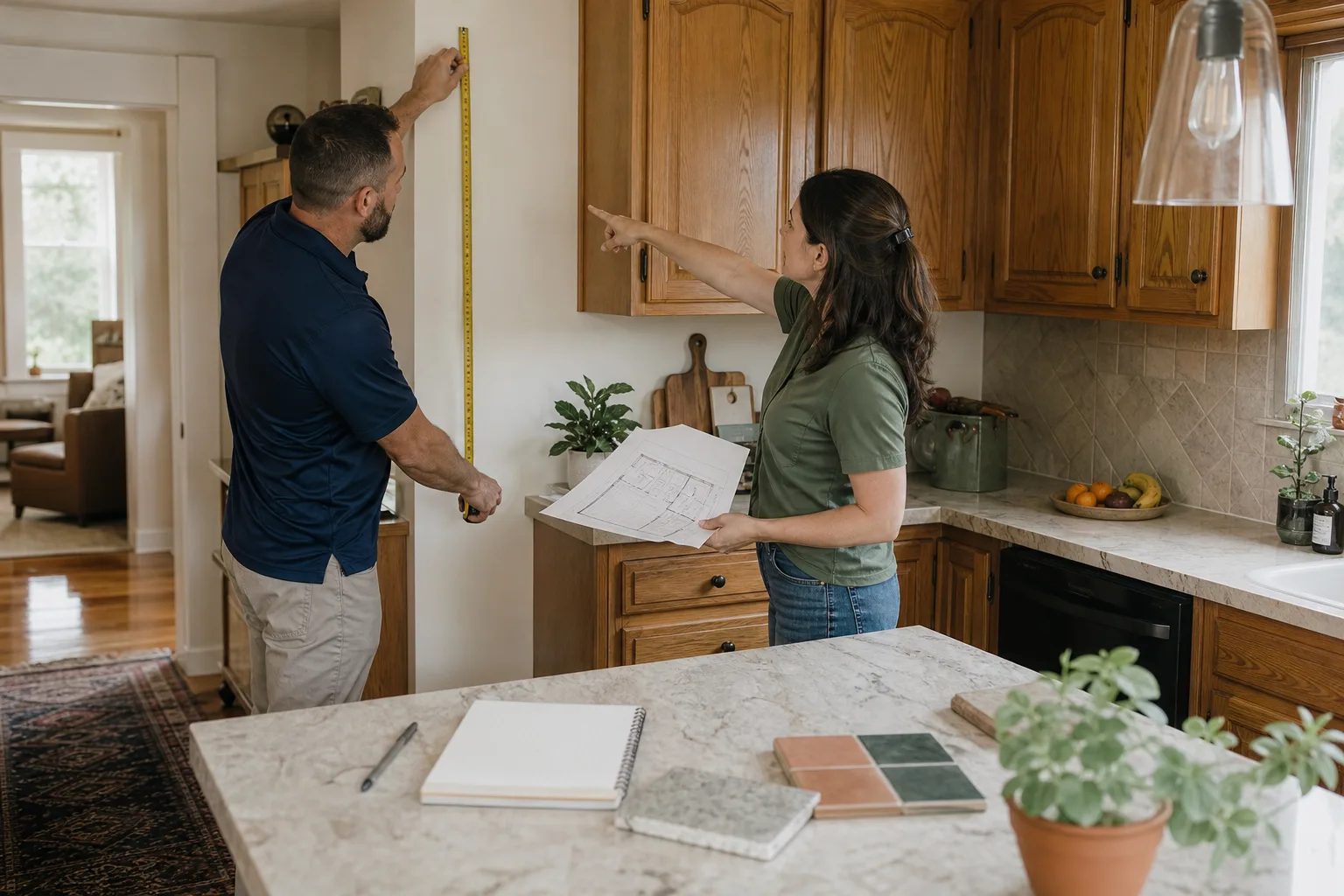







Free written scope consultation - allowances, timeline, and change-order rules on paper before a single trade is scheduled
Styles & brands we work with
- Kitchen remodeling
- Bathroom remodeling
- Home additions & ADU
- Roofing
- Windows & doors
- Driveway & pavers
- Fence
See the difference
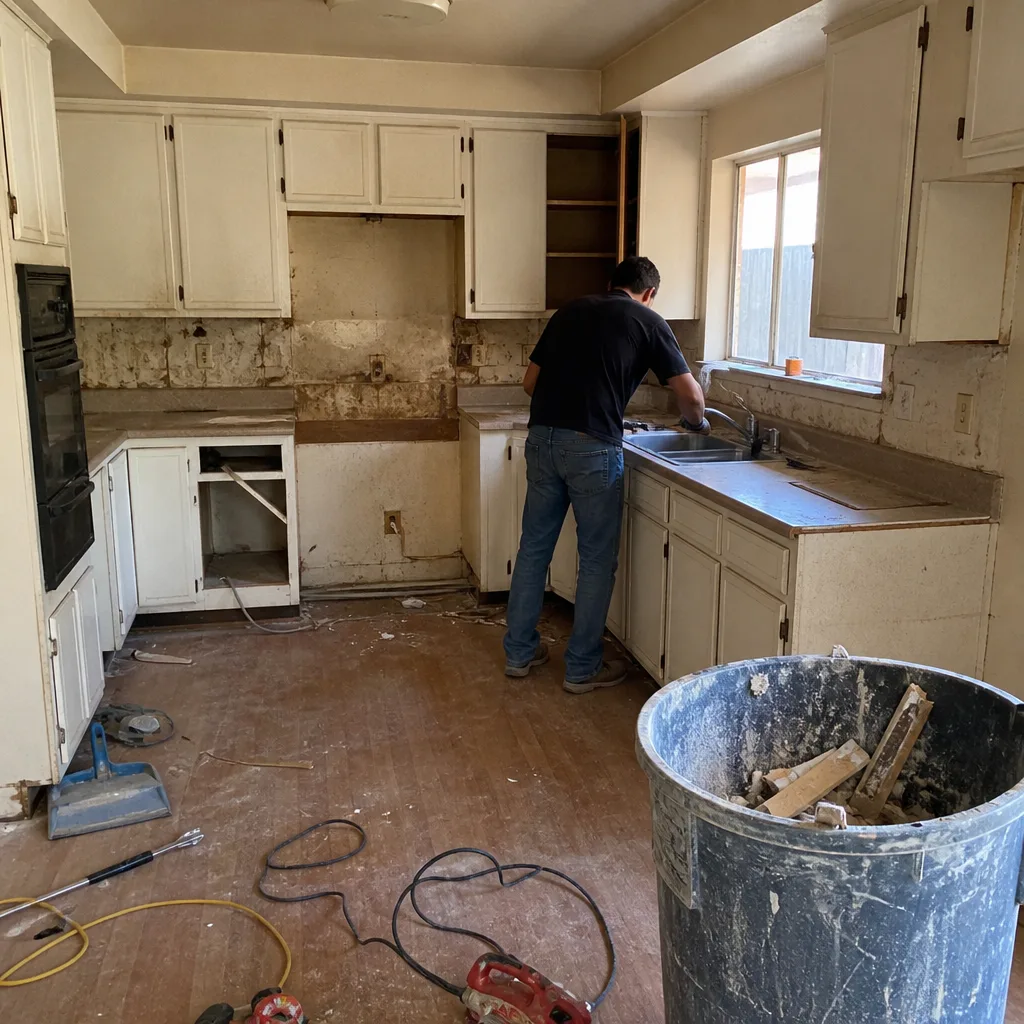 Before
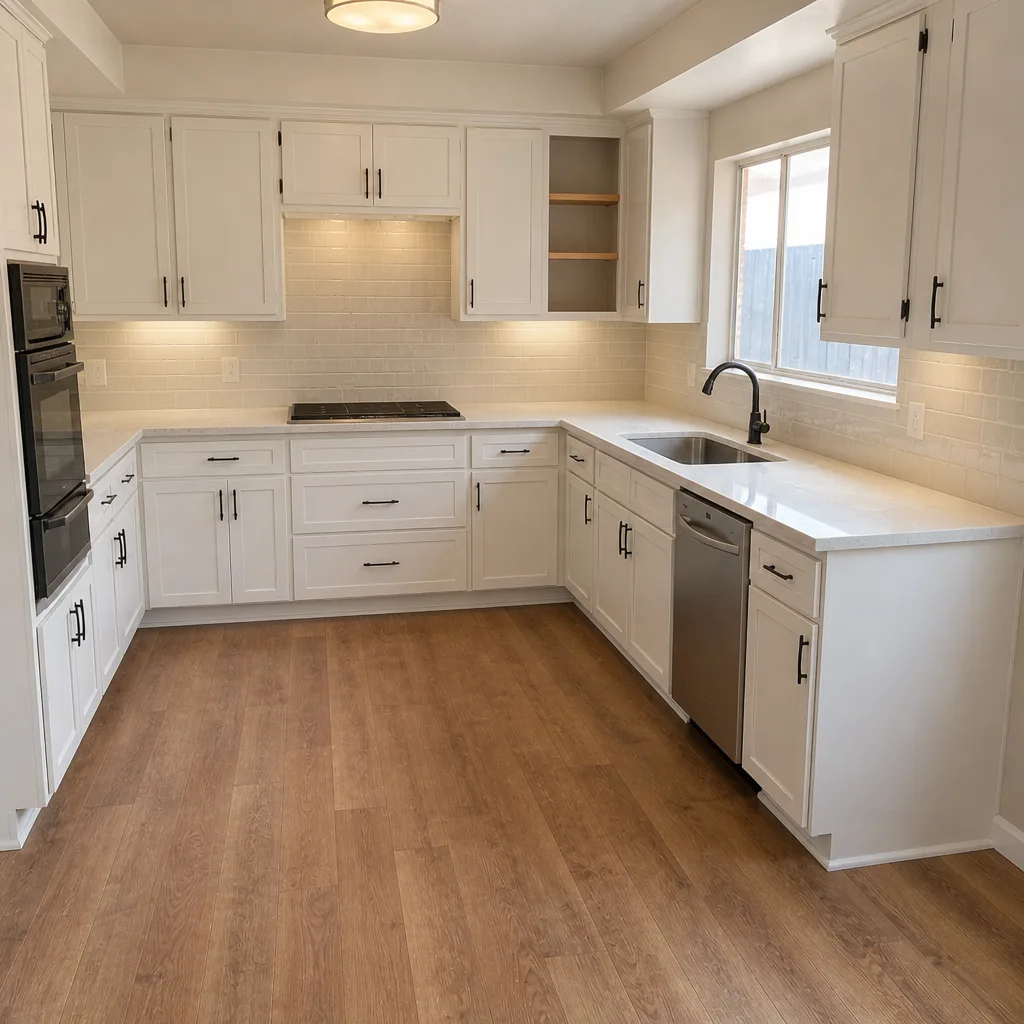 After
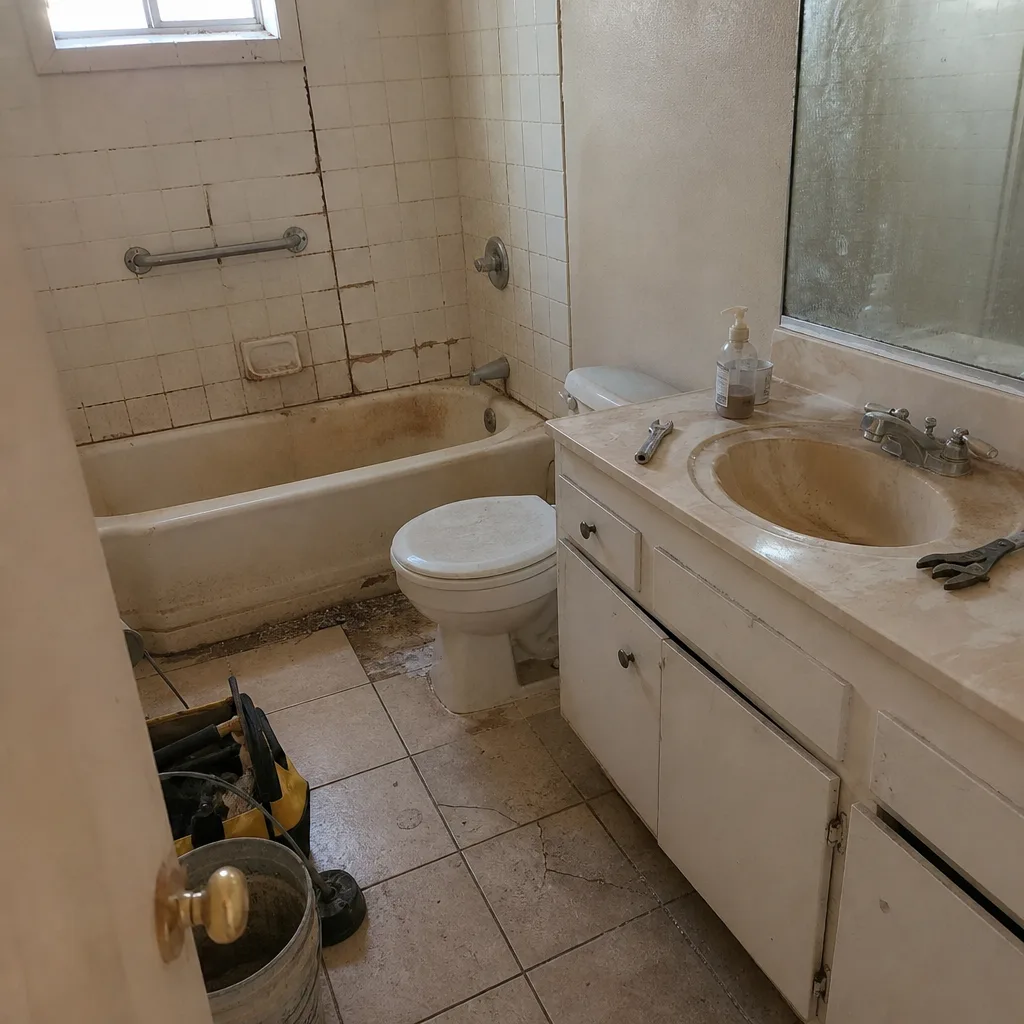 Before
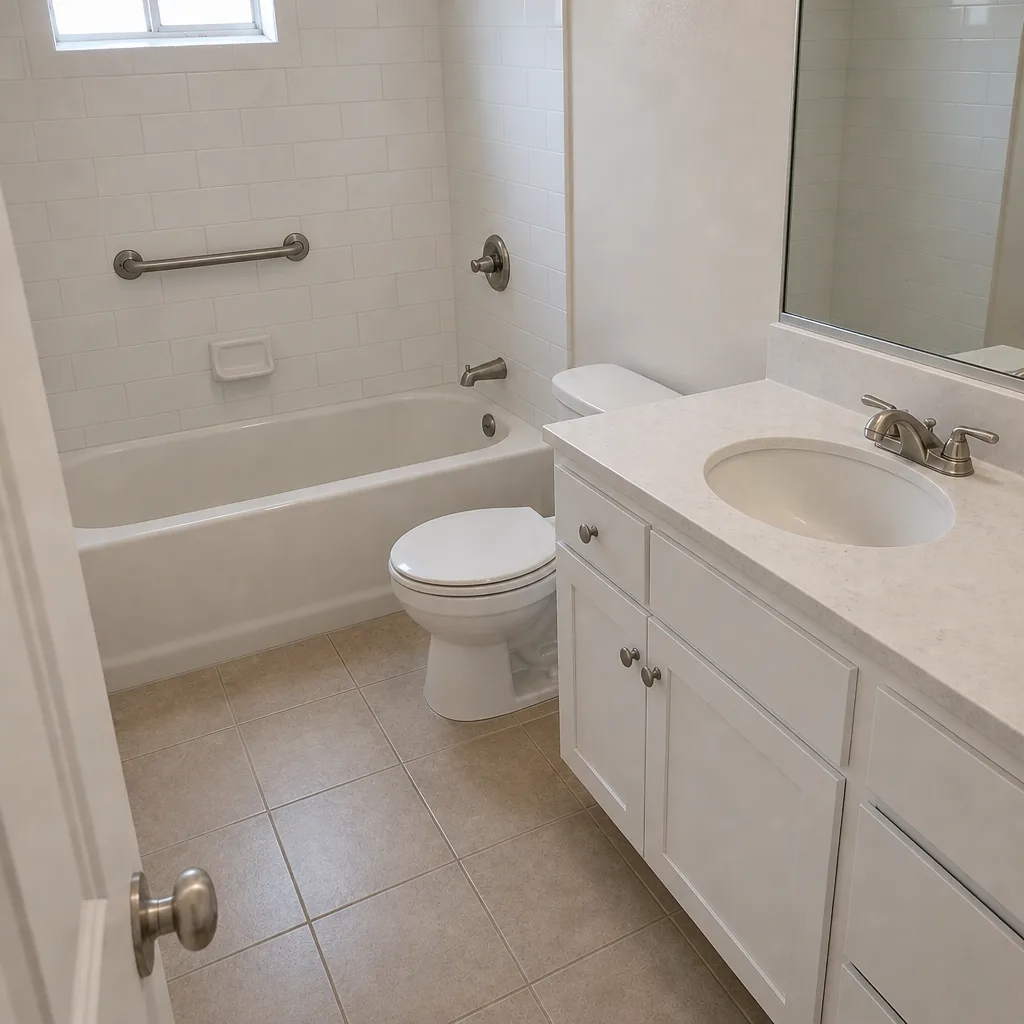 After
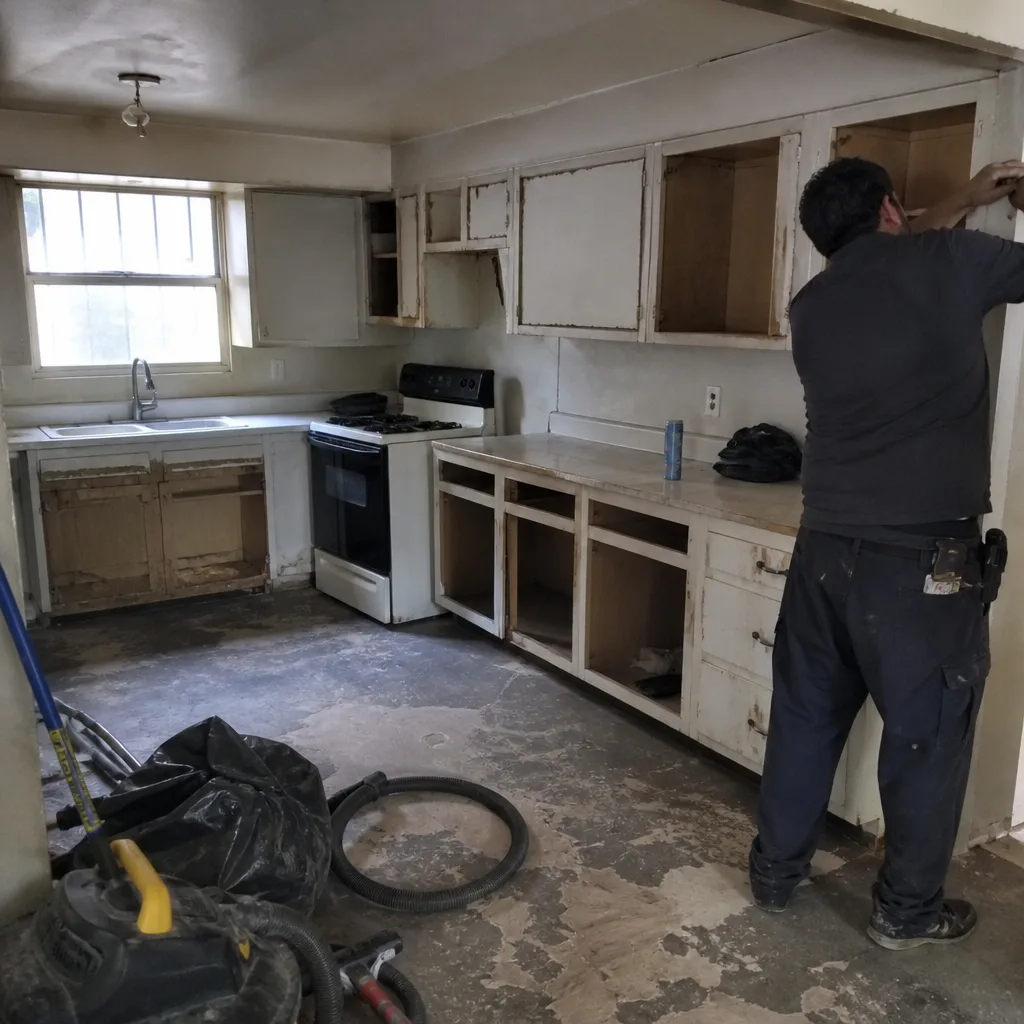 Before
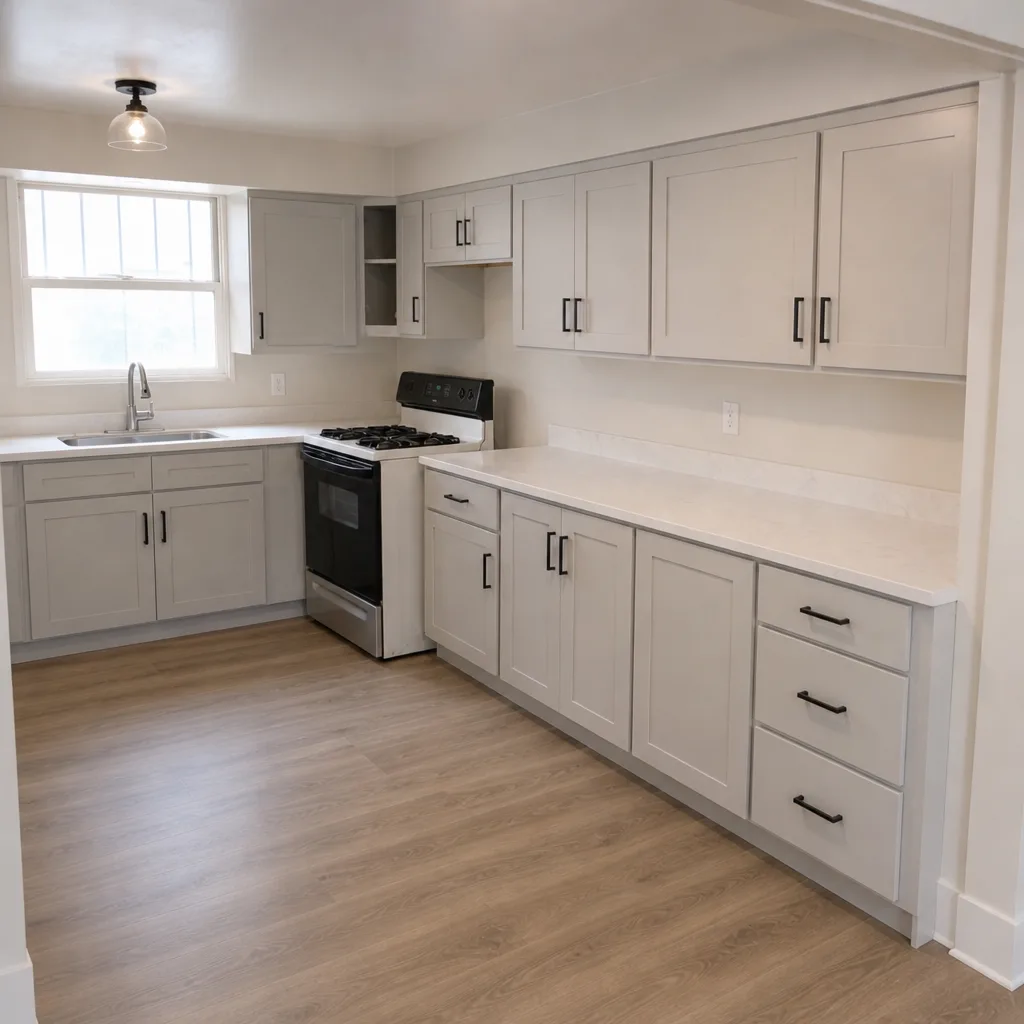 After
What Does a General Contractor Do in Spring Valley, NV?
A general contractor in Spring Valley runs the approvals, the schedule, the trades and the money on your remodel - and here that means managing two separate approval tracks that must run in the right order. If your home is in Rhodes Ranch, Spanish Trail, or any other HOA-governed community, the first job isn’t ordering materials. It’s submitting the architectural review application, because the HOA must approve the scope before Clark County will even accept the permit application that lets work legally begin. Everything else on this page is what happens between those two stamps. For a project-specific read on where your approvals stand, call Elmstead Remodeling Spring Valley at (844) 320-4882.
The Approval Sequence That Actually Defines the Job
Most descriptions of a GC’s role skip straight to “hiring subcontractors and managing the build.” In Spring Valley, the build is the easy part to describe and often the fastest part to complete. The slow part is the paper trail, and it lives in a sequence you can’t reorder.
Here’s the real workflow we walk families through, step by step:
- HOA architectural review submission. Plans, elevations, material samples, sometimes a color board and a site sketch. Every community sets its own packet requirements, and a packet missing one item restarts the clock.
- HOA approval. This sits entirely outside county control. No amount of contractor readiness moves it.
- Clark County Building & Fire Prevention permit application. Spring Valley is an unincorporated Clark County township, not a city, so there’s no municipal building department to call. Plans go to the county, and the county wants the HOA approval in hand for exterior scope.
- County permit issuance. Review comments, plan revisions, then issuance.
- Work begins. Only now does a crew show up.
- County inspections. Rough-in, then final, with the specific inspection set depending on electrical, plumbing, framing and structural scope.
- Final sign-off. The project closes with the county, and your file reflects completed, inspected work.
That sequence is the single most useful thing to understand about hiring a contractor in Spring Valley, because it tells you where your timeline actually lives. A homeowner who has a finished design and a signed contract can still sit for weeks waiting on step two. Knowing this doesn’t make the wait shorter, but it means nobody’s guessing, and nobody’s promising you a start date that the county or the committee hasn’t agreed to yet.
Where Delays Actually Live (and What a GC Does About Them)
Three bottlenecks account for most of the frustration we see, and each one has a specific fix.
- Incomplete HOA packets. The most common stall. A GC who has filed in a community before knows what the committee asks for and submits a complete packet the first time.
- County review comments. Plan check feedback requires revised drawings and a resubmittal. A GC who reads the comment sheet carefully before responding avoids a second round.
- Scope changes after approval. Adding a patio cover or moving a window wall after the HOA has signed off means going back through both tracks. Deciding the full exterior scope early is cheaper than deciding it twice.
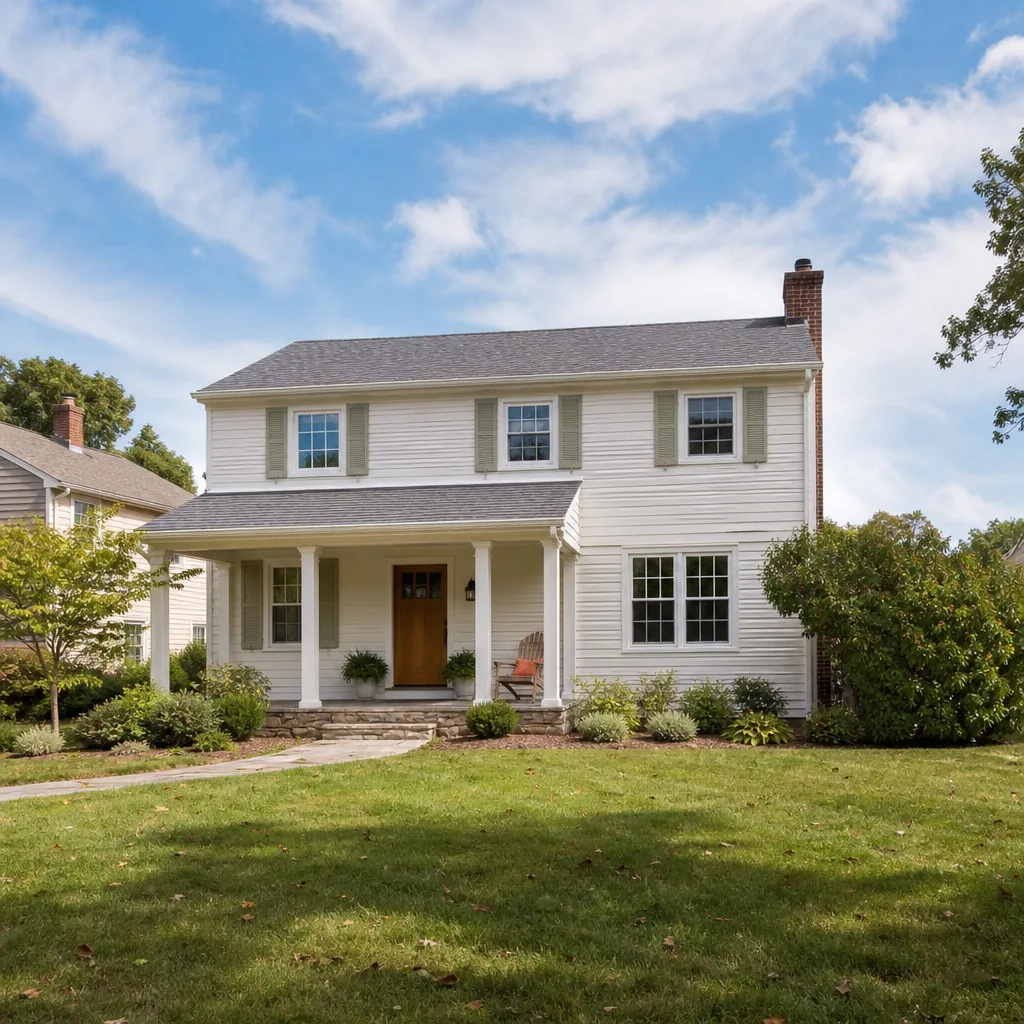
There’s a local wrinkle worth naming: many Spring Valley homes sit in master-planned subdivisions built during the Las Vegas Valley boom of the 1990s and 2000s, where exterior changes are exactly the kind of work people want now. Roofing, windows and patio covers are all HOA-governed scope. That means the approval track isn’t an edge case here. It’s the normal path.
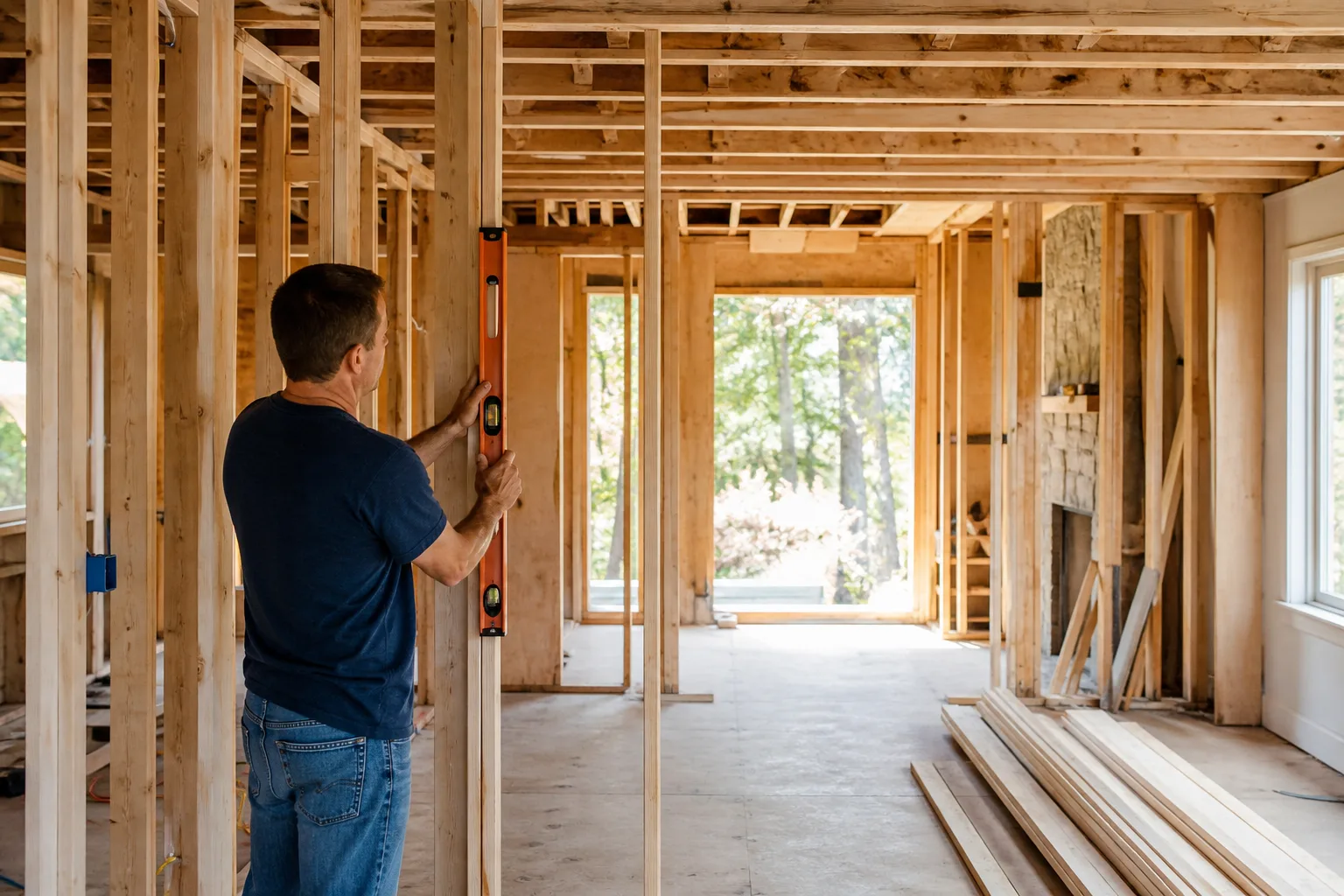
What a General Contractor Does on a 1990s or 2000s Spring Valley Home
A general contractor should also be your building’s diagnostician before anyone swings a hammer. On the tract stock common across Spring Valley, the assessment follows a recognizable pattern.
Original construction quality
Builder-grade work from that era varied. A GC walks the house looking for what was done to a production standard and what was upgraded later, because it changes how a new wall ties in and what’s behind the drywall you’re opening.
The electrical panel
Original builder-grade panels from those decades are a frequent failure point, and a kitchen or addition that adds load will surface it. This is genuinely dangerous work. We don’t open panels and neither should you; a licensed electrician evaluates capacity and the panel itself, and the GC sequences that evaluation early so it doesn’t ambush the schedule mid-project.
Stucco condition before any exterior tie-in
Spring Valley’s sun-and-monsoon cycle is hard on stucco. Routinely over 110°F in summer and intense UV drive cracking and coating failure, and monsoon season (July through September) tests every patch. Before an addition or patio cover ties into an existing wall, the stucco gets checked, because patching over failing substrate just moves the problem. On homes on the expansive clay soils common to the southwest valley, drainage and grading get looked at in the same pass. Correcting grade after the fact costs more than correcting it while the crew is already there.
Subcontractor Coordination Is a Weather Job Here
This is the part of the role that outsiders almost never mention. Coordinating trades in a desert climate is a scheduling problem with hard physical limits.
Tile adhesive and mortar cure differently above 100°F, so tile work gets sequenced early in the day or pushed to a cooler stretch rather than rushed in July afternoon heat. Exterior work – stucco patching, roofing, flatwork – gets planned around monsoon season, because a flash-flood afternoon isn’t a good day to have an open roof or uncured coating. Concrete flatwork timing is its own calculation: wide seasonal temperature swings stress slabs, and pouring into the wrong window invites thermal cracking that shows up months later. A GC who has worked a few Spring Valley summers schedules around these instead of discovering them.
Site Safety and Trust: Who Is on Your Property
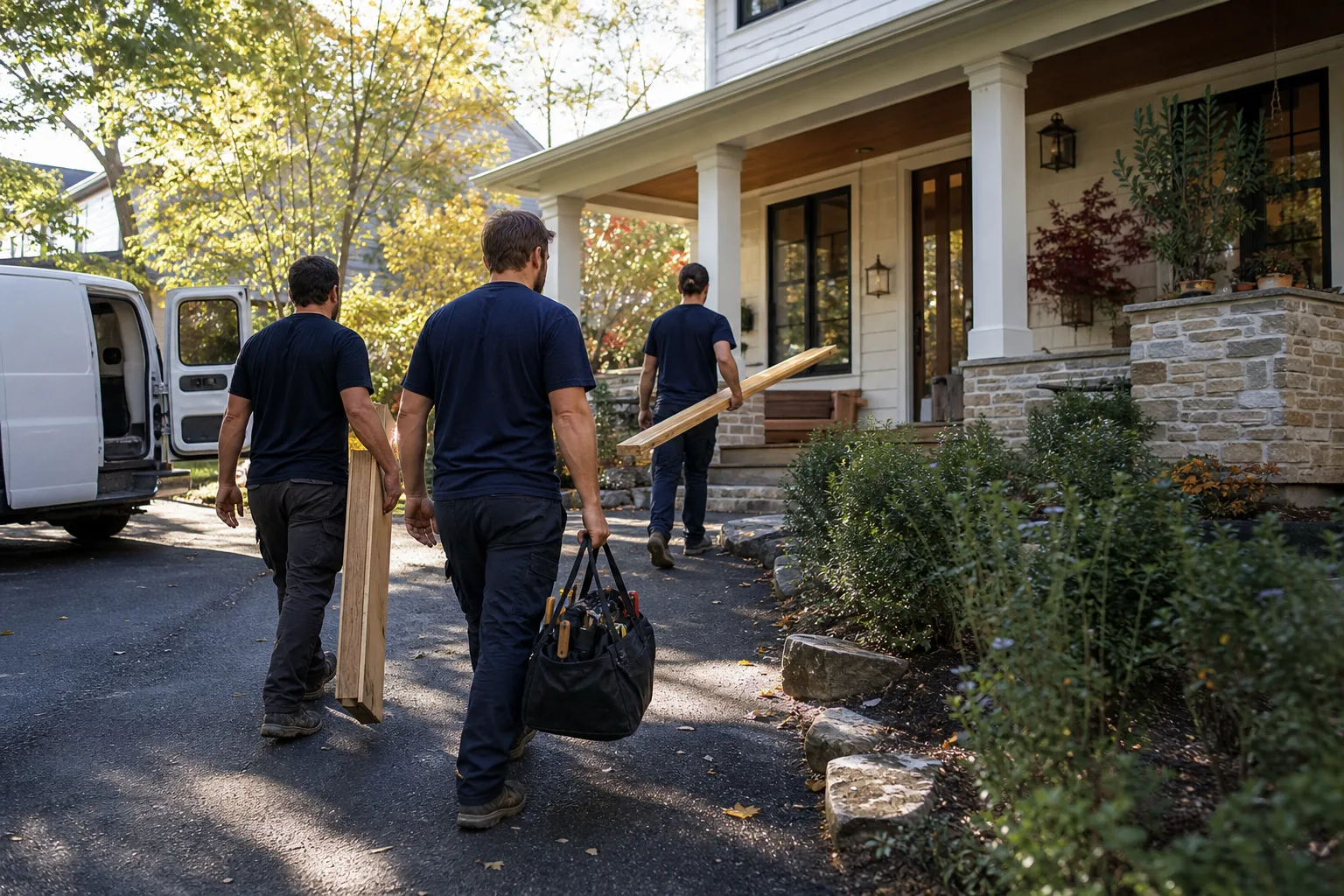
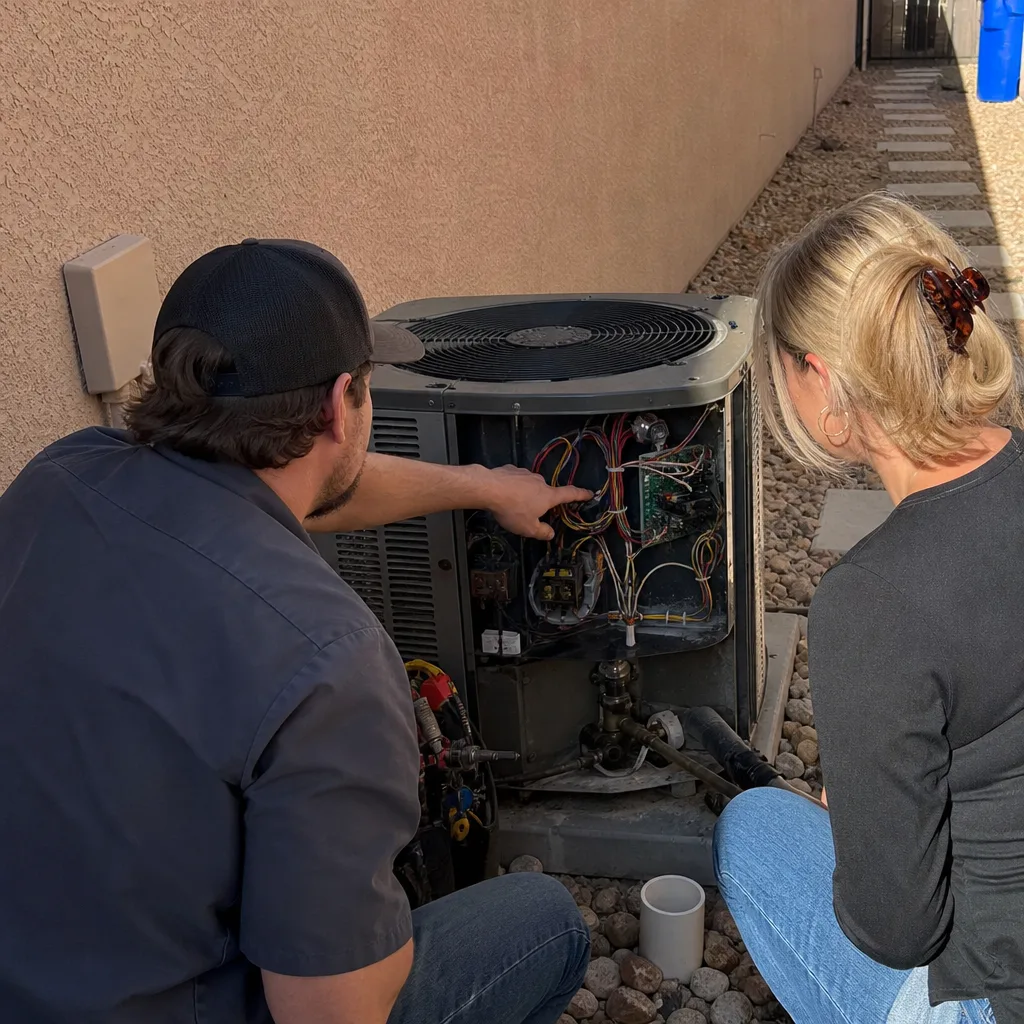
A general contractor with background-checked, uniformed technicians is doing more than a background check. They’re running a site-safety and accountability function. You should know who is authorized to be inside your house on any given day, and the GC should be able to tell you. That’s the standard we hold: every person who enters your home has been vetted, is in uniform, and is on the schedule you were told about.
The Cedarwell Care Promise governs every project, and it’s built for households with children and pets: shoe covers and drop cloths on every visit, quiet tools during family rest hours where the schedule allows, pet-safe product choices where a choice exists, and a photo of the clean-up before the crew leaves. A written price is given before any work starts, on every project. The 365-Day Done Right Promise covers the finished work for a full year – if it isn’t done right, we make it right. Phones are answered by a live person, 24/7.
Materials Specification: Naming Brands Is Accountability
When a GC specifies Kohler, Moen or Schluter by name, they’re no longer describing “good quality.” They’re accountable to a manufacturer’s published specification and to a warranty that travels with your finished project. That’s the practical difference between a brand name and a vague promise: you can look it up, and the manufacturer has already written down what correct installation means.
Our material partners include KraftMaid and Wellborn cabinets, Cambria, Silestone and Caesarstone countertops, Kohler, Moen and Grohe fixtures, Schluter systems and James Hardie exteriors. Our technicians have up to 21 years of experience. Elmstead Remodeling Spring Valley is a Cedarwell company, and every location is independently owned and operated while holding to the same Cedarwell Care Promise standards.
What Projects Does a General Contractor Manage in Spring Valley?
On the residential side, our work falls into four areas: general contracting, bathroom remodeling, kitchen remodeling, and whole-home remodeling. A remodeled kitchen is often the project that reveals the panel question, and a bathroom is where waterproofing detail matters most – which is where Schluter specification earns its keep.
| Project | Typical Spring Valley Range |
|---|---|
| Kitchen remodel | $14,000-$45,000 |
| Small kitchen remodel | $9,000-$20,000 |
| Bathroom remodel | $9,000-$28,000 |
| Small bathroom remodel | $5,000-$12,000 |
| Walk-in shower installation | $4,500-$12,000 |
| Home addition | $45,000-$130,000 |
| Roof replacement | $8,000-$20,000 |
| Window replacement | $4,500-$15,000 |
Use those as a planning range, not a quote. The written price comes before any work starts, and it’s specific to your house, your HOA’s requirements and what the county review turns up.
If you’re weighing options across the Las Vegas Valley, it’s worth reading how the process differs for homeowners in Las Vegas proper and for Henderson, where the building department structure changes the sequence. If your project is exterior-adjacent, our roof replacement and window replacement pages cover the HOA review specifics, and paver patio installation is one of the scope items most often added late. Families planning accessibility work should look at tub-to-shower conversion, and anyone considering a detached structure can start with ADU construction. For the bigger picture on how remodels get scoped, read our guide to home additions and kitchen countertop installation.
FAQs
The HOA approves first for exterior scope. The architectural review committee has to sign off before Clark County Building & Fire Prevention will accept the permit application, so a homeowner can’t shortcut the committee by going straight to the county. Call (844) 320-4882 and we’ll walk you through which approvals your project needs.
It depends mostly on the two approval tracks, not the construction. HOA review and county plan check each add time before a crew can start, and a resubmittal on either track adds more. Interior-only work that doesn’t touch exterior scope typically moves faster because the HOA track may not apply. Call for a realistic timeline on your specific project – estimates are free.
Not always legally, but the coordination is usually where homeowners lose time. A bathroom remodel touches plumbing, electrical, waterproofing and tile, each needing the right trade in the right order, and a permit is often required. A GC sequences those trades and holds the inspection schedule. Call (844) 320-4882 for a written price before any work starts.
That’s a licensed electrician’s call, not ours, and it depends on panel condition and the load you’re adding. What we can tell you is that evaluating it early is cheaper than discovering it mid-remodel, because the panel question can affect the whole schedule. Call (844) 320-4882 for a free assessment that includes looking at how your scope interacts with the existing electrical.
Talk to Us Before You File Anything
If you’d rather have it looked at, Elmstead Remodeling Spring Valley offers a no-pressure assessment in Spring Valley – call (844) 320-4882. We’ll tell you which approvals your project needs, in what order, and give you a written price before any work starts. A live person answers, any hour.
Written by the team at Elmstead Remodeling Spring Valley, serving Spring Valley, NV.