Last updated November 18, 2026








Free written scope consultation - allowances, timeline, and change-order rules on paper before a single trade is scheduled
General Contractor Maintenance Schedule: What to Do and When
Las Vegas sees temperatures swing more than 40°F between January lows and July highs. That thermal expansion and contraction is the single biggest enemy of caulk joints, exterior paint, and door frames in Spring Valley, and most maintenance guides were written for climates where that range is half as wide. A house here moves. Stucco flexes, grout lines hairline-crack, and the weatherstripping you installed in March may not close the same way by October. This guide lays out a month-by-month maintenance calendar built for the Mojave Desert, covering the work a general contractor hands off and how to keep it holding up for years.
Quick Answer
In Spring Valley, home maintenance follows a desert rhythm: inspect and repair exterior caulk, stucco, and roof valleys in spring before monsoon season, check interior tile grout and stone sealant after peak summer heat, and prep irrigation lines and door weatherstripping before the first winter freeze. The two highest-value checkpoints are a May – June pre-monsoon inspection and an October post-summer walkthrough. Everything else in this schedule protects the work between those two dates.
Styles & brands we work with
- Kitchen remodeling
- Bathroom remodeling
- Home additions & ADU
- Roofing
- Windows & doors
- Driveway & pavers
- Fence
Table of Contents
- Why Desert Maintenance Looks Different
- Spring Checklist: March Through May
- Pre-Monsoon Checklist: May and June
- Post-Summer Inspection: September and October
- Winter Prep for Desert Construction
- Manufacturer Maintenance Intervals That Protect Your Warranty
- The Annual Photo Documentation System
- The Full 12-Month Calendar at a Glance
Why Desert Maintenance Looks Different
Spring Valley sits in a thermal swing zone. The same 40-plus-degree spread that cracks a driveway also works on the joints around your windows, the sealant at your stucco weep screed, and the caulk line where your kitchen backsplash meets the countertop. Materials expand in July and contract in January. Sealant that stays flexible through both ends of that range survives; rigid caulk fails fast. That’s why the maintenance schedule here isn’t about mowing and gutters. It’s about joints, seals, and the surfaces that take direct afternoon sun.
Monsoon season adds a second pressure point. July through September brings sudden heavy rain, and any gap that opened during the dry spring becomes a water entry point. Spring Valley homes with stucco exteriors are especially vulnerable at the weep screed, the metal channel near the foundation that lets moisture escape from behind the stucco. If desert debris or blown sand clogs those channels before a storm, water backs up into the wall assembly.
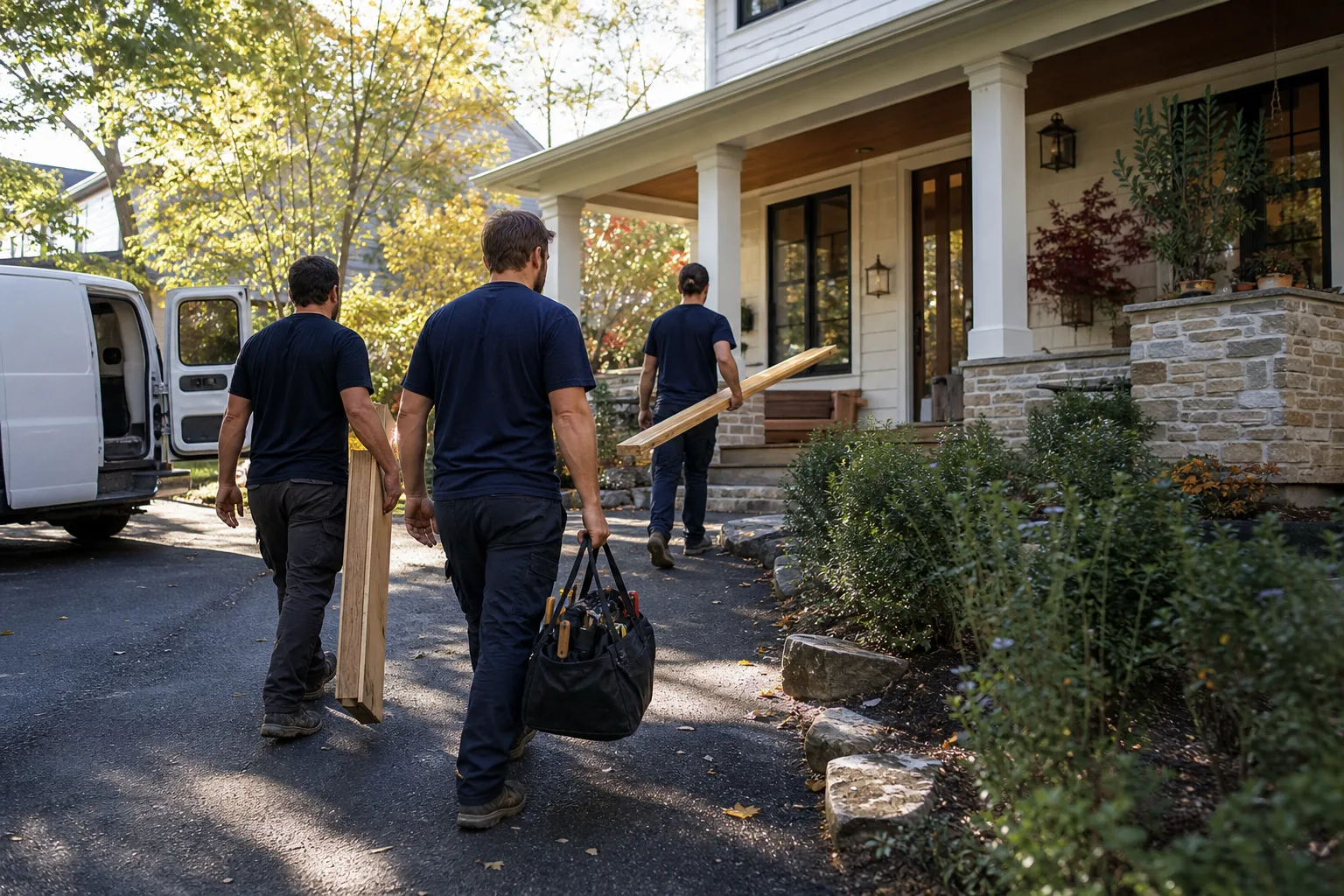
This is the schedule we hand to families after a project is completed, and it’s the schedule we’d follow on our own homes in Spring Valley. Our technicians have up to 21 years of experience watching how desert conditions age remodels, and the calendar below reflects that pattern rather than a generic national checklist.
Spring Checklist: March Through May
Spring in Spring Valley is the window before the heat arrives, which makes it the right time for work that’s uncomfortable to do in July. It’s also when the biggest thermal movement of the year has just finished, so any damage from winter contraction is visible.
- Walk the exterior and flag every caulk joint. Look at window frames, door frames, hose bibs, and the transition where stucco meets trim. Any caulk that’s cracked, pulled away, or feels hard instead of rubbery needs replacement before summer.
- Inspect the stucco for hairline cracks wider than a credit card edge. Small thermal cracks are cosmetic. Cracks that let a business card corner slide in need attention before monsoon rain finds them.
- Test every exterior door and window for smooth operation. Winter contraction often reveals doors that were adjusted in summer but no longer latch cleanly. Sticking doors in March can indicate frame movement worth a closer look.
- Check the roof valleys for debris. Desert wind moves sand, palm fronds, and seed pods into roof valleys. GAF and CertainTeed shingle warranties assume valleys drain freely; debris that traps water voids that assumption.
- Test smoke and carbon monoxide detectors and replace batteries. Routine, but worth putting on the same walkthrough so it doesn’t get skipped.
Spring is also the season to schedule any larger repair that emerged over the winter. If you’re planning a bigger scope later in the year, it helps to price it early with our General Contractor in Spring Valley team so the work order is set before summer scheduling fills in.
Pre-Monsoon Checklist: May and June
Monsoon rain arrives fast in Spring Valley, sometimes with less than an hour of warning. The point of the May – June inspection isn’t cosmetic. It’s closing water entry paths before the first storm tests them.
The three priorities are stucco weep screeds, window frame caulk, and roof valley clearance. The weep screed is the metal channel at the base of the stucco that lets moisture drain out from behind the wall. In Spring Valley, blown sand and dust regularly clog it, and monsoon rain then pushes water into the wall cavity instead of letting it escape. Cleaning the channel and confirming the weep holes are clear is a 20-minute job that prevents thousands of dollars in stucco and framing damage.
- Clear weep screed channels of sand, soil, and debris around the entire foundation line.
- Recaulk window frames and door frames with a flexible exterior sealant rated for high temperature swings.
- Clear roof valleys and gutters of palm fronds, seed pods, and desert grit. If your roof uses GAF or Owens Corning shingles, confirm the valley flashing hasn’t lifted.
- Check exterior paint for blistering or peeling, especially on south and west-facing walls that take the most sun.
- Confirm French drains and site drainage flow away from the foundation. Monsoon water needs somewhere to go.
Families with pets should note that many exterior sealants need 24 to 48 hours to cure before pets should be on the surface. We schedule pre-monsoon sealing work around that when the household has dogs, because a curious dog and a wet caulk line don’t mix.
Post-Summer Inspection: September and October
By late September, Spring Valley has just come off the hottest stretch of the year. The materials in your home have done their annual expansion. The post-summer inspection is where you catch what moved.
The highest-value items are interior tile grout and natural stone countertops. Tile grout in kitchens, bathrooms, and entryways can hairline-crack as the substrate under it expands and contracts. Those cracks look cosmetic but they open the door to moisture under the tile, which is a much bigger problem in a bathroom than a kitchen. Walk every tiled surface and look at the grout lines with a flashlight at a low angle. Fine cracks around the perimeter and near expansion joints show up that way.
Natural stone countertops from Cambria, Silestone, and similar quartz or stone surfaces may not need re-sealing the way porous natural stone does, but any natural stone tile or countertop in the home should be checked for absorbed stains and re-sealed according to its manufacturer’s interval after peak heat. The same goes for stone flooring in entries and showers.
- Inspect tile grout for hairline cracks around perimeter edges and near change-of-plane joints.
- Check stone countertops and tile for staining that suggests the sealer has worn.
- Test cabinet doors and drawers. Wood cabinet fronts from KraftMaid or Wellborn can shift slightly with season changes. Adjust hinges and slides now, not in January.
- Look at door weatherstripping. Summer expansion often compresses or deforms the seal. If a door closes with daylight visible at the edge, the strip needs replacing before winter.
- Check the caulk at bathroom fixtures and kitchen backsplash edges.
If you’re weighing a bathroom update because of what the post-summer inspection turns up, our Bathroom Remodeling in Spring Valley team can walk the tile with you and give a written price before anything starts.
Winter Prep for Desert Construction
Spring Valley winters don’t freeze hard, but they get cold enough to matter. Overnight lows in the 30s are common in January, and that’s cold enough to burst an exposed irrigation line or crack a joint that has water in it.
Winter prep is mostly about water and seals. Foam-wrapping exposed irrigation lines, hose bibs, and backflow preventers protects them from the overnight freeze cycle. If you spend the holidays away from home, shut off the main water supply and drain the lines as a precaution.
Doors need attention in winter because summer expansion and fall contraction often leave weatherstripping compressed or misaligned. Walk every exterior door and check that it seals fully. A door that whistles or shows light at the frame is a door that’s letting heat out and cold in, and it’s also the door most likely to need adjustment or replacement stripping in the new year.
- Foam-wrap exposed irrigation lines and hose bibs.
- Test weatherstripping on every exterior door and replace any strip that’s compressed or torn.
- Check caulk around window frames and door frames one more time. Winter contraction opens gaps that were tight in August.
- Confirm smoke and CO detectors again. Furnace season is when they matter most.
- Inspect exterior paint for any peeling that emerged after summer sun.
Winter is also the quiet season for interior projects. Families often use the slower months to plan a Kitchen Remodeling in Spring Valley project so the written price is in hand before spring scheduling starts.
Manufacturer Maintenance Intervals That Protect Your Warranty
Named-brand materials come with manufacturer warranties, and those warranties usually require documented maintenance. Skip the maintenance and the warranty may not cover the failure. This is one of the least-talked-about reasons maintenance matters, and it’s a real difference between a product that lasts 20 years and one that fails at year six with no coverage.
- Schluter shower and tile systems require that waterproofing membranes and edging not be punctured or altered. Check annually that the sealant at change-of-plane joints is intact. If it isn’t, the waterproofing warranty can be affected.
- Kohler, Moen, and Grohe fixtures each publish their own cleaning and service intervals. Most require only gentle cleaning and periodic cartridge inspection. Abrasive cleaners can void finish warranties, so check the finish-care sheet before scrubbing a fixture with anything harsh.
- James Hardie siding requires periodic inspection and re-caulking at joints according to the manufacturer’s interval, plus repainting on the schedule Hardie specifies for your climate. Skipping it can shorten the warranty period.
- GAF and CertainTeed roofing assume valleys drain freely and flashing is intact. Debris buildup that traps water can be grounds to deny a claim, so those spring and pre-monsoon roof checks double as warranty protection.
Keep the manufacturer documentation in one folder along with your project records. When a claim or a resale conversation comes up, having the paperwork in hand matters. Every Elmstead Remodeling project includes the manufacturer warranty documentation for the products installed.
The Annual Photo Documentation System
The simplest insurance for a home is a photo record, and most homeowners never build one. A photo log establishes the baseline condition of every surface, joint, and fixture so that when a question comes up later, you can show what changed and what didn’t.
The system is straightforward. Pick the same weekend every year, walk the house in the same order, and photograph the same details. The consistency is what makes the log useful.
- Pick an annual date. The week after Labor Day works well in Spring Valley because the summer movement is finished and the light is still good in the afternoon.
- Photograph the exterior in sections. Four sides, plus close-ups of the weep screed, window frame caulk, door frame corners, and roof valleys.
- Photograph interior hard surfaces. Tile grout lines, stone countertops, cabinet doors, and bathroom caulk. Use a flashlight at a low angle so hairline cracks show in the photo.
- Photograph each utility area. Water heater, irrigation manifold, hose bibs, and any exterior electrical panels.
- Store the photos in a dated folder in cloud storage. Save a copy to a shared folder your household can access.
- Attach a written note of anything you noticed in the annual walkthrough, even if you didn’t fix it yet.
At resale time, the log is a credible record of ongoing care. With an insurer, it’s evidence of condition before a storm. With a contractor, it shortens the discovery process on any service call.
The Full 12-Month Calendar at a Glance
- January: Check weatherstripping and caulk after winter contraction.
- February: Confirm interior tile and stone condition after the winter season.
- March: Exterior caulk joint walk through, flag failures.
- April: Stucco inspection, roof valley clearance, exterior paint inspection.
- May: Pre-monsoon weep screed cleaning and window recaulking.
- June: Site drainage check, French drain flow test, final pre-monsoon caulk pass.
- July: Interior only. Watch for heat-related interior movement.
- August: Interior grout and stone check begins. Watch for cabinet movement.
- September: Post-summer inspection. Tile grout, stone sealing, cabinet adjustments.
- October: Winter prep. Foam-wrap irrigation lines, check door seals, caulk re-pass.
- November: Annual photo documentation walkthrough.
- December: HVAC filters, smoke and CO detectors, indoor plan for spring.
Common Mistakes to Avoid
- Waiting until rain is in the forecast to check the weep screed. Monsoon storms arrive with hours of warning. By then, the weep holes are already clogged and the water has somewhere to go besides out.
- Using rigid exterior caulk on Spring Valley’s exterior joints. Rigid caulk cracks within one summer in this climate. The right sealant for our temperature swing is flexible; a lot of homeowners grab the wrong tube because it’s what’s on the shelf.
- Assuming quartz and natural stone don’t need any care. Even quartz products from Cambria and Silestone have manufacturer care instructions, and natural stone does require sealing on its own interval. Skipping it can void the warranty.
- Ignoring hairline cracks in bathroom tile grout. In a bathroom, grout cracks are the entry point for moisture behind the tile. By the time you see staining, the substrate is often already affected.
- Skipping the photo log because “nothing’s wrong.” The log matters most on the day something does go wrong. Last year’s photos are what you wish you had.
- Repainting James Hardie siding on a different schedule than the manufacturer specifies. The warranty schedule assumes repainting on Hardie’s timeline for this climate. Repainting late can shorten the covered period.
- Doing this work while on vacation and missing a failing joint. Do the walkthrough when you’re home and can call a professional if anything looks off.
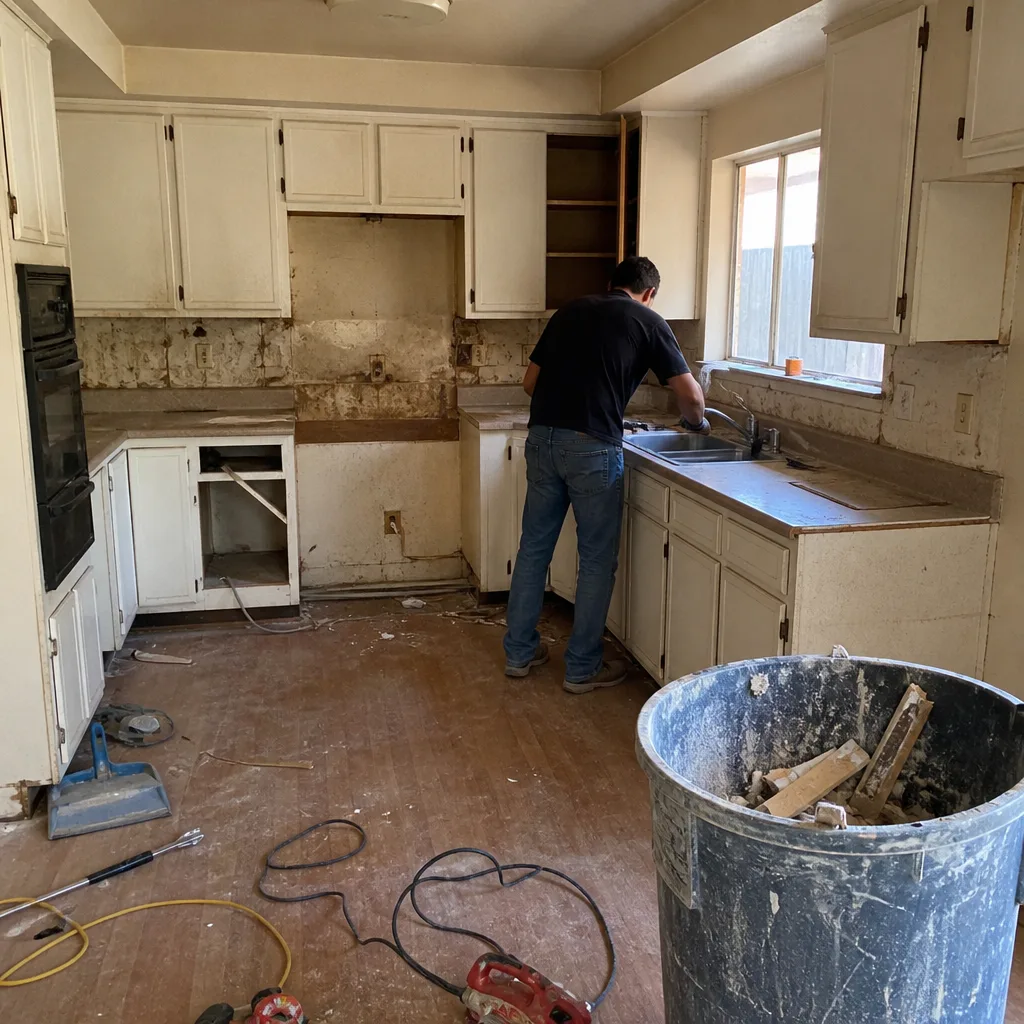
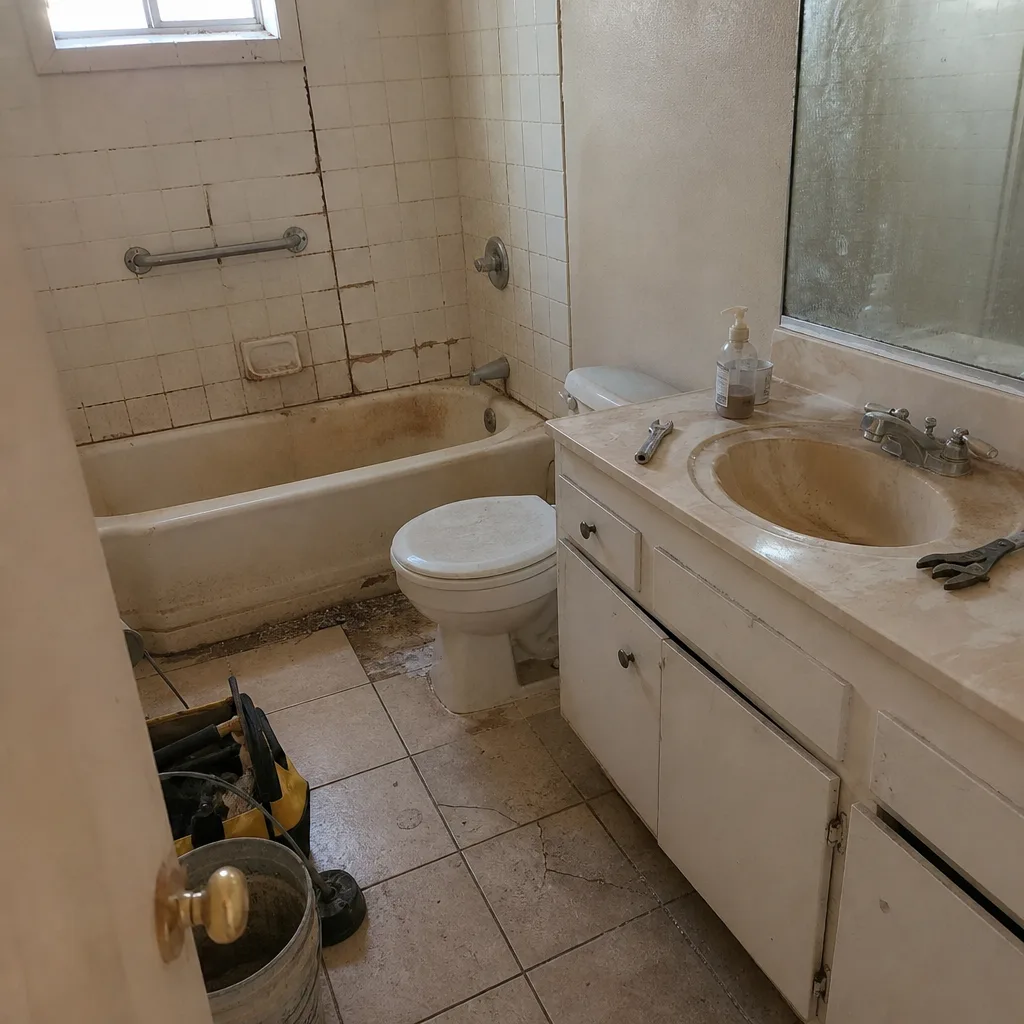
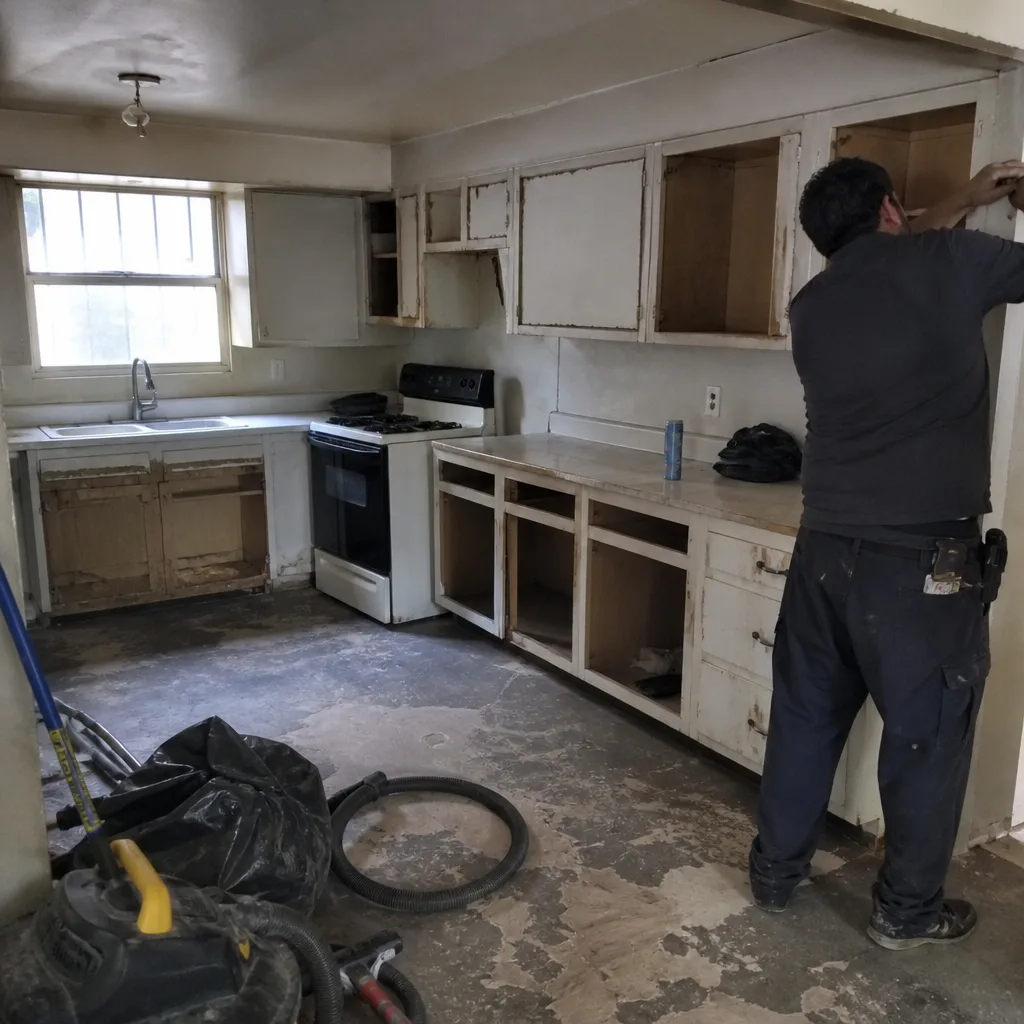
See the difference
 Before
 After
 Before
 After
 Before
 After
When to Call a Professional
Most of this schedule is maintenance you can handle. A few items aren’t: stucco repair, window frame replacement, roof flashing work, and any electrical repair tied to the exterior panels or irrigation controls. Those involve either the building envelope or a genuinely risky component, and the cost of getting them wrong is much higher than the cost of a service call. If you see a stucco crack wide enough to slide a business card into, a roof valley that’s trapping water after a monsoon, hairline grout cracks that are spreading, or weatherstripping that no longer seals after summer contraction, call a professional rather than patch it yourself.
Elmstead Remodeling Spring Valley offers free estimates in Spring Valley. Call (844) 320-4882 for a written price before any work starts, and we’ll walk the property with you and put the fixed scope in writing so you know exactly what’s included.
Frequently Asked Questions

Twice a year, in spring and fall, because the two extreme seasons of thermal movement both create joint failures. In our experience, a spring check is required because winter contraction opens gaps that weren’t there the previous summer, and a fall check catches the summer expansion damage before winter. During the check, run a finger along each joint; if the caulk feels hard or has separated, it’s time to replace it. Call (844) 320-4882 for a free estimate if you need it done right.
Grout and sealant failure caused by thermal expansion and contraction. Kitchens and bathrooms remodeled in a Spring Valley home move more than the same rooms would in a milder climate, and the joints are the first to show it. After your remodel, walk tiled surfaces in September and look at the grout with a flashlight at a low angle. Any hairline crack in a shower or tub surround needs prompt attention. Elstead Remodeling offers free estimates if you’d like the tile inspected.
No. Most quartz products from Cambria and Silestone don’t need re-sealing at all, and natural stone typically needs re-sealing every 2 to 3 years depending on the stone and use. The right interval is the one in the manufacturer documentation that came with your countertop. If you don’t have that documentation, call (844) 320-4882 and we can tell you what we’d recommend after inspecting it.
Late May through mid-June. Monsoon rains in Spring Valley can start as early as the last week of June, so finishing the exterior work by mid-June means the entry paths are sealed before the first storm. The three priorities are weep screed cleaning, window frame recaulking, and roof valley clearance. If you’d like the inspection done with a written report and price, call (844) 320-4882.
Yes, in both directions. Doing maintenance on the manufacturer’s schedule protects the warranty; skipping it can void a claim. James Hardie siding, GAF and CertainTeed roofing, Schluter tile systems, and Kohler, Moen, and Grohe fixtures all publish their own maintenance intervals. Keep the manufacturer documentation with your project records. If you’re not sure whether your documentation is complete, call (844) 320-4882 for a free estimate on a documentation review.
Most of the annual checklist is homeowner-level work: walkthroughs, photo logs, detector batteries, caulk inspection. Stucco repair, roof flashing, window replacement, and electrical work are not. Those involve the building envelope or genuinely risky components, and a trained professional should handle them. For anything in that category, call (844) 320-4882 for a free estimate in Spring Valley.
The Bottom Line
A remodeled Spring Valley home is only as durable as the maintenance schedule that follows it. The single biggest factor is the 40-plus-degree temperature swing between January and July, which moves every joint, seal, and caulk line on the property. Build the two anchor checkpoints into your year: a pre-monsoon inspection in late May or early June and a post-summer walkthrough in September. Keep the manufacturer documentation for your KraftMaid and Wellborn cabinets, Cambria and Silestone counters, Kohler, Moen, and Grohe fixtures, James Hardie siding, and Schluter tile so your warranty stays active. Build the annual photo log. Do those things and the schedule above will keep a Spring Valley home holding up for the long run.
If you’d rather have a trained eye walk the property, we offer free estimates across Spring Valley. A written price before any work starts, a 365-Day Done Right Promise on every completed project, and a live person on the phone when you call: (844) 320-4882.
Written by the team at Elmstead Remodeling Spring Valley.