Last updated November 18, 2026








Free written scope consultation - allowances, timeline, and change-order rules on paper before a single trade is scheduled
Bathroom Remodeling Troubleshooting: Common Problems and How to Fix Them
A grout line that cracks within a year of installation is not a grout problem. It’s a movement problem, meaning something beneath the tile is flexing, settling, or absorbing water it shouldn’t be absorbing, and replacing the grout without finding that cause is a repair you’ll make again in another year. Most of the bathroom headaches we troubleshoot in Spring Valley start behind the tile, in layers nobody photographed before they were covered. That’s the whole game: read the symptom on the surface, then trace it back to the waterproofing, the substrate, and the drain slope underneath. This guide teaches you to do both – diagnose what you’re seeing and demand the documentation that proves what’s hidden. We’ll cover tile versus grout failures, membrane testing without demolition, post-remodel plumbing quirks, and what to do when a Spring Valley contractor won’t stand behind the work.
Quick Answer
Most post-remodel bathroom problems trace to the hidden layers: a failed waterproofing membrane, a substrate that wasn’t stable, or a drain with the wrong slope. You fix them by diagnosing the symptom first (crack pattern, moisture reading, drain behavior), then pulling the documentation from your contractor to see what was actually installed. Surface repairs without finding the cause fail again within a year.
Styles & brands we work with
- Kitchen remodeling
- Bathroom remodeling
- Home additions & ADU
- Roofing
- Windows & doors
- Driveway & pavers
- Fence
Table of Contents
- How do you tell grout cracking from tile cracking?
- How do you detect a failed shower membrane without demolition?
- Why are your new drains and valves acting up?
- What documentation should a contractor hand over at close?
- What causes a shower pan to fail in Spring Valley’s climate?
- How do you file a complaint with the Nevada State Contractors Board?
- How do you prevent these problems in the first place?
How do you tell grout cracking from tile cracking?
The crack itself tells you where to look. Grout is a cementitious material – it’s meant to flex a little and is the first thing to show stress. Tile is rigid ceramic or porcelain, and when a tile cracks, the stress was big enough to defeat a hard surface. That’s a different story.
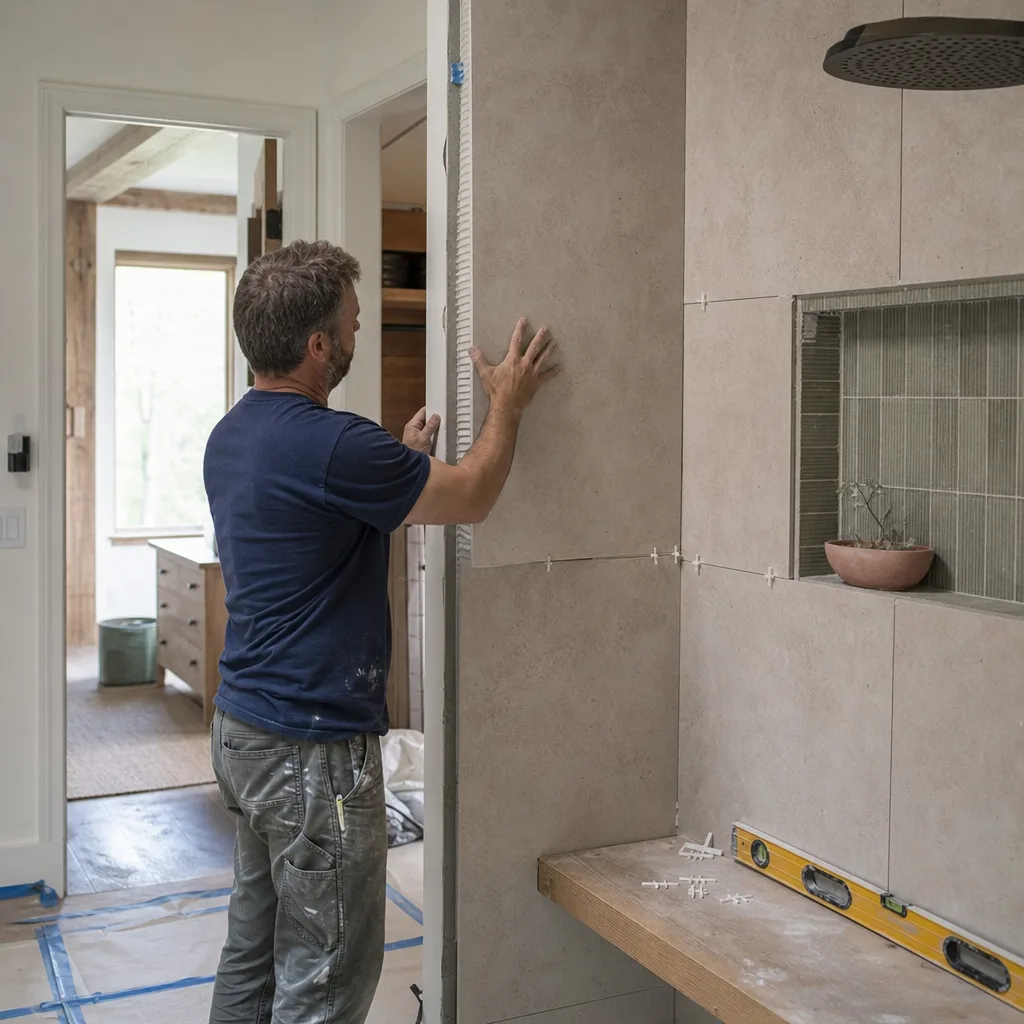
Grout cracking along a single line – usually following a seam between backerboard panels or where the floor meets the wall – points to movement in the substrate. Backerboard joints that weren’t taped and bedded in thinset will telegraph a crack through the grout within 6 to 18 months. Replacing grout won’t fix it. The joint needs to be cut out, taped, and re-bedded, or the panel needs to be replaced.
Tile cracking in a star pattern radiating from a point is deflection – the floor below the tile is flexing more than the tile tolerates. In Spring Valley homes with pier-and-beam construction, we see this near the doorway threshold where the joist spacing widens. Cracks that appear as a single line across several tiles usually mean a hard object dropped, an impact, or a tile installed on a hollow thinset bed.
Cracking confined to the shower floor near the drain is its own category. That’s deflection around the drain flange, and it almost always means the membrane beneath has been compromised too. Water gets in through the crack and sits on the pan, feeding the mold you smell before you see.
Next time you look at a crack, ask three questions: where is it, what shape is it, and what’s below it? That answers whether you’re patching grout or opening the substrate.
How do you detect a failed shower membrane without demolition?
You test it. A properly installed shower pan, whether it’s a Schluter Kerdi bonded membrane or a traditional PVC liner with a preslope, should hold water indefinitely. If it doesn’t, you have a failed membrane, and no amount of surface sealer will help.
Here’s the flood test, the same one a plumber uses before tile goes down:
- Plug the drain with a test plug or an inflatable drain bladder.
- Fill the shower floor with water to a depth of about 2 inches, or up to the top of the curb if it’s lower.
- Mark the water line with a pencil or a piece of tape on the tile.
- Wait 24 hours. Don’t use the shower during that window.
- Check the water line and look for moisture on walls or floors on the other side of the shower.
Any drop beyond evaporation (roughly a quarter inch on a hot day) or any dampness in an adjacent room is a fail. A moisture meter pressed against the drywall in the room behind the shower will read above 15% if the membrane is leaking. If you smell a musty, earthy odor in the bathroom that doesn’t clear with ventilation, water is sitting somewhere it shouldn’t be.
Before you own the house – or before you sign off on a remodel in Spring Valley – ask the contractor whether they flood-tested the pan and for how long. Twenty-four hours is standard. A contractor who can’t answer isn’t hiding anything malicious. But the answer tells you how seriously they treat the layer nobody sees.
Why are your new drains and valves acting up?
Three plumbing problems show up in the first 90 days after a bathroom remodel, and all three have specific causes rather than mystery ones.
Slow shower drain after new tile. Thinset, grout, and construction debris find their way into the drain during installation. A drain that was flowing fine on day one and slows over the next month is usually carrying a clump of set thinset through the trap. A plumber can clear it; the tile setter should have stuffed a rag in the drain opening during grouting to prevent it.
Reduced water pressure after a fixture swap. New valves from Kohler, Moen, or Grohe are fine. The problem is almost always debris in the shut-off valves or in the aerator screen. Sediment that sat undisturbed in the pipes for years breaks loose when the water is shut off and back on. Pull the aerator first. If that clears it, you’re done. If not, the angle stops under the sink or behind the wall need to be flushed.
Running toilet after a new rough-in. A toilet that runs constantly after a remodel points at a flapper that isn’t sealing against a slightly misaligned valve seat, or a fill valve that wasn’t adjusted for the water pressure on that line. Spring Valley sits in a service area where pressure varies by neighborhood – homes closer to the pressure-reducing station tend to run higher. Check the fill valve setting before you replace the whole assembly.
None of these require opening walls if you catch them early. Sit on a slow drain for six months and you’re looking at a trap replacement.
What documentation should a contractor hand over at close?
This is where the whole troubleshooting question actually gets answered. If a problem shows up two years after a Spring Valley bathroom remodel, your ability to establish fault comes down to what the contractor photographed and handed over. Without it, you’re guessing.
Ask for these at project close, and don’t accept a shrug:
- Photos of the waterproofing before tile went down. Membrane coverage, seam overlaps, corner detail around the curb and drain.
- Photos of the substrate and backerboard installation. Panel joints, screw pattern, and the thinset bed beneath.
- Inspection sign-off copies. Spring Valley bathrooms fall under Clark County building permitting, and the final inspection report should be in your hand.
- Product data sheets. Manufacturer installation specs for the membrane, the thinset, and the tile – the same documents a manufacturer’s warranty claim will require.
- A written scope of work with the priced line items. Anything promised verbally that isn’t written doesn’t exist.
- Warranty terms in writing. Manufacturer warranties for the fixtures and materials, and the contractor’s own workmanship commitment.
A written price given before work starts, a photo of the finished clean-up, and a stamped workmanship commitment are the basic expectations. When the crew hands over a documented binder at the end, you have everything you need to prove what was installed years later. That’s the difference between a repair you can attribute and one you can’t. If you’re starting from scratch, our Bathroom Remodeling in Spring Valley page walks through how we document each stage.
What causes a shower pan to fail in Spring Valley’s climate?
Spring Valley’s climate is hard on bathroom waterproofing in a specific way: it’s dry, hot, and windy in spring, then the monsoon season hits from July through September. That swing does two things to a shower pan.
First, the dry months pull moisture out of the grout and thinset through evaporation. Substrates that weren’t fully cured before the tile was set will lose that internal moisture too fast and micro-crack. The cracks are invisible until the first flood test. Second, the monsoon humidity hits a bathroom with a warm shower running daily, and any small gap in the membrane becomes a wicking channel into the adjacent drywall or into the subfloor below.
We regularly see shower pan failures in the older Spring Valley neighborhoods along the 215 beltway, where the original pans were hot-mopped in the late 1990s and haven’t been updated. A 25-year-old hot mop, even installed correctly, has a lifespan, and a remodel that only replaced the tile hid the failing layer under a fresh surface.
Substrate matters too. Concrete backerboard with taped and bedded joints is standard; cement board set directly over plywood without a proper underlayment flexes with every seasonal swing. Any pan installed over wood subfloor should have a deflection rating that satisfies the tile manufacturer’s spec, usually L/360 or stiffer. It’s not glamorous, but it’s the number that decides whether the pan survives 20 years.
How do you file a complaint with the Nevada State Contractors Board?
If a Spring Valley contractor won’t return calls about a failing shower or refuses to fix work that doesn’t hold up, the Nevada State Contractors Board (NSCB) is the primary route. Filing is free, and the board investigates complaints against licensed contractors.
The process looks like this:
- Document the problem in writing. Photograph the failure, note the dates it appeared, and request a written repair proposal from the contractor first.
- Confirm the contractor’s license status. The NSCB keeps a public database of licensed contractors, license classifications, and complaint history. A contractor who’s not licensed or whose license has lapsed is a separate category of problem.
- Submit the complaint through the NSCB. The board has an online complaint form and a phone line, and it will ask for the contract, payment records, photos, and any repair estimates you’ve received.
- Prepare for inspection. A board investigator may inspect the work. Have your documentation binder – the photos from the original build, the inspection sign-off, the written scope – organized and ready.
What remedies are available? The board can require the contractor to correct defective work, and for licensed contractors with an active license it can suspend or revoke the license. It can also award restitution from the contractor’s license bond in some cases, up to the bond amount. Small claims court in Clark County handles disputes up to $10,000 and is faster, but it deals only in money – not the licensing consequences. The two paths aren’t mutually exclusive. Many homeowners file with the NSCB and pursue small claims in parallel to recover costs.
The single most useful piece of evidence in every one of these cases is the documentation from the original project. A photo of the waterproofing layer before tile went down settles questions that otherwise become he-said-she-said. That’s why the handover matters so much.
How do you prevent these problems in the first place?
The most reliable troubleshooting is preventing the problem on the front end. Here’s what to insist on before a single tile gets set.
- Ask for the waterproofing plan in writing. Membrane manufacturer, installer certification, and how corners and the drain flange will be detailed.
- Confirm the substrate and deflection spec. Ask what’s underneath the backerboard and what deflection rating the tile manufacturer requires.
- Request a 24-hour flood test before tile. A responsible contractor runs this by default. A contractor who balks is telling you something.
- Get the written price before work starts. Not an estimate. A fixed line-item scope you can compare against the invoice.
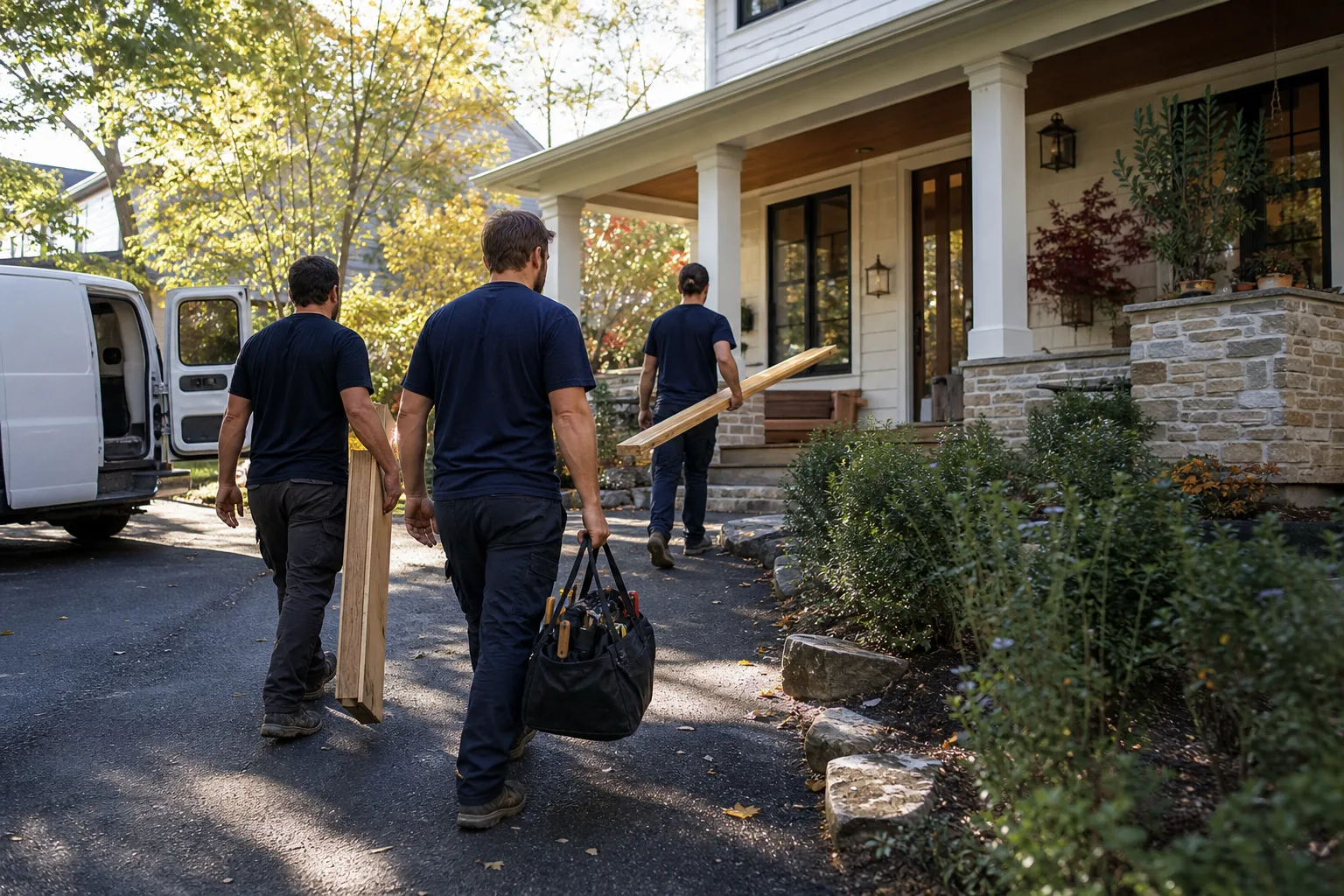
- Ask who’s coming to the house. Background-checked, uniformed technicians on every job means you know who’s walking through the door with the family and pets in the house.
- Insist on a named-brand materials list. Cabinets from KraftMaid or Wellborn, countertops from Cambria or Silestone, fixtures from Kohler, Moen, or Grohe. Brand names travel with their own warranties – and those warranties require documentation you already have.
None of this is exotic. It’s the minimum a Spring Valley bathroom remodel should include. If you’re also planning a kitchen project, the same documentation standard applies on our Kitchen Remodeling in Spring Valley page. For the broader structure of a project, our General Contractor in Spring Valley guide covers permits, sequencing, and inspections. And for the way we approach a project end to end, from the Elmstead Remodeling Spring Valley home page outward, the constant is that we document the layers nobody sees. Cabinets, surfaces, and fixtures from the brands we work with carry their own data sheets and warranties because we want you to be able to hold the paperwork in your hand – not hear about it.
Common Mistakes to Avoid
- Replacing grout without finding the crack’s cause. The grout wasn’t the problem; the joint beneath it was. If you don’t tape and bed the panel joint, the new grout will crack on the same schedule.
- Skipping the flood test. Twenty-four hours of water in the pan before tile is the cheapest insurance in the whole project. Skip it and you find out in monsoon season.
- Sealing a shower pan that’s already leaking. Surface sealers trap water inside the assembly rather than keeping it out. The leak finds a new path to the drywall or the subfloor.
- Assuming a slow drain will clear itself. Thinset doesn’t dissolve. It hardens in the trap and compounds. Call it in the first two weeks, not the sixth month.
- Accepting a verbal warranty. “We back our work” means nothing at the NSCB. A written workmanship commitment with a stated term is what a complaint investigator wants to see.
- Not photographing the waterproofing before tile. The single best piece of evidence in any post-remodel dispute is a photo of the layer that got covered. If the contractor didn’t take it, take it yourself.
- Letting a contractor touch your home’s quiet hours. A crew that starts tiling at 7 a.m. in a house with a sleeping toddler isn’t a small annoyance. It’s a sign of how carefully the rest of the job will be handled.
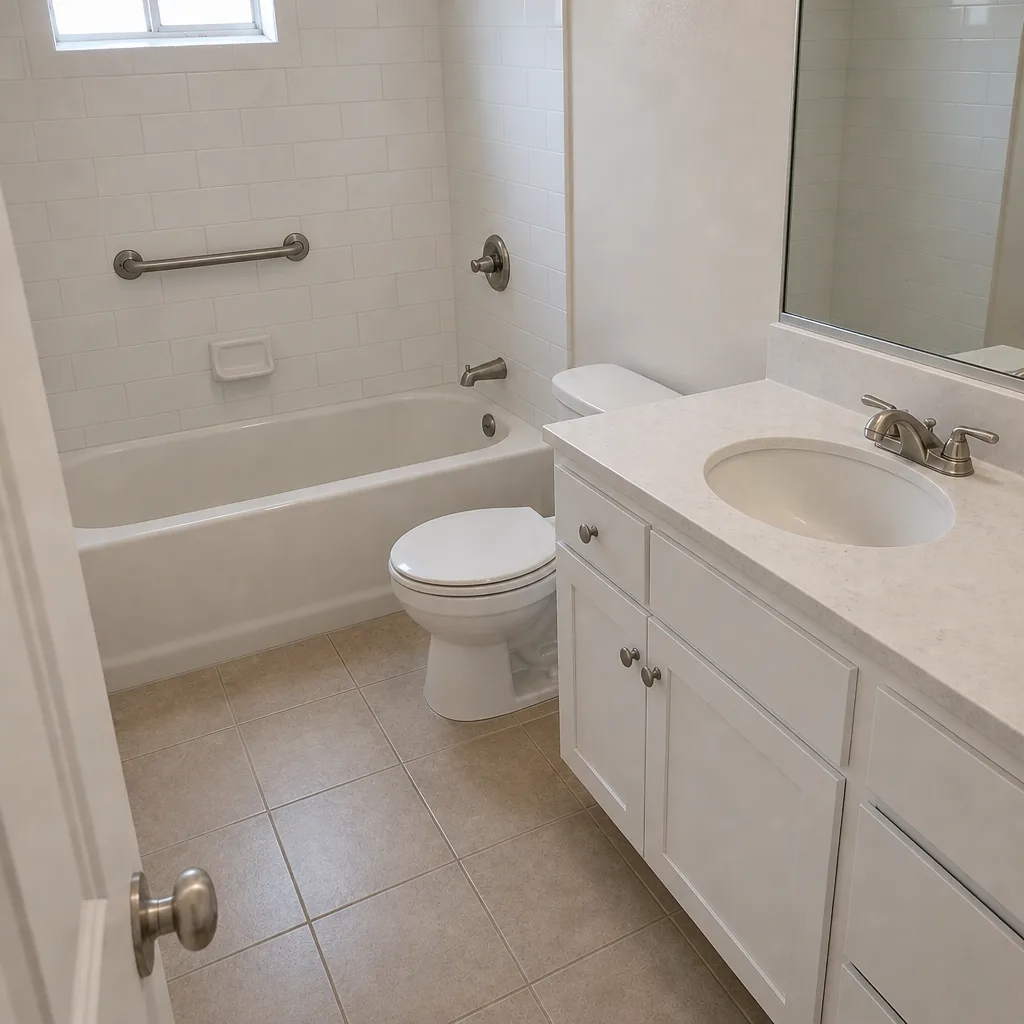
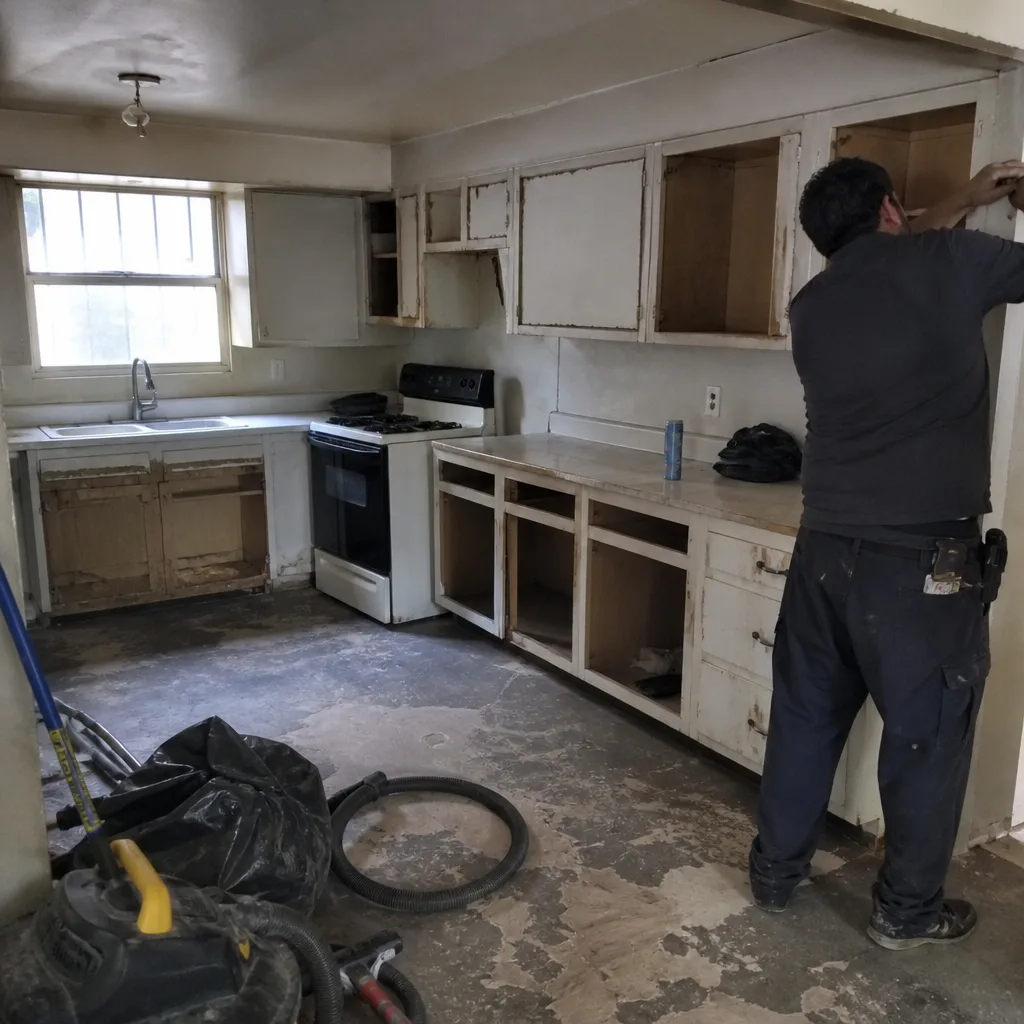
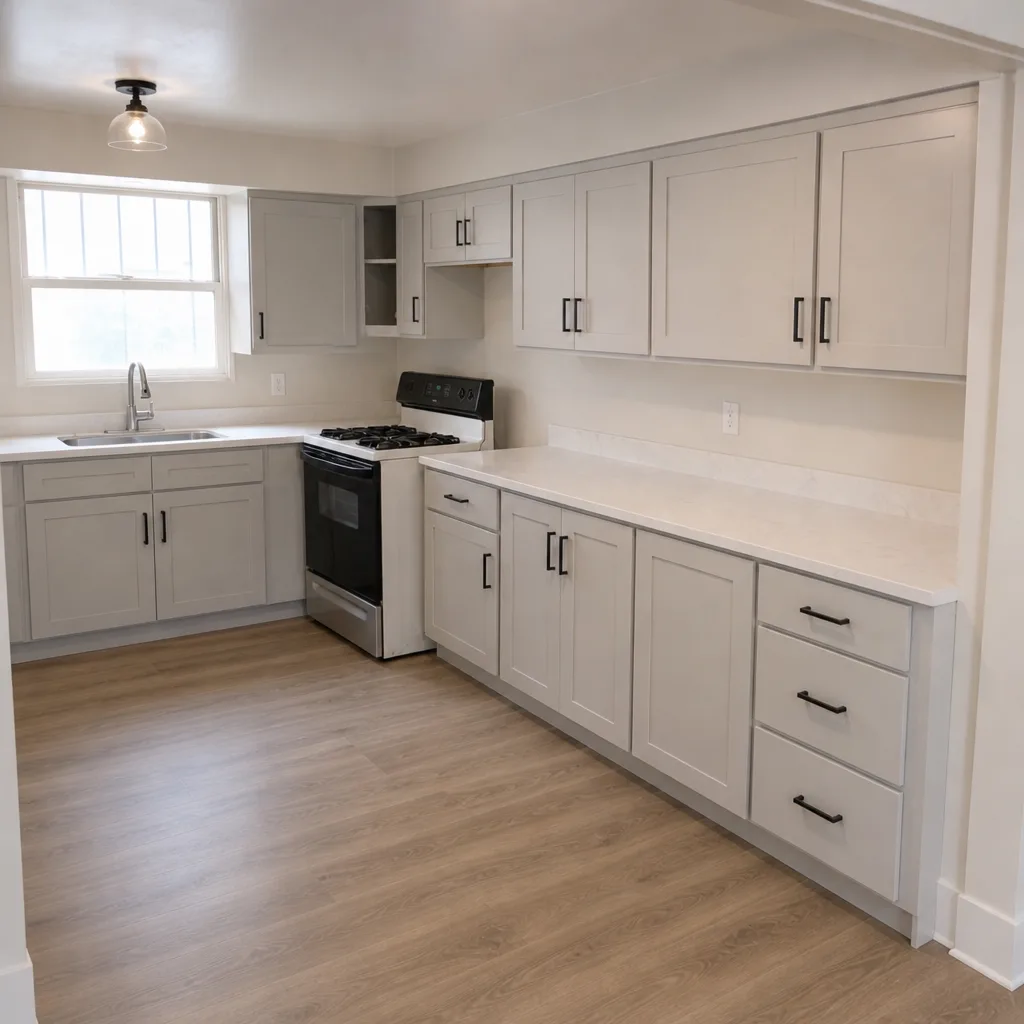
See the difference
 Before
 After
 Before
 After
 Before
 After
When to Call a Professional
Call someone when the symptom crosses from cosmetic to structural. Grout cracking along a single seam, a slow drain you’ve already snaked once, a moisture meter reading above 15% in the room behind the shower, or a shower pan that fails a flood test – all of those need a professional diagnosis. The tricky part is a membrane leak that shows no visible damage yet. A moisture reading at the adjacent wall catches it before the subfloor rot does. Elmstead Remodeling Spring Valley offers free estimates in Spring Valley – call (844) 320-4882. We’ll bring a moisture meter, run the flood test with you, and tell you in writing what we find. The written price comes before any work starts. That’s the standard, on every project, every time.
Frequently Asked Questions
A well-built bathroom should go 20 years or more before a waterproofing failure, though grout may need refreshing around year 8 to 12. If you’re seeing tile or membrane problems in the first 2 years, the cause is almost always installation, not age. That’s why the 365-Day Done Right Promise matters – if something isn’t right after the job is complete, the contractor should make it right. Call (844) 320-4882 for a free evaluation.
No – surface sealers don’t stop water that has already entered the assembly. Caulking a crack in the shower floor temporarily hides it while water continues to travel to the drywall behind or the subfloor below. A failed pan needs the tile and membrane opened and tested, not sealed. Call (844) 320-4882 to schedule a free estimate on the repair.
Most Spring Valley homes land between 45 and 80 psi, and it varies by neighborhood relative to pressure-reducing stations. If pressure dropped noticeably after a fixture swap, the cause is usually debris in the shut-off valve or aerator, not the new Kohler or Moen fixture. Call (844) 320-4882 for a diagnosis before replacing parts.
It shouldn’t. We give a written price before any work starts, and that price holds unless you approve a change in scope. If a contractor’s estimate grows after the crew arrives, get the additional work itemized in writing before agreeing to it. Every project we take on is priced up front, in writing. Call (844) 320-4882 for a free, fixed quote.
Yes. Bathroom remodels and repairs that involve plumbing, electrical, or structural work fall under Clark County permitting, and permits should be pulled and inspections passed before the work is closed out. Ask any contractor for the permit number and the final inspection report. Call (844) 320-4882 for a free estimate that includes the permit process in the scope.
Photos of the waterproofing before tile, photos of the substrate, inspection sign-off copies, product data sheets, a written scope, and warranty terms in writing. If you didn’t receive these, request them. They’re what any NSCB complaint or warranty claim will ask for. Call (844) 320-4882 to ask what’s included on your project.
The Bottom Line
Post-remodel bathroom problems almost always trace to the hidden layer. Grout cracking is a movement problem. A failed shower pan is a membrane problem. Slow drains and low pressure are debris problems. And every one of those is easier to fix when the contractor documented the waterproofing, substrate, and inspection before it was covered. Ask for the photo binder, insist on the flood test, and hold onto the written price and warranty terms. If a Spring Valley contractor won’t hand those over, that’s your answer about how the next repair will go. When you’re ready to troubleshoot with a crew that documents what’s underneath, our team is a call away.
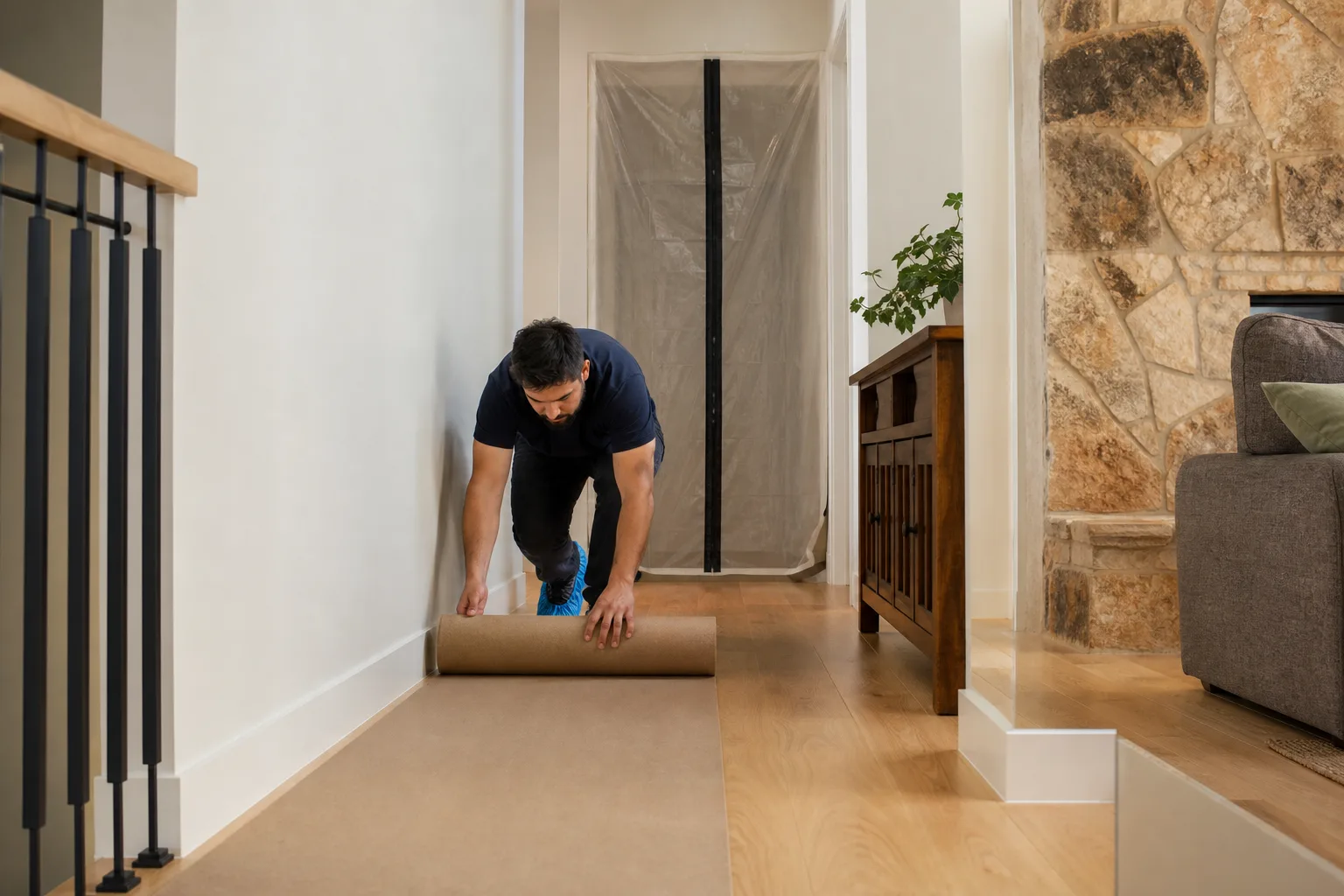
Elmstead Remodeling Spring Valley provides general contracting and bathroom remodeling with a written price before work starts, background-checked uniformed technicians, drop cloths and shoe covers on every visit, a photo of the finished clean-up, and the 365-Day Done Right Promise on every completed project. Our technicians have up to 21 years of experience. Call (844) 320-4882 for a free estimate.
Written by the team at Elmstead Remodeling Spring Valley.