Last updated November 18, 2026



Free written scope consultation - allowances, timeline, and change-order rules on paper before a single trade is scheduled
Choosing the Right Construction Brand: A Buyer’s Guide for Spring Valley
When a contractor lists “tile” on a contract without naming a brand or series, the homeowner has agreed to pay a fixed price for an unspecified product. That single line changes the incentive: the crew’s job becomes sourcing whatever margin is highest at the moment of purchase, not whatever performs best on a south-facing Spring Valley patio. We’ve watched this play out on remodels across the valley, and it almost never surfaces until a year or two after the punch list is signed. This guide teaches you how to evaluate the material brands behind a contract before you sign it, not after the wall is closed up. You’ll learn what named-brand specification means legally, how to read roofing and surface ratings for Clark County’s climate, and what to ask so a substitution can’t slide through quietly.
Quick Answer
For Spring Valley homeowners, the right construction brand is the one named in your written contract by manufacturer and product line, backed by a third-party rating that matches where it’s installed, and covered by a warranty you can verify. A contract that names KraftMaid cabinets, James Hardie siding, or a specific GAF roofing system gives you a counterparty to hold accountable. A contract that says “tile” or “cabinets” gives you nothing you can enforce.
Styles & brands we work with
- Kitchen remodeling
- Bathroom remodeling
- Home additions & ADU
- Roofing
- Windows & doors
- Driveway & pavers
- Fence
Table of Contents
- Why the Brand on Your Contract Matters More Than the Brand on the Showroom Floor
- Roofing Brands and Clark County’s UV and Thermal Cycling
- Cabinet and Countertop Brand Tiers, Explained Without Loyalty Bias
- How to Verify a Tile or Flooring Product Is Rated for Its Install
- Fencing and Cladding Brands in Spring Valley’s Sun and Wind
- How Elmstead’s Named-Brand Material Policy Works in Practice
- A Step-by-Step Way to Verify a Brand Before You Sign
- Common Mistakes to Avoid
Why the Brand on Your Contract Matters More Than the Brand on the Showroom Floor
A brand name in a showroom is marketing. A brand name in a signed contract is a legal specification, and that distinction is the whole game. When your agreement reads “60 sq ft of porcelain tile, color TBD,” the contractor has reserved the right to source any product that meets a vague description. When it reads “Daltile Storybook mosaic, $22/sq ft allowance,” the substitution requires your written approval, and a change in price and performance is documented before it happens.
Here’s the language worth insisting on, worded plainly enough to fit a standard remodel agreement:
- Manufacturer and product line, not category. “James Hardie HardiePlank lap siding, ColorPlus, specific color” instead of “fiber cement siding.”
- Substitution clause in writing. Any product swap requires the homeowner’s written approval before purchase, with the reason and the price delta spelled out.
- Allowance amounts stated in dollars. If the budget allows a choice within a tier, the allowance belongs on the page, not in a verbal conversation.
- Warranty holder named. The contract should say who holds the manufacturer warranty and how it transfers to you at project completion.
In Spring Valley, this matters because certain products fail badly here. A builder-grade cabinet line that holds up fine in a shaded kitchen can delaminate when it sits against a west-facing wall that sees 115°F summer afternoons. We’ve seen the performance gap show up in two to three years, and by then the only remedy is replacement. The written brand is the difference between a product with a warranty that engineers tested for this climate and one that only looked right in the showroom.
Roofing Brands and Clark County’s UV and Thermal Cycling
Spring Valley’s roof climate is genuinely hard. UV exposure here is among the highest in the country, and the summer-to-winter temperature swing forces roofs to expand and contract hundreds of times over their life. That combination is what kills underperforming shingles and what makes a third-party rating more useful than a brand promise. Two ratings deserve your attention:
- Class 4 impact rating. This is UL 2218, a lab test where a steel ball is dropped from a set height to simulate hail. Class 4 is the top rating. In a valley where spring and monsoon storms can bring hail, this is the number that determines whether a manufacturer warranty covers impact damage or excludes it.
- Cool roof certification. This is a third-party measurement of solar reflectance and thermal emittance, usually under the Cool Roof Rating Council or ENERGY STAR program. A cool-rated roof reflects more sunlight, which lowers attic heat load and can trim cooling costs. In Spring Valley, that’s not a marketing perk; it’s a measurable effect on your summer power bill.
Brand matters because the shingle system must be installed as a system. GAF, for example, ties its top warranty tiers to a complete system of underlayment, starter strip, field shingle, and ridge cap, installed by a contractor who completes the manufacturer’s certification. A roof assembled from mixed-brand components voids much of that coverage. In our experience, the most common warranty denials on Spring Valley roofs come not from a bad shingle but from a missing component in the system.
Ask the contractor three things before signing: which manufacturer’s system you’re buying, whether the installation completes a manufacturer-backed warranty, and what the third-party Class rating and cool-roof reflectance numbers are. If any of those come back vague, you haven’t finished shopping.
Cabinet and Countertop Brand Tiers, Explained Without Loyalty Bias
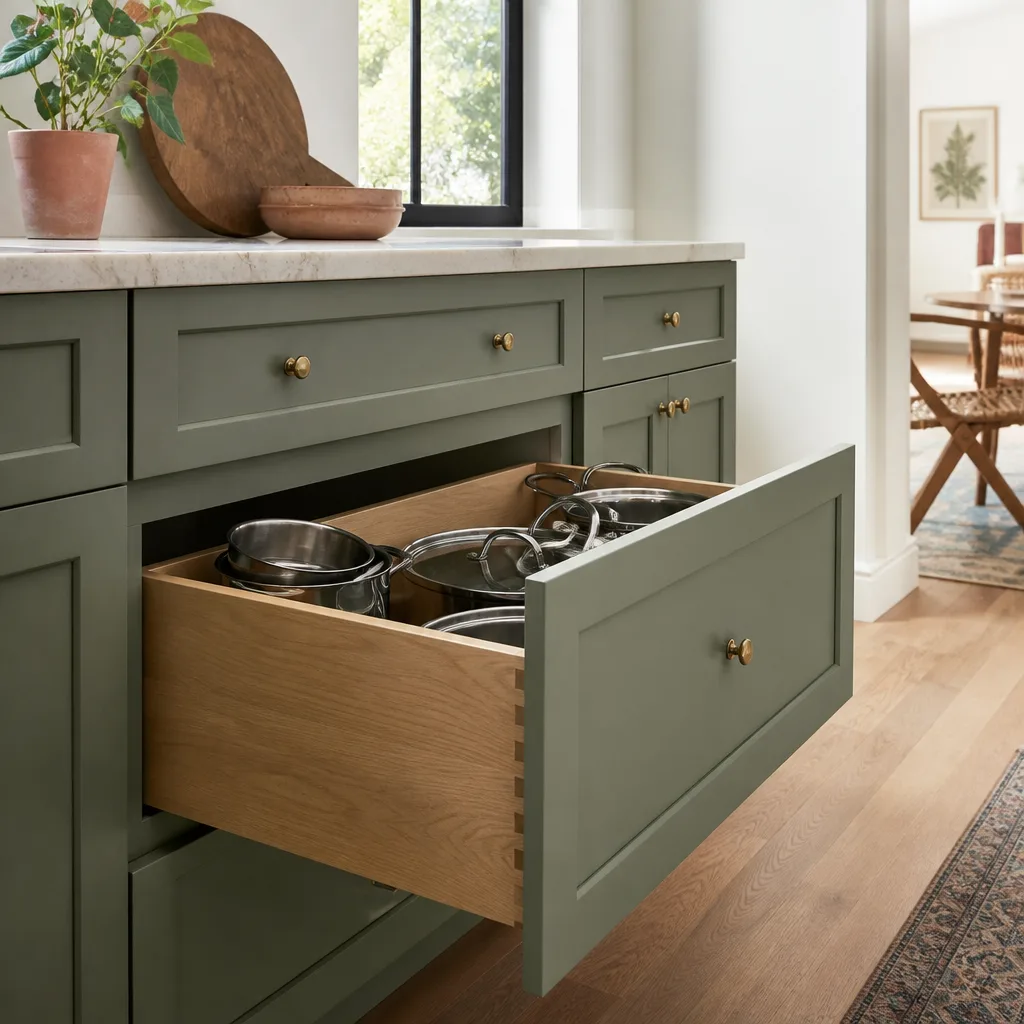
Cabinet construction has four parts that determine how long a unit lasts: the box material, the joinery, the drawer glide, and the finish. Builder-grade cabinets typically use particleboard boxes with stapled or doweled corners, stapled plywood or particleboard drawer boxes on nylon or economy slides, and a paper or low-pressure laminate finish. Named mid-grade lines, like KraftMaid or Wellborn, generally use plywood or higher-density boxes with glued and doweled or dovetailed corners, solid wood or plywood drawer boxes on steel ball-bearing glides, and a factory-applied catalyzed finish. That last detail matters most in a Spring Valley kitchen where afternoon sun hits a west wall: a factory finish resists UV fading far better than a sprayed-on site finish.
The performance gap appears in three places over time:
- Door and drawer alignment after two or three humid monsoon seasons. Steel glides and doweled corners hold; staples give.
- Finish fading and chipping on sun-facing panels, especially in single-story homes where upper cabinets sit under a west window.
- Warranty coverage. Named lines carry manufacturer warranties that survive the contractor leaving. Builder-grade boxes usually carry nothing beyond what the installer offers in writing, if anything.
Countertops follow a similar logic. Cambria and Silestone are engineered quartz brands with consistent composition, published care requirements, and manufacturer warranties. A generic “quartz” line may be fine, but the composition and the warranty holder are unknown until named. Our kitchen remodeling in Spring Valley projects specify by brand and line so the homeowner can research the product before agreeing to it, not after the countertop template is cut.
How to Verify a Tile or Flooring Product Is Rated for Its Install
A showroom sales claim is not a rating. The tile on a Spring Valley patio or in a tub surround must be rated for that exact environment, and that rating comes from the manufacturer’s technical data sheet, not the salesperson. Use these steps before you approve any tile or flooring choice:
- Get the manufacturer and series name. Ask for the product code, not just “the gray one.”
- Find the technical data sheet. Every reputable manufacturer publishes one with coefficients of friction, water absorption, PEI abrasion class, and whether the product is rated for exterior or wet areas.
- Confirm the exterior rating. Exterior tile requires a freeze-thaw rating if it sits on a slab or patio; Spring Valley’s occasional winter freezes and summer heat cycling stress it. An interior tile used on a patio will crack within a few seasons.
- Check the wet-area rating. For shower floors and tub surrounds, the water absorption percentage and the slip rating (DCOF) belong on the sheet, and the installer should confirm them in writing.
- Confirm the radiant-heat rating. If the floor carries a heated mat, the tile must be rated for thermal cycling, and the thinset must be specified for that use.
Schluter is a good example of a system brand worth asking about by name. It manufactures the uncoupling membrane, waterproofing, and edge trim that determine whether a tile floor over a slab survives the thermal movement in a Spring Valley home. A builder who names the tile brand but not the waterproofing system has only answered half the question, and the waterproofing is the half that determines whether you get a leak in the wall in three years. We specify Schluter systems on wet-area installs for that reason, and we list it on the contract so the homeowner has the same data sheet we do.
Fencing and Cladding Brands in Spring Valley’s Sun and Wind
Spring Valley’s UV load and spring wind gusts can strip a cheap fence faster than most homeowners expect. The material brand matters because the coating and the warranty travel with the finished fence. On any fence or gate project, ask which manufacturer is behind it. Master Halco supplies post and rail components whose warranty relies on proper post spacing and concrete setting, and Ameristar steel and ornamental lines carry factory coatings rated for sun exposure. Jerith aluminum fencing and Bufftech vinyl fencing are two other brands worth researching by name, because their performance data and warranty terms are published and can be checked before you sign.
If your siding is part of the scope, the same reasoning applies. James Hardie fiber cement siding is engineered for climates with high UV and large temperature swings and carries factory finish warranties when installed by a certified contractor. A generic “fiber cement” line may perform acceptably, but the finish and warranty can differ substantially. Spring Valley winters bring occasional freezes that swell wood products and stress unprotected surfaces, so a factory finish on a named product is more defensible than a field-applied paint coat.
How Elmstead’s Named-Brand Material Policy Works in Practice
At Elmstead Remodeling, a Cedarwell company, the written price and the material specification live on the same page. When we quote a project in Spring Valley, the contract names the product brands by manufacturer and line, and the price reflects that specification rather than leaving it open for a later “surprise” substitution. Our default material partners include KraftMaid and Wellborn for cabinets, Cambria, Silestone, and Caesarstone for countertops, Kohler, Moen, and Grohe for fixtures, James Hardie for exteriors, GAF for roofing, and Schluter for tile systems. These are brands our customers can research independently, with warranty terms they can verify before agreeing to them.
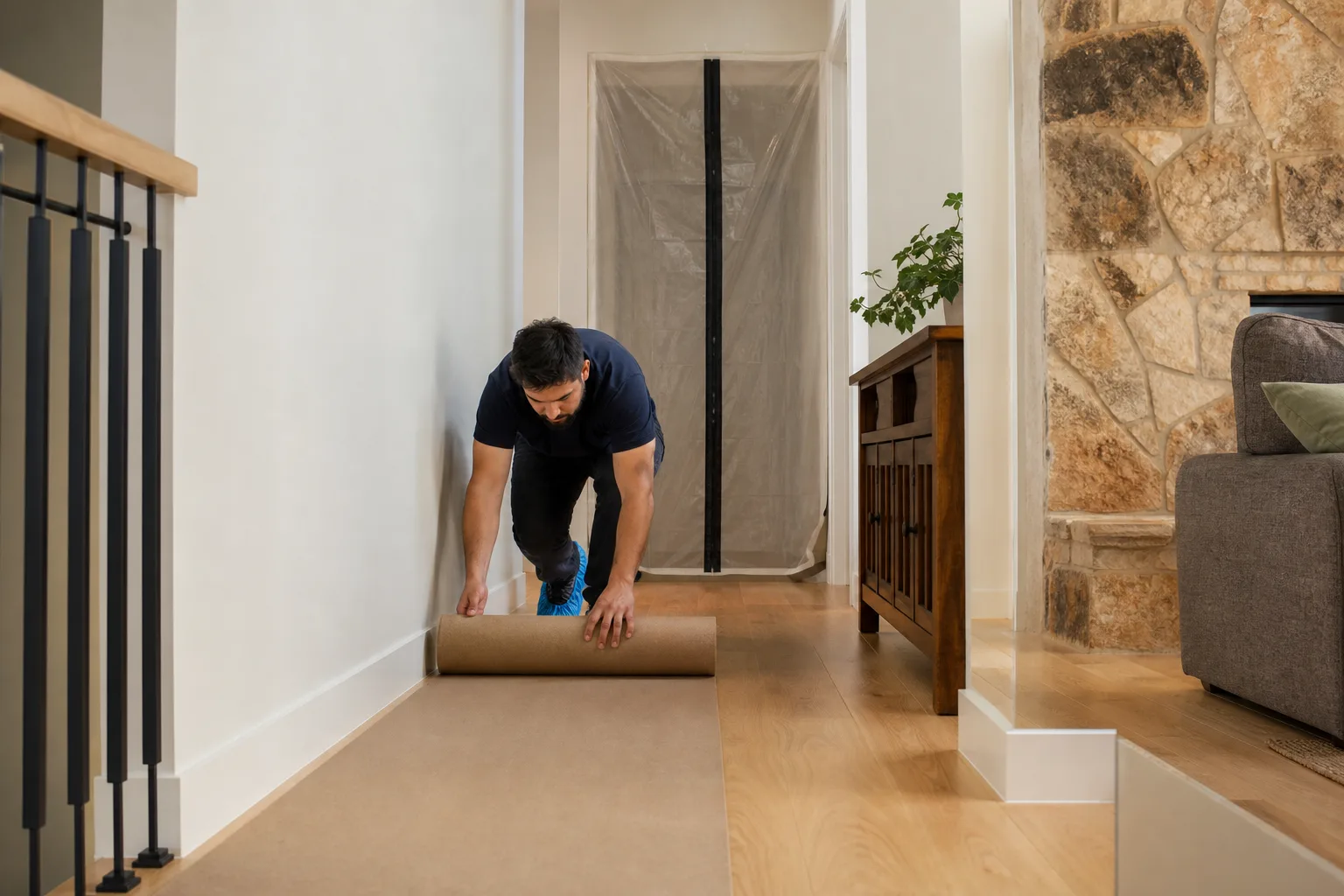
When a substitution is necessary, whether because of a stock issue or a customer preference change, we propose it in writing with the reason and the price delta, and the homeowner approves it before we order. That’s part of how we keep our written price honest: it’s given before any work starts, and it doesn’t grow once the crew is in the house. The Cedarwell Care Promise governs every project, which means shoe covers and drop cloths inside, a photo of the clean-up before the crew leaves, quiet tools during family rest hours where possible, and pet-safe product choices where there’s a choice. Our background-checked technicians have up to 21 years of experience, and every project is covered by our 365-Day Done Right Promise: if it’s not done right after the job is complete, we make it right. The phones are answered by a live person around the clock, and you can read more about how we approach this work on our Elmstead Remodeling Spring Valley home page.
A Step-by-Step Way to Verify a Brand Before You Sign
This is the same sequence we recommend to any Spring Valley homeowner evaluating a contractor’s proposal, whether or not they hire us. It takes about an hour of research and catches most of the material problems before they cost real money.
- Read the contract for named brands and product lines. Every material category should name a manufacturer, not a generic type. If it doesn’t, ask for that language before signing.
- Look up the manufacturer’s warranty. Confirm what it covers, how long it lasts, and whether it transfers to you at completion. Watch for exclusions around installation and substrate.
- Find the third-party rating that matches your install. Roofing needs Class 4 and cool-roof data. Tile needs an exterior or wet-area rating. Cabinets need a finish and glide specification.
- Ask how substitutions are handled. Get the process in writing: who approves, how the price delta is documented, and what happens if the product is discontinued.
- Ask about the installation system, not just the product. A GAF shingle system and a Schluter tile system each require their companion components. The brand on the box doesn’t help if the underlayment or waterproofing is generic.
- Match the product to where it will live. A south-facing Spring Valley wall, a west-facing patio, and a shaded interior wall are three different environments. The right brand for one may be the wrong brand for another.
This sequence works whether you’re reviewing a general contractor in Spring Valley proposal, a single-room remodel, or a whole-home scope. It’s also worth using on existing materials before a renovation, so you know what you’re working with.
Common Mistakes to Avoid
- Accepting “tile” or “cabinets” on a contract as a category. A category gives the contractor purchasing latitude you’ve already paid for. Demand manufacturer and product line before you sign.
- Trusting a showroom salesperson’s rating claim. The technical data sheet is the only source that matters, and it’s published by the manufacturer. If it’s not on the sheet, it’s not a rating.
- Ignoring installation system brands in favor of product brands. A premium tile over generic thinset and no waterproofing is a warranty denial waiting to happen, especially in Spring Valley’s wet-area installs where slab movement is real.
- Choosing a roofing product without a cool-roof or Class 4 rating. Spring Valley’s UV exposure and spring hail make those ratings the difference between a covered warranty claim and an out-of-pocket roof.
- Assuming all quartz countertops are equivalent. Composition, finish, and warranty vary substantially across brands. Name the brand so you know what you’re buying.
- Neglecting the fence. A fence is a material purchase too. Ask which manufacturer is behind the post, rail, and coating, and confirm the warranty was written for desert sun.
- Accepting a verbal substitution promise. If the crew says “we’ll use a better product if the first is out of stock,” get that in writing with the price delta and the approval process stated. Verbal promises don’t survive the punch list.
See the difference
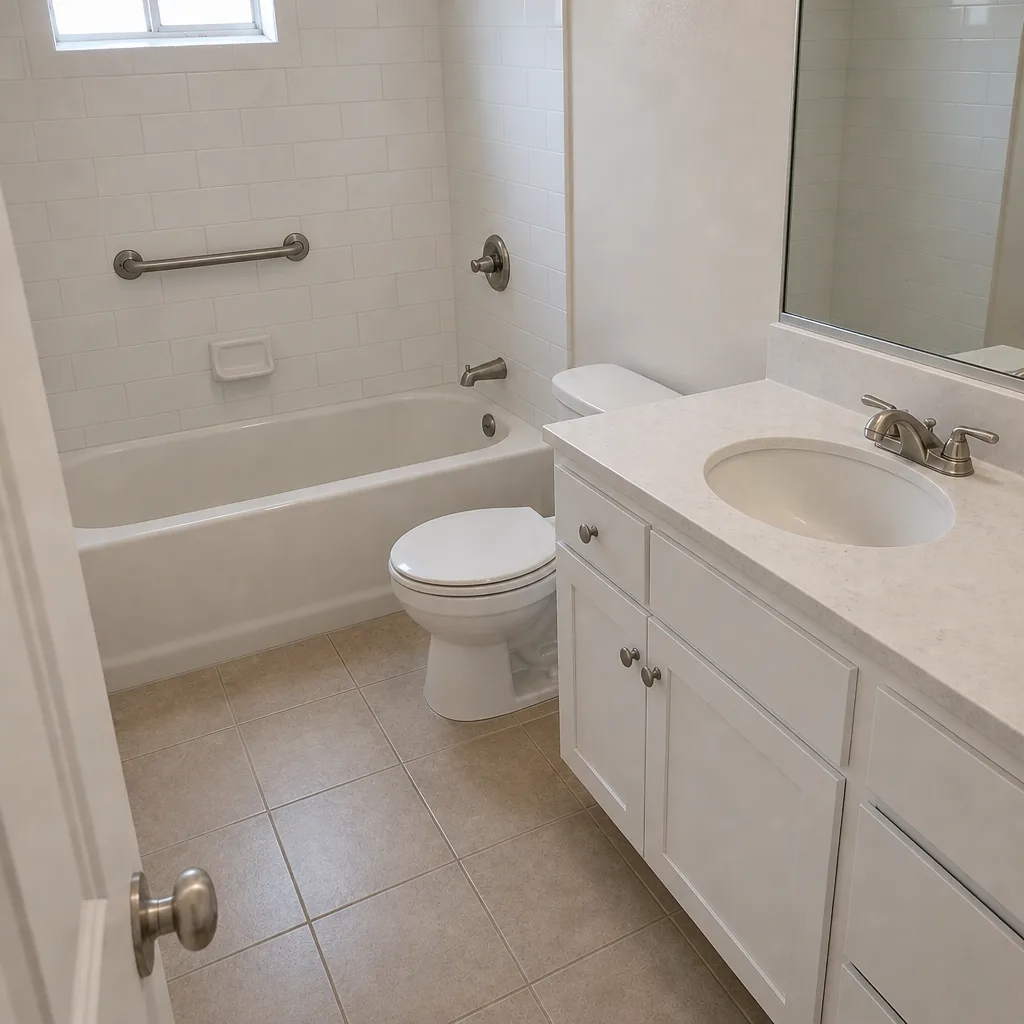
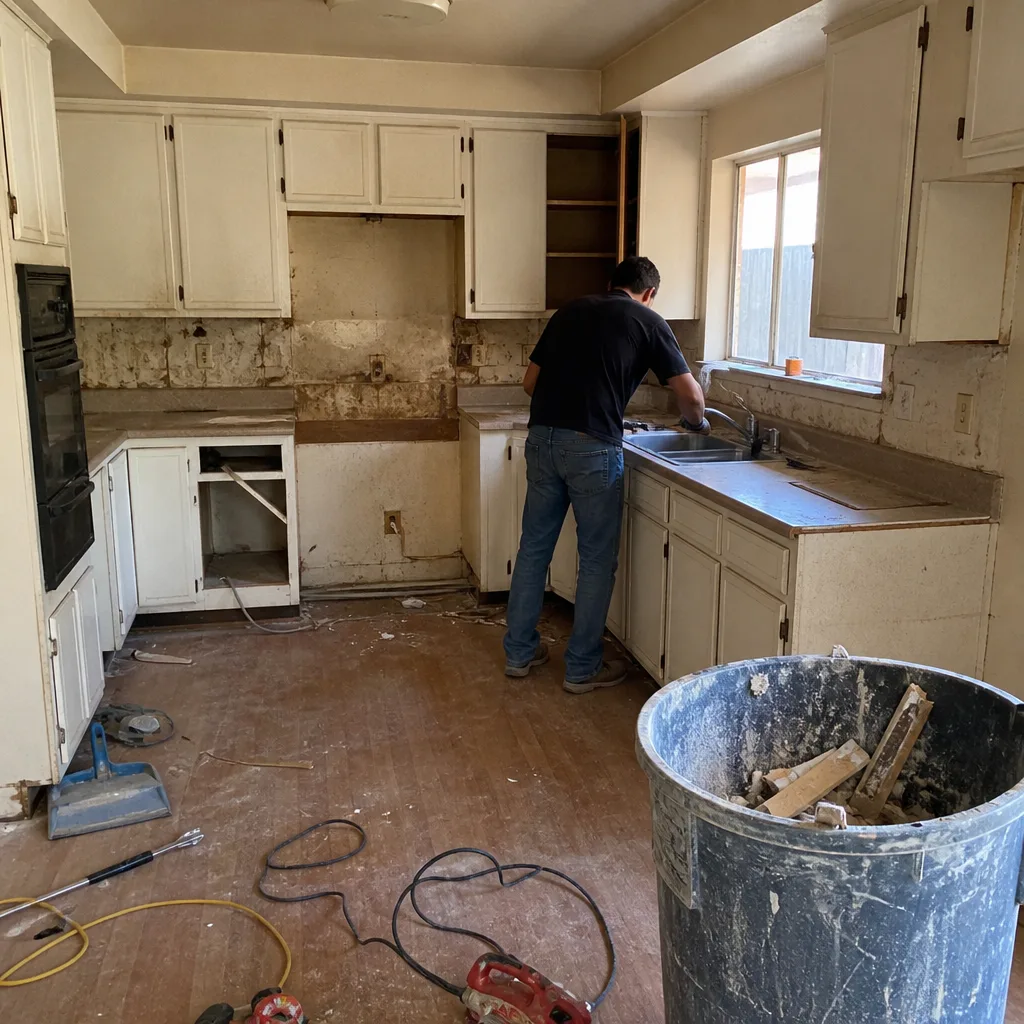 Before
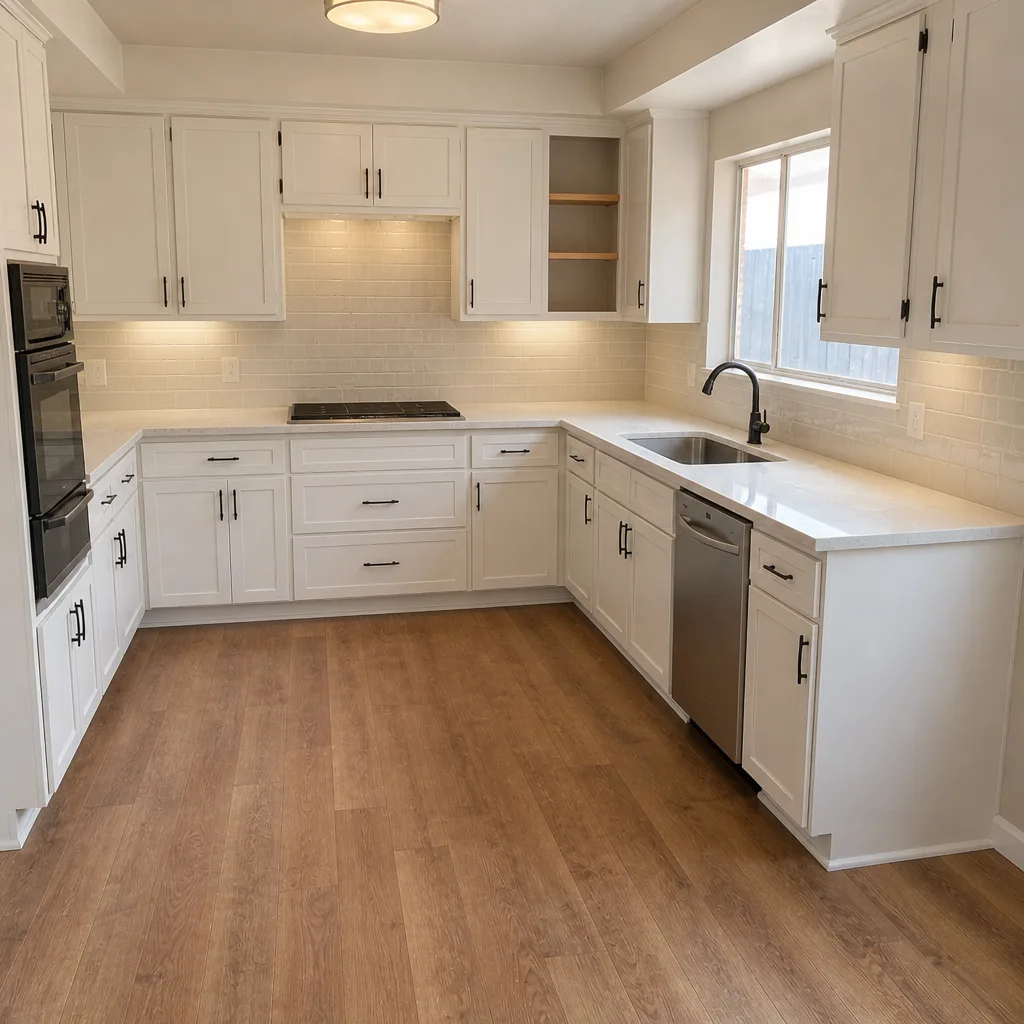 After
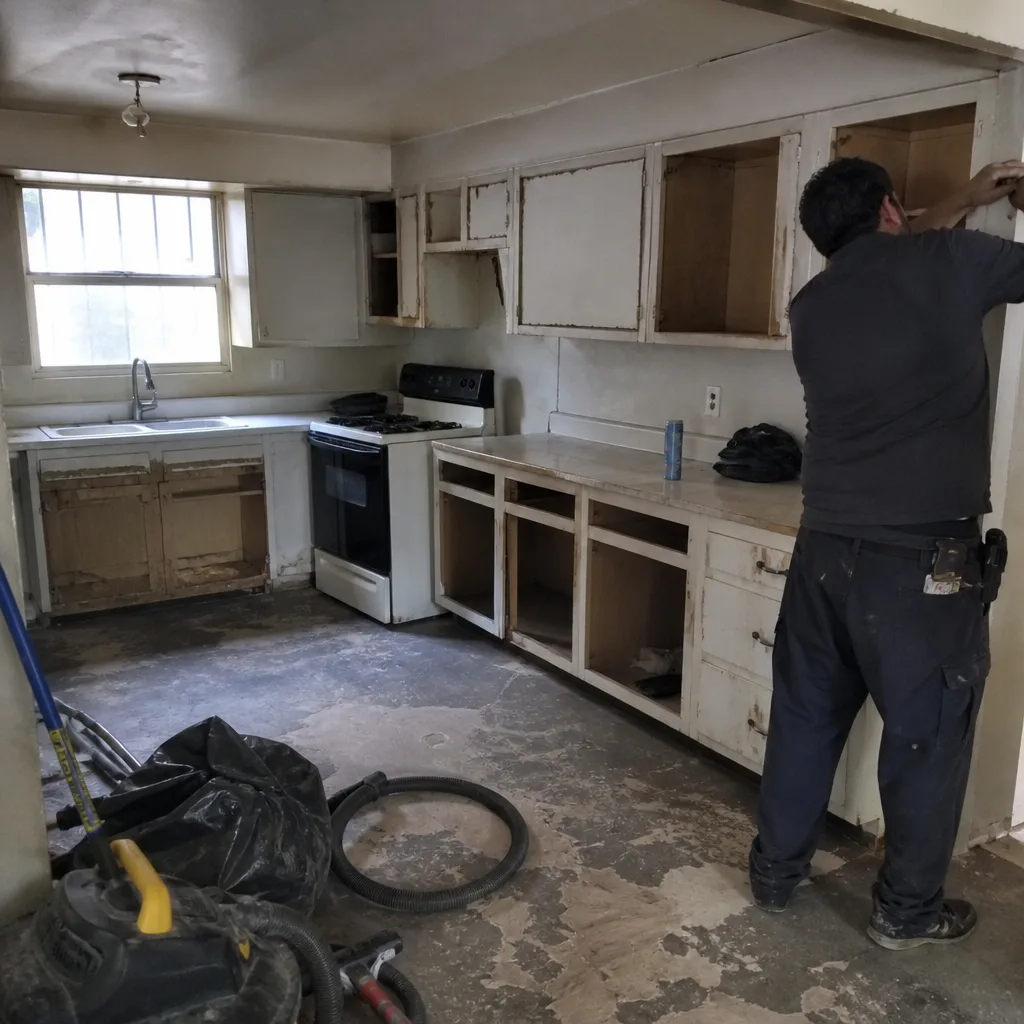
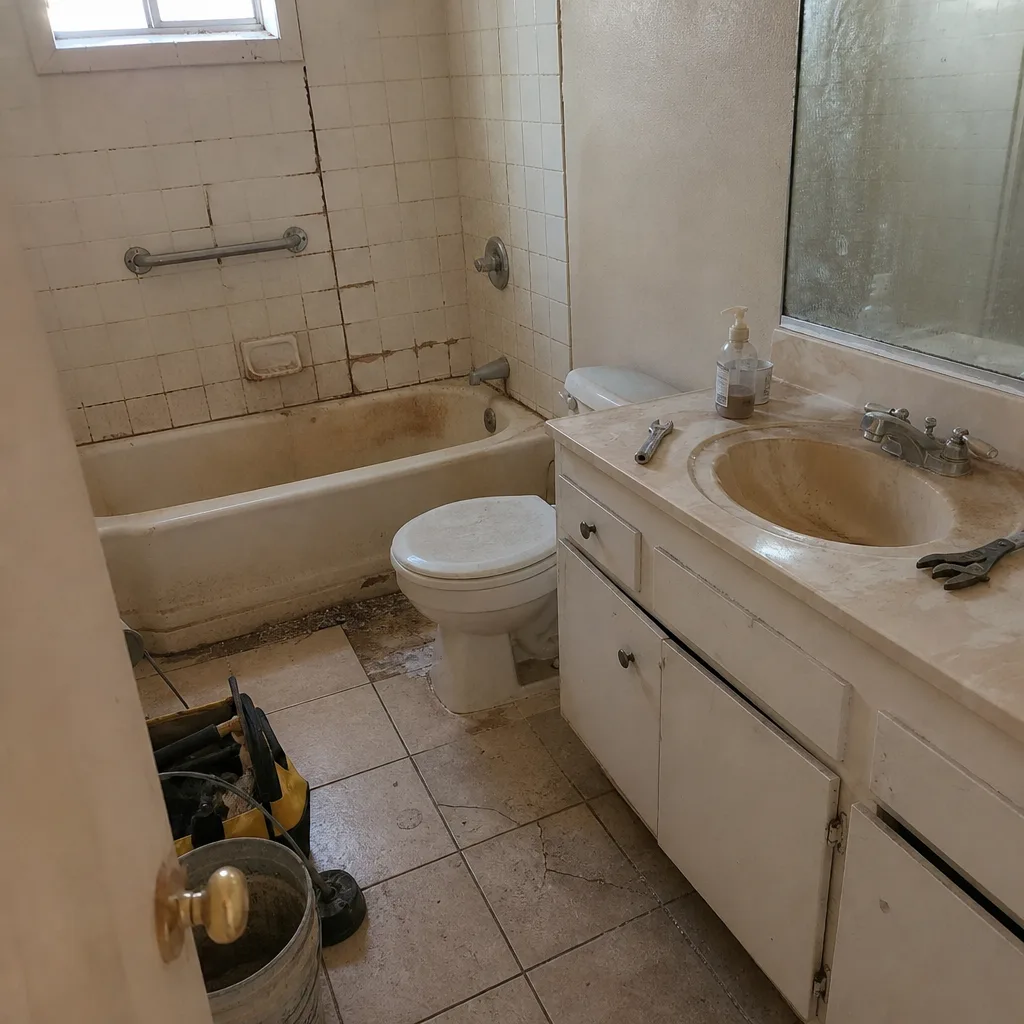 Before
 After
 Before
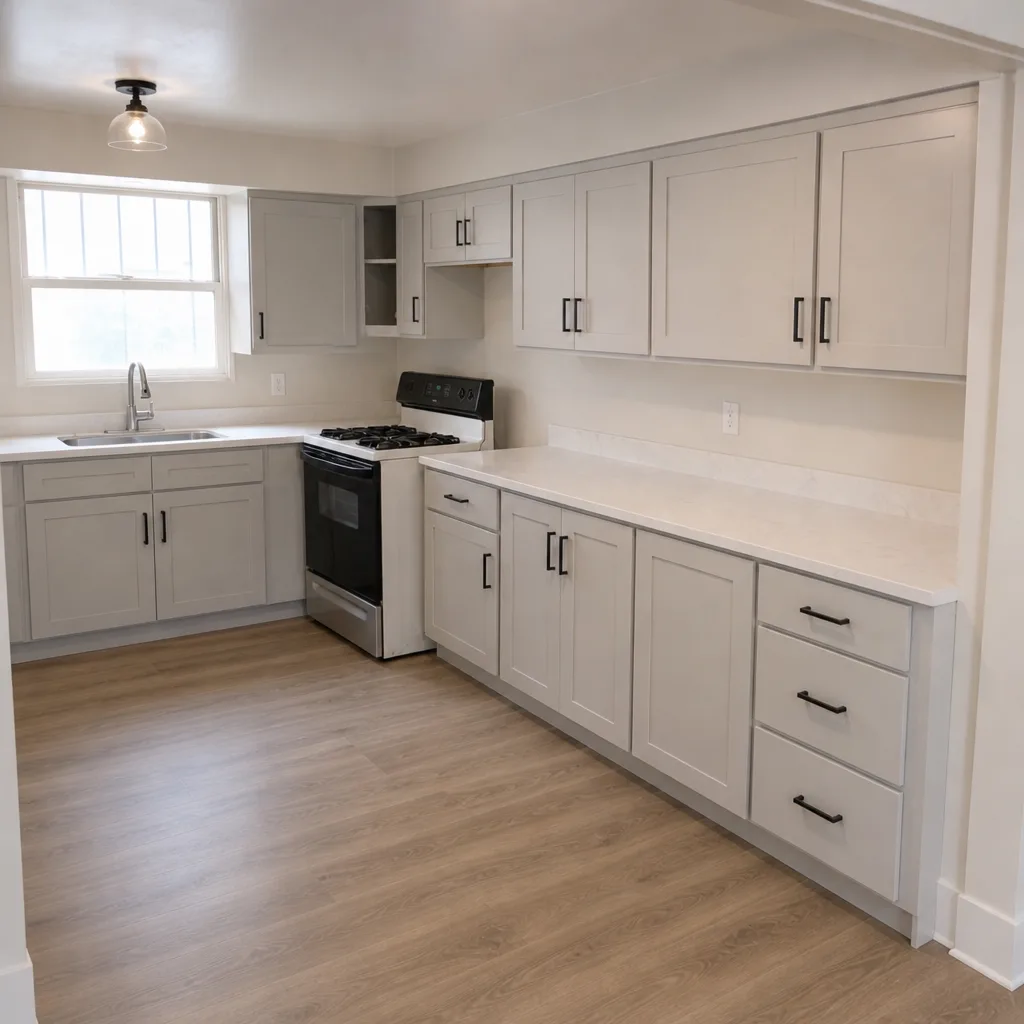 After
When to Call a Professional
Some material questions can be answered on your own. Others reach a point where a professional’s judgment saves more than it costs. Call us when a contract lists generic categories and you want a second read before signing, when a product’s warranty excludes the install in your home, when the scope involves roofing or tile systems where the installation manufacturer matters, or when you’re choosing between a mid-grade named line and a builder-grade substitute and want the performance difference spelled out for Spring Valley’s climate. We also help when a contractor proposes a substitution mid-project and you need the process documented. Elmstead Remodeling Spring Valley offers free estimates in Spring Valley, and our written price includes the material specification rather than leaving it open. Call (844) 320-4882 and we’ll walk through your project with you.
Frequently Asked Questions
There’s no single best brand for every material category; the right brand depends on the product and the install. For Spring Valley’s UV and thermal cycling, brands with published third-party ratings and verifiable warranty terms are the right starting point: KraftMaid and Wellborn for cabinets, Cambria and Silestone for countertops, James Hardie for exteriors, GAF for roofing, and Schluter for tile systems. Call (844) 320-4882 for an exact quote on your project; estimates are free.
A product description is not enough. A description like “porcelain tile” or “quartz countertop” gives the contractor ambiguous latitude to source what’s cheapest or available, while a named brand and product line makes any substitution require your written approval. Ask for manufacturer and product line before you sign, and get the substitution process in writing. Call (844) 320-4882 if you’d like us to review your contract language.
Check the manufacturer’s published technical data sheet, not the showroom signage. The sheet lists water absorption, DCOF slip rating, and whether the product is rated for exterior or wet-area installs. If the sheet isn’t provided or the salesperson can’t produce it, treat that as a red flag. Call (844) 320-4882 for help reading a data sheet on a Spring Valley project.
Yes, and often in ways that favor the contractor. Without a named brand, the price is set against an unspecified product, which means the crew can choose material at the time of purchase based on margin rather than performance. With a named brand in the contract, any substitution should come with written approval and a documented price delta. Elmstead Remodeling provides a written price before any work starts, always. Call (844) 320-4882 for a free estimate.
Yes. Permits are pulled and inspections passed on projects that require them under Clark County code, and the permit record documents the inspection history for your home. We include permit work in the written scope so you know what will be inspected and when. Call (844) 320-4882 to discuss your Spring Valley project.
Brand specification usually runs through the design phase alongside material selection, and most of the work happens before demolition rather than during construction. Specifying brands early prevents the mid-project substitution scramble that costs weeks. Our bathroom remodeling in Spring Valley projects typically lock in fixtures and tile before the first wall comes down. Call (844) 320-4882 to schedule a walkthrough and start the specification process.
The Bottom Line
Brand names in a written contract are the warranty counterparty, the installation standard, and in Spring Valley, sometimes the difference between a product engineered for this climate and one that isn’t. Insist on manufacturer and product line in writing, verify the third-party rating for the actual install, check the warranty terms, and ask how substitutions are handled before you sign. A contract with named brands and a written price is one you can hold a contractor to; a contract without them is one you can only hope works out. If you want a second read on a Spring Valley proposal or a written quote that names every brand, we’re here for it.
Call Elmstead Remodeling Spring Valley at (844) 320-4882 to schedule your free estimate. We’ll put the material specification and the written price on the same page, before any work starts, and we’ll make it right under our 365-Day Done Right Promise if something isn’t what we promised.
Written by the team at Elmstead Remodeling Spring Valley.