Last updated November 18, 2026







Free written scope consultation - allowances, timeline, and change-order rules on paper before a single trade is scheduled
DIY vs Professional Home Remodeling: What’s Safe to Do Yourself
YouTube tutorials sort remodeling tasks by skill level. That’s the wrong sort. The more useful sorting is by what happens if the work is wrong. A confident beginner can wire a ceiling fan correctly and safely; a nervous one can mis-route a drain line that won’t show damage for two years, until the subfloor under the kitchen island turns soft. This guide sorts remodeling work by consequence instead of difficulty, so you can decide what to keep for a Saturday and what to hand off before the first hammer swing. We’ve watched both kinds of decisions play out across kitchens and bathrooms in Spring Valley, and the pattern is consistent.
Quick Answer
Low-consequence DIY is safe: painting, swapping cabinet hardware, installing a faucet, replacing light fixtures on an existing circuit. Medium-consequence work like tile, trim, and drywall is doable but unforgiving, and mistakes usually cost a weekend to fix. High-consequence work (structural changes, plumbing rough-in, electrical panel work, gas lines) is professional-only, both because it’s dangerous and because Nevada law requires a licensed contractor on permitted scopes. If a task will be inspected or buried behind a wall, it belongs to a professional.
Styles & brands we work with
- Kitchen remodeling
- Bathroom remodeling
- Home additions & ADU
- Roofing
- Windows & doors
- Driveway & pavers
- Fence
Table of Contents
- The Consequence Framework: Sorting Tasks by What Happens If They Fail
- Low-Consequence DIY: What’s Genuinely Safe to Do Yourself
- Medium-Consequence Work: Tile, Trim, and Drywall
- High-Consequence Work: Structural, Plumbing, and Electrical
- Nevada Permits: What Homeowners Legally Can’t Do Alone
- How Children and Pets Change the Risk Math
- The Hybrid Project: Where DIY and Professional Work Meet
- The Hidden Cost of a Half-Finished DIY
The Consequence Framework: Sorting Tasks by What Happens If They Fail
Difficulty ratings measure how hard a task is while you’re doing it. Consequence measures what it costs when it’s wrong. A task you can complete easily but that fails silently is more dangerous than a hard task you’ll immediately know you botched.
Sort every project into three tiers:
- Low consequence: You’ll see the failure within a day, and the fix costs a weekend or less. Painting a wall. Swapping a faucet. Hanging open shelving.
- Medium consequence: The failure shows up weeks or months later, and the repair costs real money but stays contained. A tile joint that cracks. A trim corner that opens up. Drywall seams that telegraph through paint.
- High consequence: The failure is hidden, expensive, dangerous, or all three. A drain that weeps into a subfloor. A misplaced header. A panel wired past its capacity. Damage here can run past the cost of the whole project.
Here’s the part most guides skip: the failure timeline matters as much as the failure cost. A bad backsplash shows itself in the grout line the first week. A bad shower pan liner shows itself in the ceiling below, usually a year or two later, and by then you’re replacing the pan, the subfloor, and possibly the joist ends. Moisture behind a wall is the single most expensive silent failure we see in Spring Valley bathrooms, and it almost never originates from a poorly hung towel bar.
Work that falls into the high-consequence tier and lives behind the walls or under the floor should always go to a licensed professional. Our general contractor in Spring Valley handles that tier on every project we run.
Low-Consequence DIY: What’s Genuinely Safe to Do Yourself
Painting is the classic low-consequence task and it earns that reputation. If a coat comes out streaky, you repaint the wall the next day. The one caveat is lead paint: homes built before 1978 can have it under multiple coats, and sanding without testing is a real hazard to children in the house. Test first if the home predates 1978.
Swapping cabinet hardware, drawer pulls, and knobs is safe for a novice with a drill and steady hands. Sanding and oiling butcher block, changing a toilet seat, and installing a new showerhead live in the same tier. So do light fixtures that replace an existing fixture on an existing circuit: turn the breaker off, verify with a non-contact tester, and swap fixture to fixture. Running a new circuit for a fixture is not low-consequence, and we’ll get to that.
- Painting walls, ceilings, trim, and doors (with a lead test on pre-1978 homes)
- Cabinet and drawer hardware swaps (measure twice; a misplaced hole in a painted cabinet is a small patch, not a disaster)
- Faucet replacement on existing supply lines (shut the valve, use tape or paste, check for weeping over the first 24 hours)
- Light fixture swaps on an existing junction box with existing wiring
- Caulking, grout touch-ups, and weatherstripping
- Closet organizers, open shelving into studs, and curtain hardware
One Spring Valley note: dry air most of the year makes paint dry fast and caulk skins over quickly, which helps a beginner. Storm-season humidity swings are the harder stretch, and caulk applied on a wet week can fail at the joint within a season. Time exterior caulking to a dry stretch.
If you’re planning a deeper change than a coat of paint, our Elmstead Remodeling Spring Valley home page covers the full range of what we build.
Medium-Consequence Work: Tile, Trim, and Drywall
Tile, trim, and drywall are where most confident homeowners get tested. The work doesn’t require a license or a specialist, and a patient beginner can get a good result. The catch is that every one of these trades punishes shortcuts with a visible flaw, and the flaw is expensive to undo.
Tile is the clearest example. A backsplash that’s set with the wrong thinset on the wrong substrate will pop loose at the edges within a year, and pulling failed tile tends to take the drywall behind it with it. A shower wall is a different universe from a backsplash: the waterproofing layer, slope, and cure times matter far more than the tile layout, and the failure is invisible until water reaches the framing. We treat shower tile as high-consequence work even though the surface looks the same.
Drywall finishing is a skill problem more than a safety problem. Taping, mudding, and feathering take a room and a half of practice before the finish is smooth enough that paint hides it. A DIY drywall job that isn’t feathered properly will show every seam under a raking light.
Trim work sits in the middle. Coping inside corners and getting miters tight is fussy, but a bad trim joint costs a few dollars in material and an afternoon.
- Doable with care: backsplash tile, trim carpentry, drywall patching under 4 square feet, crown molding on a simple run
- Borderline: full-room drywall, large-format tile, interior door hanging
- Treat as high-consequence: any shower or wet-area tile, floor tile over a heated substrate, tile over a questionable subfloor
Our bathroom remodeling in Spring Valley projects almost always start with us re-checking the waterproofing on any wall the previous owner tiled, because it’s the one failure that doesn’t announce itself.
High-Consequence Work: Structural, Plumbing, and Electrical
These are the tasks that stop being DIY the moment you understand what the failure looks like. High-consequence work splits into three families.
Structural. Removing a wall, adding a header, sistering a joist, or cutting a new opening in a load-bearing wall changes how the house carries weight. The failure is a sag or a crack that shows up across a whole room. Not a weekend job for anyone without framing experience, structural knowledge, and a plan reviewed by whoever signs off the permit.
Plumbing rough-in. Any new drain line, any new supply line, any relocation of a fixture. A weeping drain connection behind a wall is the most reliable route to a $15,000 repair, and the damage hides for months. We have opened walls in Spring Valley kitchens where the previous owner’s DIY drain connection had been seeping since before the pandemic.
Electrical. Replacing a switch or outlet on an existing circuit is fine for a careful homeowner who kills the breaker first. Running new circuits, adding a subpanel, working inside the main panel, and anything that touches aluminum branch wiring are not. Panels carry live current from the lugs even with the main breaker off, and arc faults from a loose connection are a fire risk. This is the one category where the wrong call can kill someone. If the job needs a permit and a licensed electrician, that’s the answer.
The same logic covers gas lines. Any work past connecting a certified appliance is professional-only.
Our kitchen remodeling in Spring Valley work routinely uncovers electrical and plumbing decisions made by a previous homeowner, and the first job is often bringing them up to code before the visible work can start.
Nevada Permits: What Homeowners Legally Can’t Do Alone
Nevada requires a licensed contractor on most permitted residential work. Homeowners can typically pull a permit for work on their own primary residence, but the permit still triggers an inspection, and the inspection wants the work done to code. That’s the practical line: any scope of work that requires a permit is a scope of work where the finished product has to pass a third party.
Common scopes that require a permit in Clark County:
- Structural changes: removing or modifying walls, adding openings, altering framing
- Electrical: new circuits, panel replacements, subpanels, service changes
- Plumbing: new or relocated drains, supply lines, water heater replacements in some cases, gas line alterations
- Mechanical: HVAC replacement or significant ductwork changes
- Additions, conversions, and any change to the building envelope: new windows, new doors in an exterior wall, additions
What that means in plain language: if the job needs an inspection, plan on either pulling the permit yourself and passing inspection on your own work, or hiring a licensed contractor who will pull it, schedule the inspection, and correct anything the inspector flags. If a contractor offers to skip the permit to save you time, walk away. Unpermitted work can surface when you sell, when an insurer is deciding whether to cover a claim, and when the next contractor inherits the problem.
How Children and Pets Change the Risk Math
Two adults and a spare bedroom can handle a phased remodel. A family with a toddler, a dog, and one bathroom cannot handle the same project the same way. The schedule, product choices, and clean-up standard all shift.
Dust barriers matter more than homeowners expect. Drywall dust and demolition dust travel through return air and settle on every horizontal surface in the house. A zippered plastic barrier at the work zone entrance, taped to the door frame and ceiling, keeps most of it contained. That’s why we set drop cloths and barriers on every visit instead of treating them as an add-on.
Adhesives and finishes off-gas for days, and some solvent-based products linger longer in a closed house. Where a product choice exists, we pick low-VOC and pet-safe where available, and we say so up front so a family can plan the room use accordingly. Cats and dogs are notoriously accurate at finding freshly opened caulk tubes and abandoned utility knives, so tools out of the house between visits is a real standard, not a nicety.
Trip hazards during phased work are the last piece. Half-finished flooring, loose thresholds, and temporary lighting cause the falls that a family will remember longer than the finished project. Schedule demo and flooring in a way that leaves one usable path through the house at the end of each day.
The Spring Valley heat adds its own wrinkle: a project that leaks air conditioning out an open wall during a July remodel pushes the AC hard, and a temporary plastic barrier over an opening helps keep the working rooms cool while work is underway.
The Hybrid Project: Where DIY and Professional Work Meet
The most practical arrangement for a family on a budget isn’t all-DIY or all-professional. It’s a hybrid: the homeowner does the work that needs no inspection, and a licensed contractor handles everything that gets inspected or that lives behind a wall.
- Homeowner does demo. Pulling old cabinets, pulling old tile, and removing trim is honest labor that saves real dollars on a contractor’s bill. It also exposes the structure for the contractor to inspect before pricing the rebuild.
- Contractor handles plumbing, electrical, and structural. Everything that gets inspected. Rough-in, subfloor repair, new circuits, framing, and waterproofing.
- Contractor finishes the surfaces that need to last. Shower tile, flooring, and anything with a warranty that rides with the finished product.
- Homeowner does paint and finish hardware. Painting and cabinet hardware swap cleanly back to the homeowner and are the last tasks before the room can go back into service.
For this to work, the contractor has to agree to the split before the written price is finalized. A hybrid scope needs a clear written line for who is doing what and when the handoffs happen. Our projects price this way because the alternative is the scenario in the next section: a contractor inheriting demo and partial work they didn’t plan for.
The Hidden Cost of a Half-Finished DIY
A half-finished DIY costs more than stalled progress. When a homeowner hands off a partially completed project, the contractor’s first job is undoing or verifying the work already in place, and that’s line-item work with real hours attached.
Here’s what that looks like on a written quote:
- Demo surcharge: Removing partially installed tile, drywall, or cabinets that were installed correctly but at the wrong height or on the wrong substrate takes time and adds landfill cost.
- Remediation of improper work: Re-doing waterproofing that was applied over unprimed drywall, re-running a drain line that was glued at the wrong slope, replacing a subfloor that sat wet for a season.
- Permit and inspection corrections: If the previous work was unpermitted and buried, the inspector will call for correcting the underlying condition as part of the current permit.
- Extended disruption: A family that planned ten days of kitchen closure often ends up with three weeks, because the corrective work has to happen before the visible work can start.
Half-finished projects also blow past the original budget more often than untouched ones. The reason is simple: nobody budgets for remediation, and remediation is the part of the work that has to happen before the good stuff begins.
Common Mistakes to Avoid
- Treating shower tile as though it were a kitchen backsplash. The tile is the same; the waterproofing underneath is not. A shower pan lined improperly costs $4,000 to $12,000 to correct once water reaches the framing.
- Running electrical past the fixture-swap threshold. Any new circuit, any subpanel, any work in the main panel is a licensed-electrician job in Nevada. Loose connections and wrong breaker sizes cause fires, and the damage doesn’t announce itself.
- Starting a permitted scope without a permit. In Spring Valley, unpermitted structural, plumbing, and electrical work is a sale-time problem and an insurance-time problem, not a small paperwork gap.
- Ordering cabinets before the appliance schedule is settled. Cabinet dimensions depend on the range, refrigerator, and range-hood clearance. Settle those first or the cabinets get built to the wrong opening.
- Applying caulk to a wet joint. Spring Valley humidity swings mean exterior caulk applied during a wet stretch fails within a season. Wait for a dry stretch.
- Skimping on dust containment with kids and pets in the house. A dust barrier isn’t a luxury; it’s how a family keeps living in the house while the project runs.
- Letting the “we’ll finish it later” list grow. Half-finished drywall, hallways without flooring, and open electrical boxes are the way a small DIY job becomes a professional remediation.
See the difference
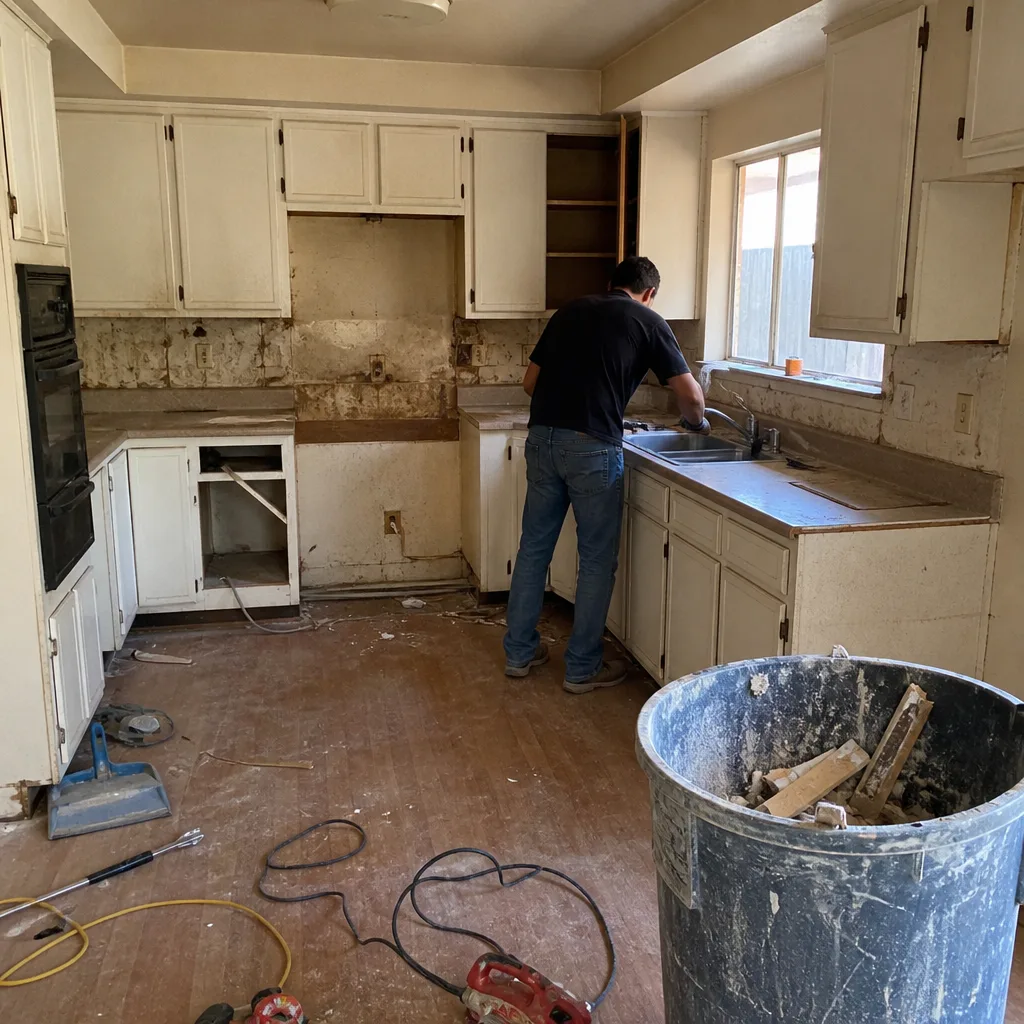 Before
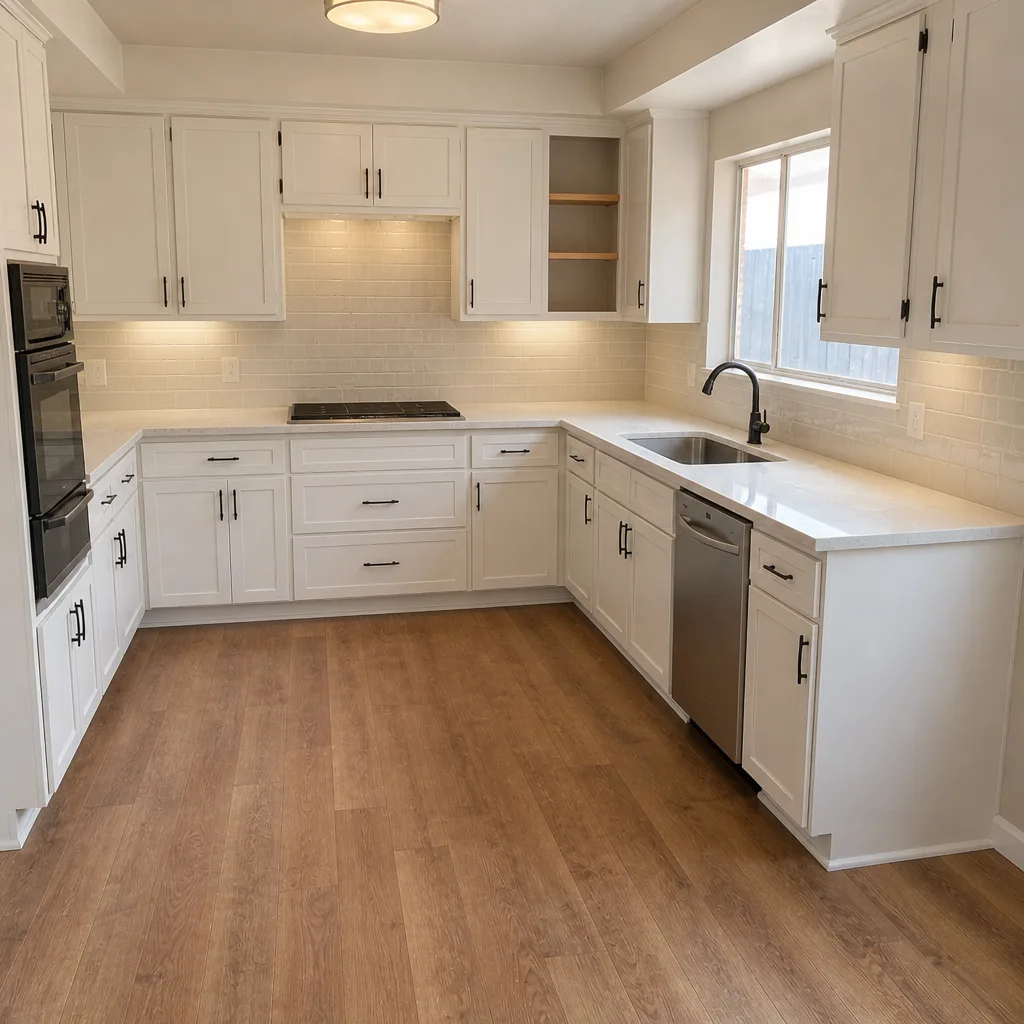 After
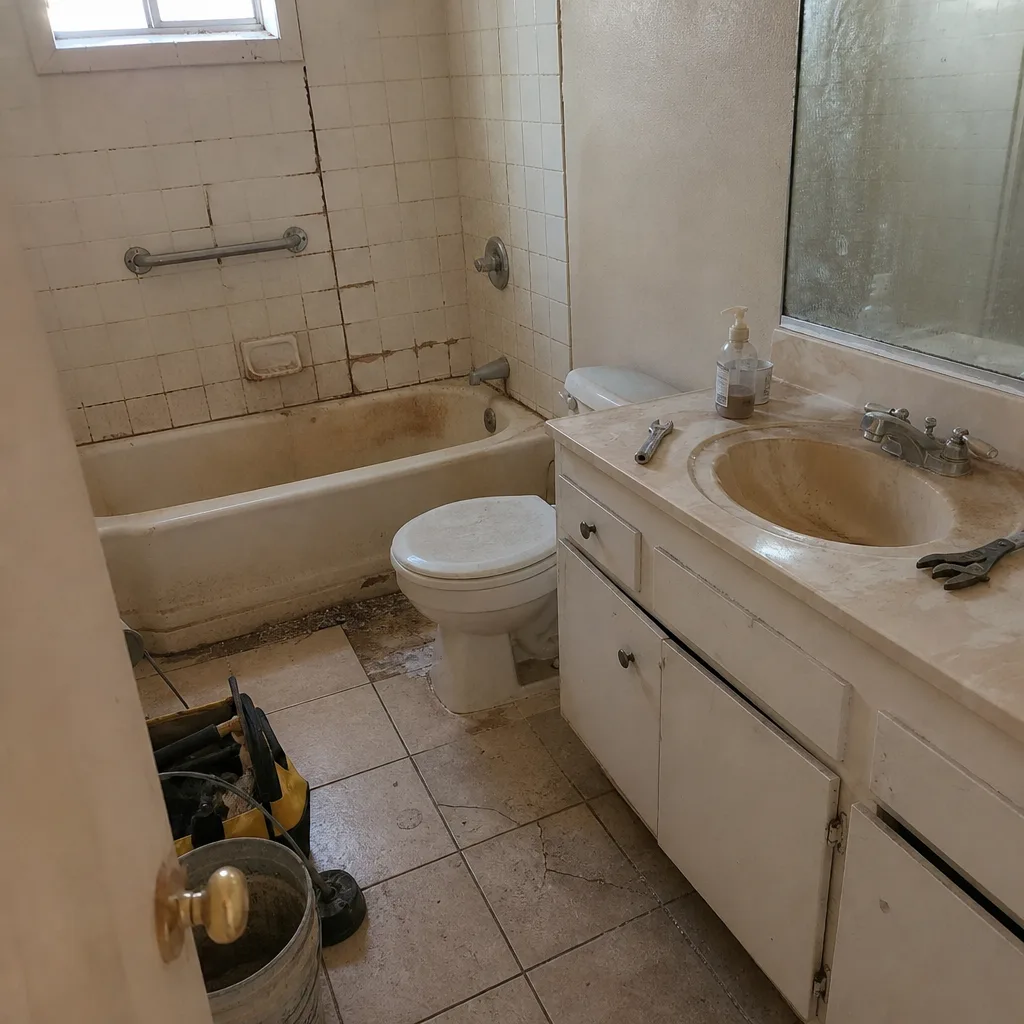 Before
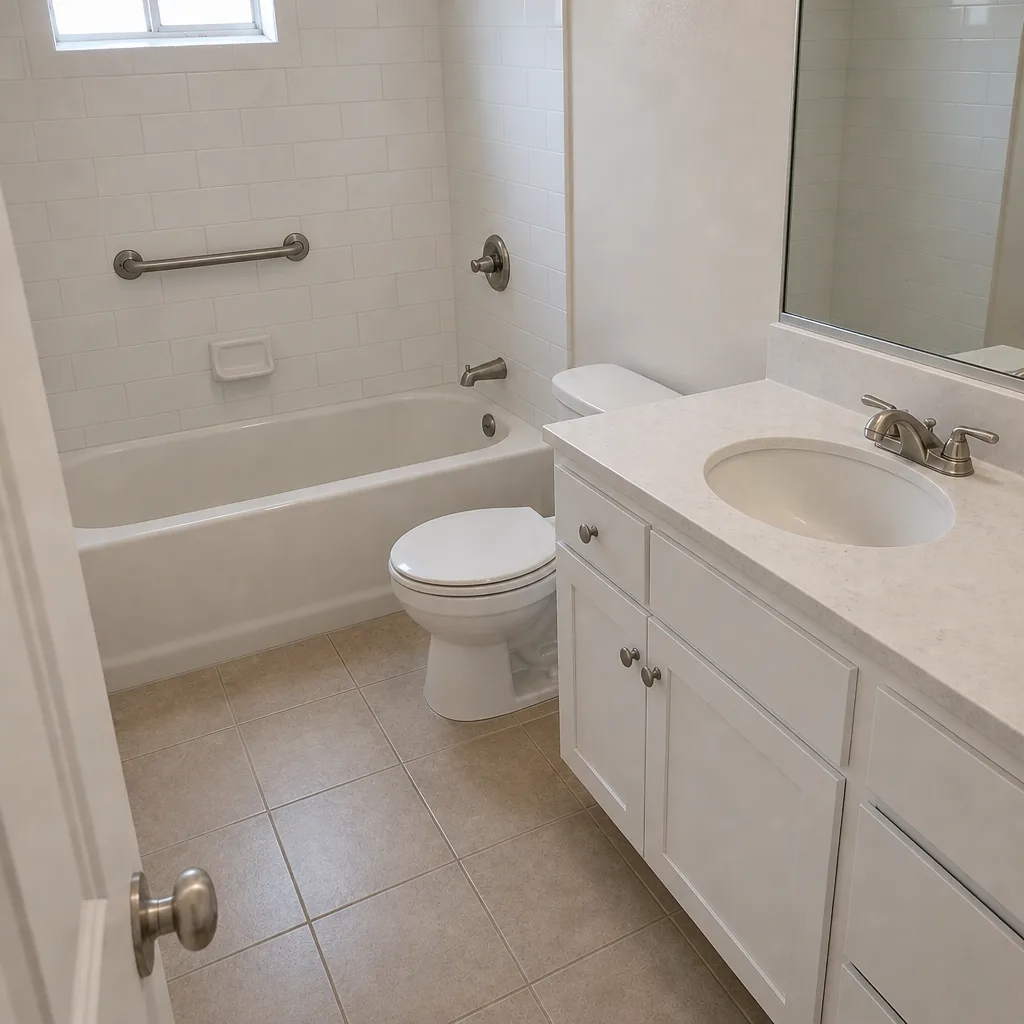 After
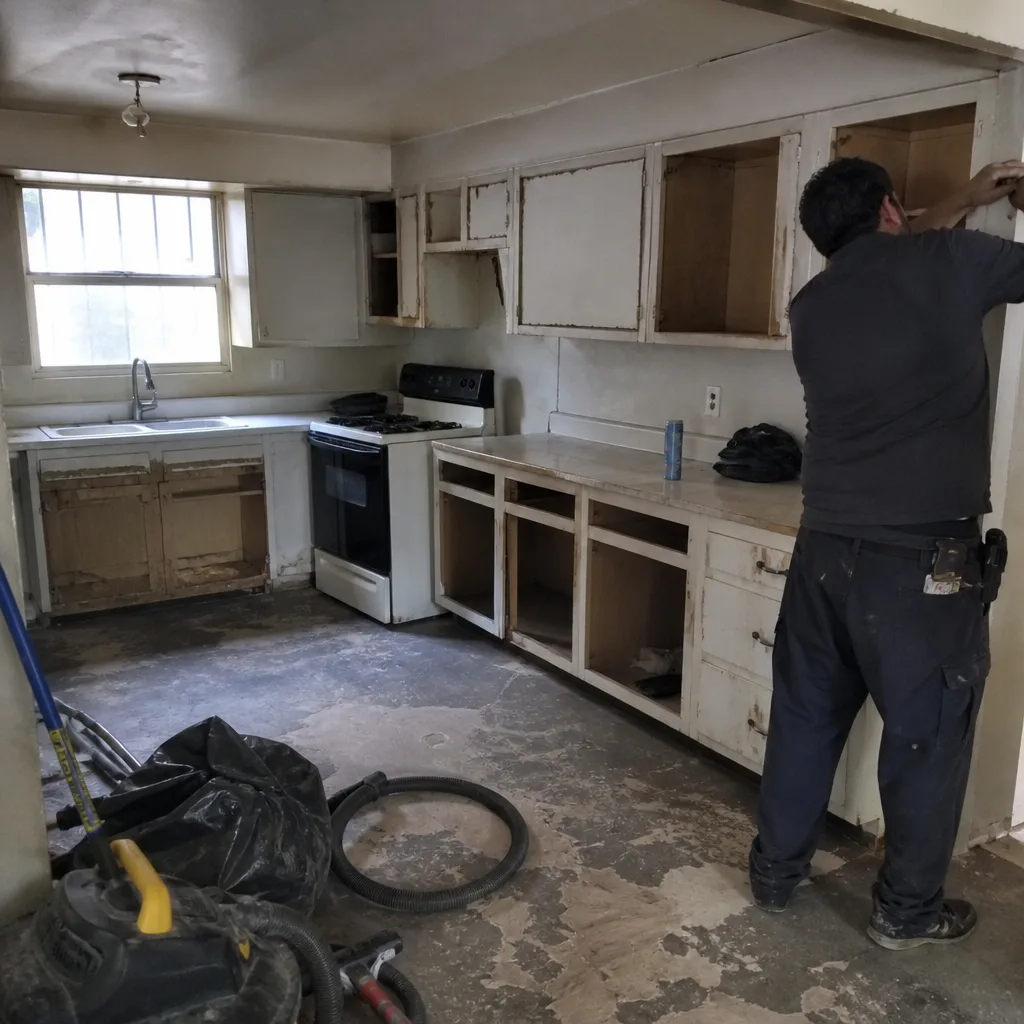 Before
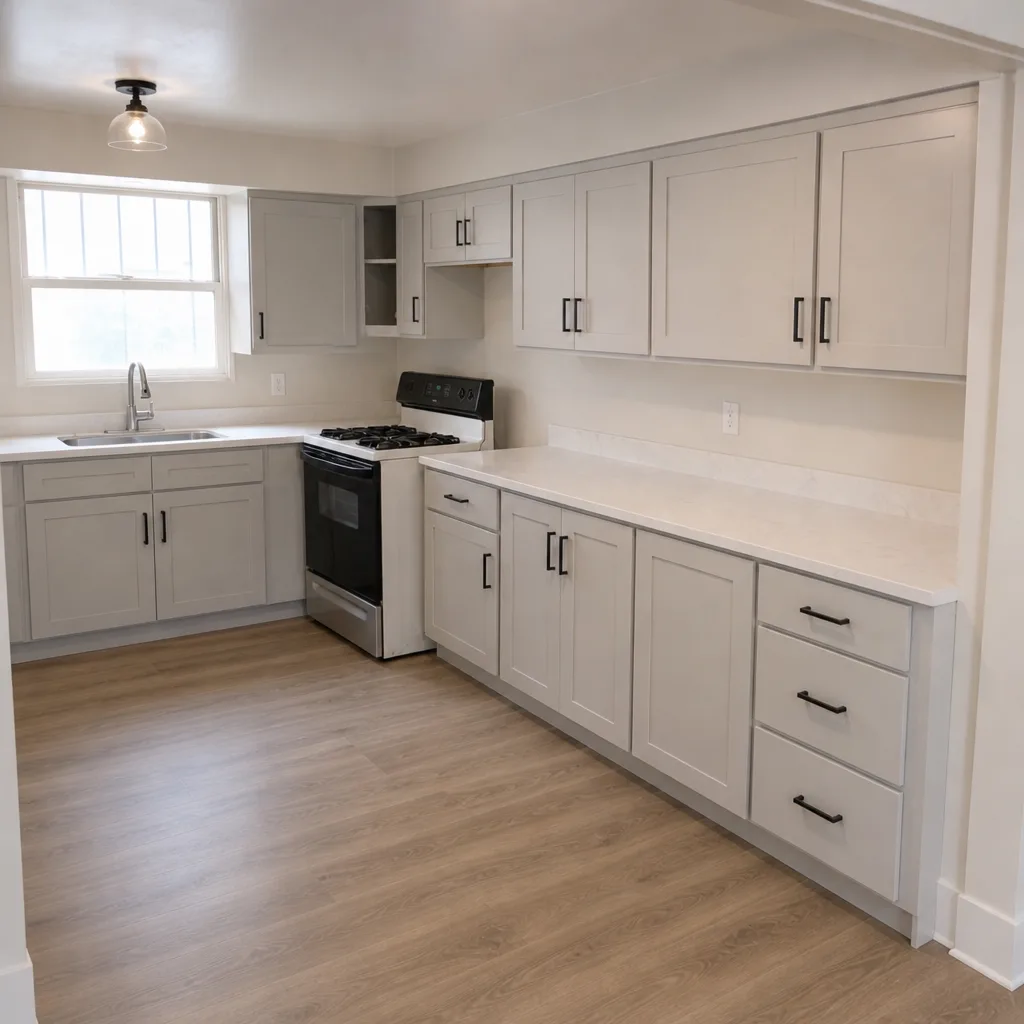 After
When to Call a Professional
Call a professional when any of these is true: the work requires a permit, the work lives behind a wall or under a floor, the work touches the electrical panel or gas lines, the work affects how the structure carries weight, or the finished result has to pass an inspection. Call when a family member has an allergy or respiratory condition that a dust barrier has to account for. Call when the project has to be finished on a date, because family life and school schedules don’t bend the way a solo DIY timeline does.
Elmstead Remodeling Spring Valley offers free estimates in Spring Valley – call (844) 320-4882. Every project we take on comes with a written price before any work starts, shoe covers and drop cloths on every visit, background-checked uniformed technicians, and our 365-Day Done Right Promise: if it isn’t done right after the job is complete, we make it right.
Frequently Asked Questions

Painting, cabinet hardware swaps, faucet replacement on existing supply lines, light fixture swaps on existing wiring, and caulking are all safe DIY for a careful homeowner. Anything that requires a permit, touches the electrical panel, or lives behind a wall or under a floor is not.
You can pull a permit on your own primary residence for certain scopes, but the work still has to pass inspection. Anything touching the drain lines, plumbing rough-in, new electrical circuits, or structural framing is best handed to a licensed contractor. If the work is unpermitted and hidden, it becomes a problem when you sell or file a claim.
A cosmetic bathroom remodel (new tile, fixtures, paint, no layout change) typically runs $9,000 to $18,000 in Spring Valley. A full remodel with layout changes, new plumbing, and new electrical runs $18,000 to $42,000 depending on the size and finish level. Call (844) 320-4882 for a written price on your specific bathroom; estimates are free.
The line is consequence, not skill. A skilled DIYer can absolutely tile a backsplash. The same person shouldn’t glue a new drain line or work inside a panel. If the failure would be hidden, dangerous, expensive, or inspected, hire a licensed contractor. If the failure would just cost a weekend to redo, the DIY path is fine.
Yes, and in specific ways. Dust barriers go up on day one, low-VOC and pet-safe products are chosen where a choice exists, tools leave the house between visits, and flooring and demo are phased so one safe path through the house stays clear at the end of every day. We schedule the loudest work around naps and school hours wherever the schedule allows.
Every completed project. If something isn’t right after the job is done, we come back and make it right within the first year. That’s on top of manufacturer warranties that travel with the product, from cabinets by KraftMaid and Wellborn to countertops by Cambria and Silestone to fixtures by Kohler and Moen to James Hardie exterior products.
The Bottom Line
The safest DIY decisions start with consequence, not confidence. Painting, hardware swaps, faucet replacement, and light fixture swaps are good Saturday projects. Backsplash tile, trim, and small drywall work are doable with patience and a willingness to redo a failed joint. Structural changes, plumbing rough-in, electrical panel work, and gas lines are professional-only, both for safety and because Nevada requires a licensed contractor on the permitted scopes. For families weighing the two paths, the honest math usually lands on a hybrid: demo and paint by the homeowner, everything behind the wall and everything inspected by a licensed contractor. Call (844) 320-4882 to schedule a free estimate in Spring Valley, and we’ll walk the project with you room by room before a single price is quoted.
Written by the team at Elmstead Remodeling Spring Valley.