Last updated November 18, 2026

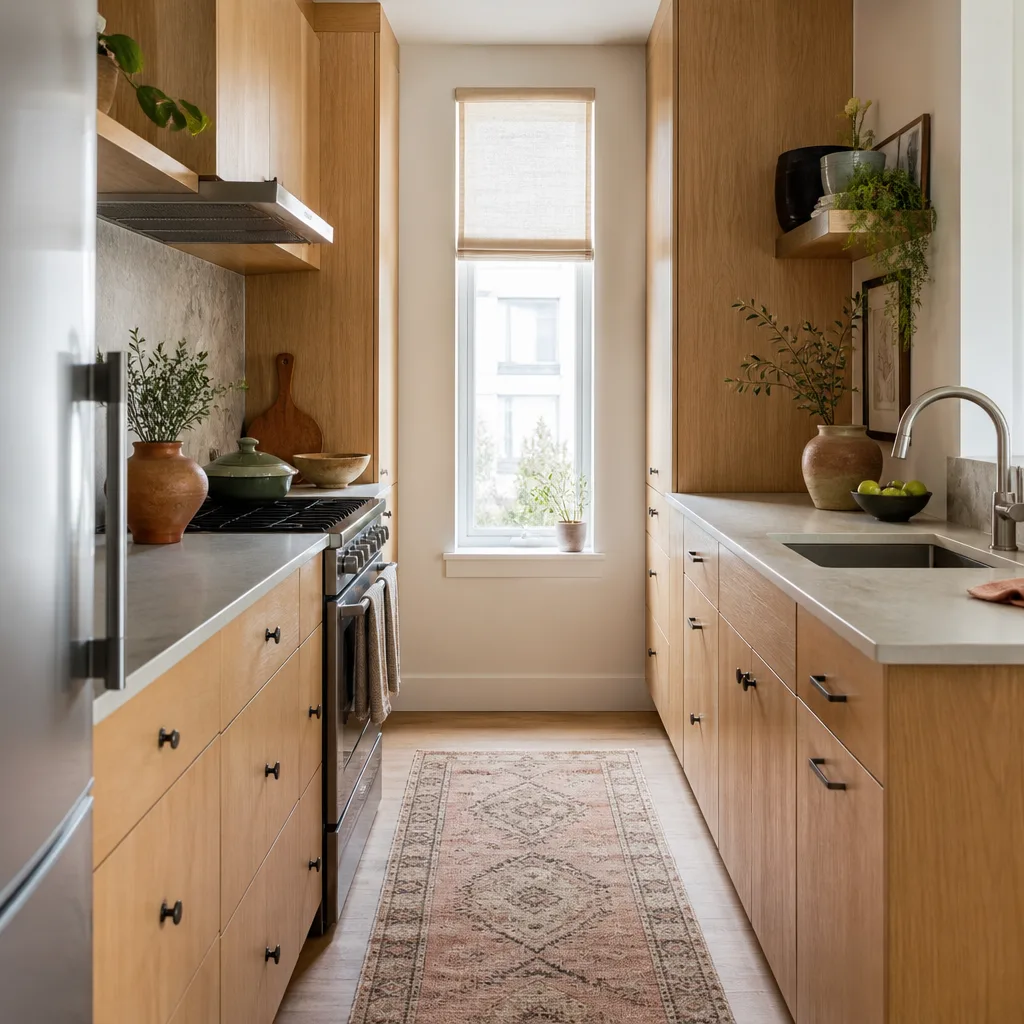

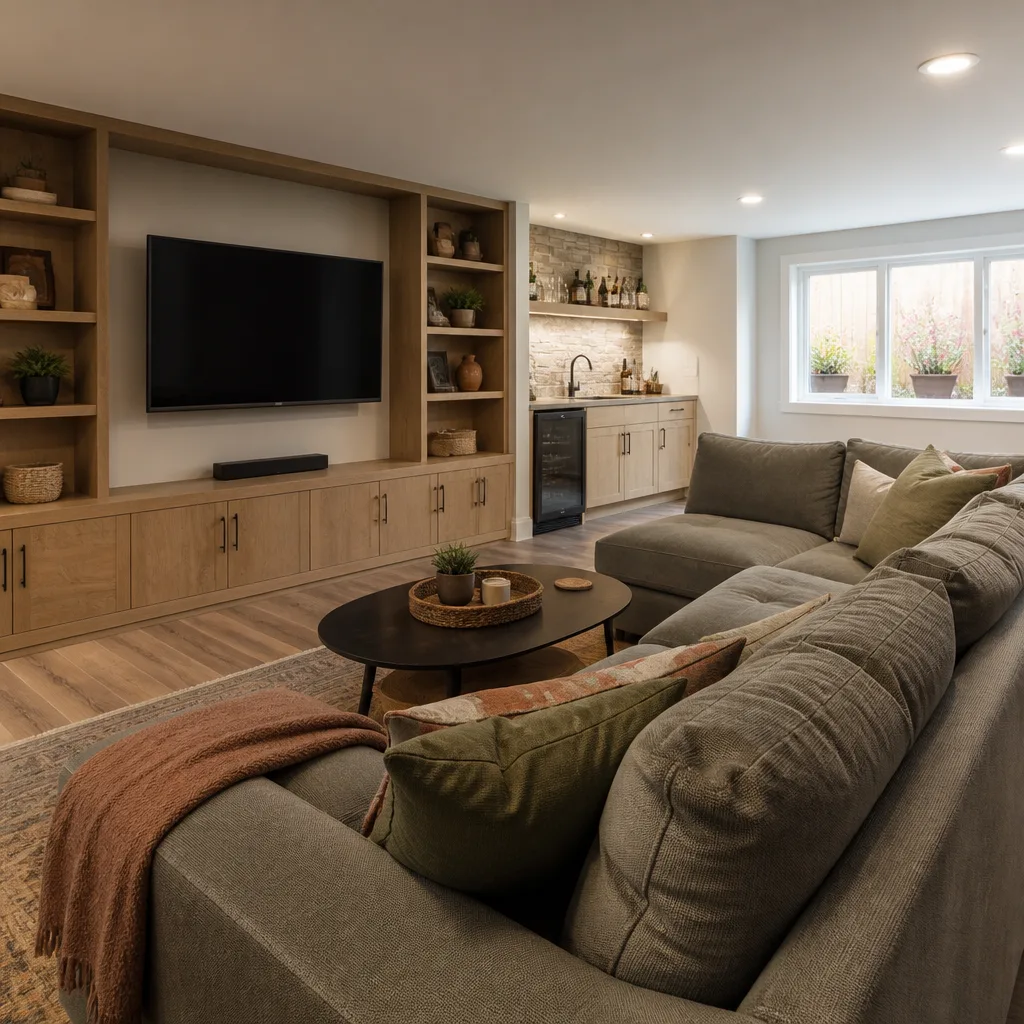
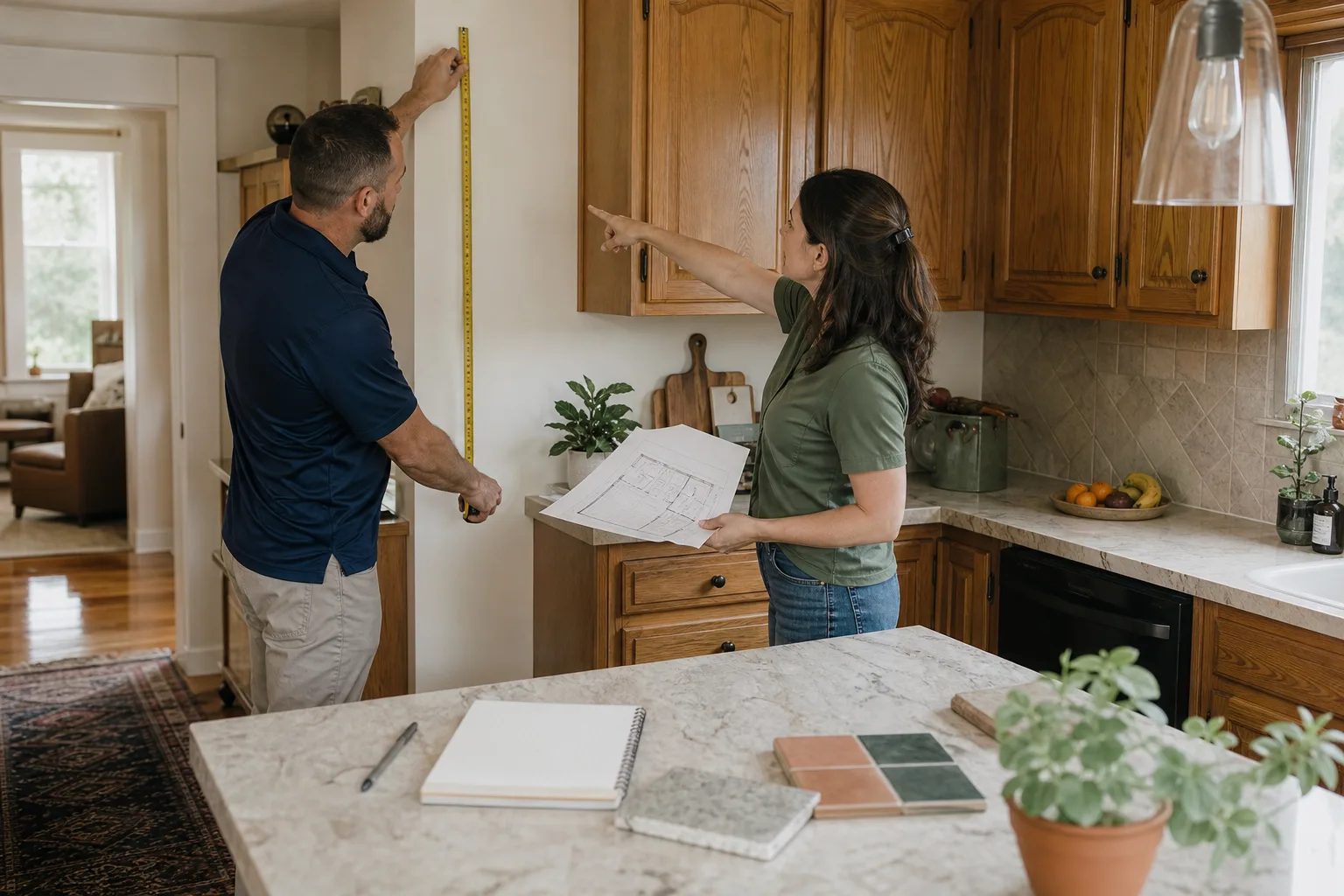
Free written scope consultation - allowances, timeline, and change-order rules on paper before a single trade is scheduled
The Complete General Contractor Guide for Spring Valley Homeowners
Spring Valley sits inside one of the fastest-growing unincorporated areas in Clark County, and that single fact changes almost everything about how a remodel gets permitted, priced, and inspected. You can be five minutes from the Las Vegas Strip and still fall under county jurisdiction rather than city jurisdiction, which surprises a lot of homeowners the first time an inspector asks for a different set of documents than they expected. This guide walks through what actually matters for a remodel here: the caliche under your foundation, the 110°F summers that stress every material choice, the HOA review boards in the master-planned communities, and how to read a written price instead of a vague estimate. By the end, you’ll know the right questions to ask before you sign anything.
Quick Answer
Hiring a general contractor in Spring Valley means working with a licensed Nevada contractor who pulls Clark County building permits (not City of Las Vegas permits), accounts for caliche hardpan when planning foundations and drainage, and coordinates HOA pre-approval in master-planned communities like Rhodes Ranch and The Lakes. A real written price, background-checked crews, and a documented permit trail separate a professional from a handyman with a truck.
Styles & brands we work with
- Kitchen remodeling
- Bathroom remodeling
- Home additions & ADU
- Roofing
- Windows & doors
- Driveway & pavers
- Fence
Table of Contents
- Clark County Permits vs. City of Las Vegas Permits
- Caliche Soil and What It Means for Your Foundation
- HOA Pre-Approval in Spring Valley Communities
- What a Written Price Actually Looks Like
- How to Verify a Nevada State Contractors Board License
- Building for 110°F Summers and Desert Temperature Swings
- A Realistic Remodel Timeline in Spring Valley
- Remodeling With Kids and Pets in the House
Clark County Permits vs. City of Las Vegas Permits
Spring Valley is an unincorporated town governed by Clark County, not the City of Las Vegas. That matters because permits for most remodels here go through the Clark County Department of Building & Fire Prevention, not the city building department. Homeowners who assume otherwise often file with the wrong office, wait weeks for a rejection, then restart the clock. The county’s online plan review (Accela) has gotten faster, but kitchen and bathroom remodels that move plumbing or electrical still typically route through a plan check, which adds 2 to 4 weeks before a single permit is issued.
What actually needs a permit in Spring Valley:
- Moving or adding a wall (load-bearing or not)
- Any plumbing relocation – sinks, toilets, showers, gas lines
- New or relocated electrical circuits, panel upgrades, outlet additions beyond a simple swap
- Window and exterior door replacements that change the opening size
- Any new square footage – additions, converted garages, casitas
- Water heater replacement (yes, even a straight swap)
What usually does not need a permit: cosmetic swaps like painting, flooring, cabinet refacing, and replacing a fixture in the same location. When in doubt, the county’s residential permit counter can confirm in a phone call. A reputable contractor will tell you which side of the line your project falls on before they quote you, not after.
The timeline reality: a straightforward bathroom remodel in Spring Valley commonly allows 3 to 5 weeks from permit application to inspection sign-off. Kitchen remodels that touch gas or move a wall run 5 to 8 weeks. Additions can take 10 to 14 weeks in plan review alone. Budget for that. Anyone promising you a permitted kitchen in ten days is either skipping the permit or misunderstanding county review.
Caliche Soil and What It Means for Your Foundation
Caliche is the calcium-carbonate hardpan that sits under much of the Las Vegas Valley, and Spring Valley has plenty of it. It behaves almost like concrete when dry and softens unpredictably when saturated. If your contractor has never mentioned it, that’s a red flag. Caliche affects three parts of a remodel more than people realize:
- Foundation work and slab penetrations. Cutting through 6 to 12 inches of caliche for a new drain line or post footing requires a jackhammer and, in some spots, a demo saw. It’s louder, slower, and dustier than the same job in sandy soil. A written price should show the line item.
- Drainage additions. Water pools on caliche rather than soaking through. If your backyard slopes toward the house and you add a patio, you need engineered drainage that actually routes water to a discharge point, not a shallow French drain that clogs in one monsoon season.
- Raised garden beds and hardscape. Digging garden beds by hand in caliche is punishing. A contractor who brings a mini-excavator and plans an import-soil mix knows what they’re doing.
In our experience working Spring Valley properties near Rhodes Ranch and Peccole Ranch, caliche depth varies street to street. It’s worth asking any general contractor in Spring Valley a direct question: “What’s your caliche plan for this job, and is it in the price?” A vague answer is your cue to get another bid. A detailed answer includes equipment on the schedule, disposal of the excavated rock, and a contingency that doesn’t get added after the crew is already at your door.
If your project involves a bathroom or kitchen slab, the soil conversation comes up early. Our Bathroom Remodeling in Spring Valley and Kitchen Remodeling in Spring Valley crews build caliche contingency into the written price before work starts, so there are no mid-job surprises.
HOA Pre-Approval in Spring Valley Communities
Most of Spring Valley’s residential neighborhoods sit inside an HOA. The Lakes, Rhodes Ranch, Peccole Ranch, Spanish Trail, and the communities along Tropicana and Hualapai all have architectural review requirements, and they all handle them slightly differently. If you’re replacing a front door, painting the exterior, changing a roof material, or building anything visible from the street, expect to submit an architectural request before work starts.
The documentation most Spring Valley HOAs want:
- Manufacturer spec sheets with model numbers and colors
- A sample of the finished material (paint chip, roof tile, paver) where the change is visible
- A site plan showing where the work goes on the lot
- Contractor license and insurance certificate on file
- Timeline of construction
Approval commonly takes 2 to 4 weeks, sometimes longer if a board meets monthly. Your general contractor should prepare this packet for you and submit it on your behalf. If a contractor tells you to “just get the HOA taken care of” and move on, that’s not a partner; that’s a scheduling risk. A material substitution that ends up rejected by the review board costs weeks, not days. Named brands help here because the spec sheet is publicly verifiable – a James Hardie plank sample or a Boral roof tile with a model number going into an HOA packet is straightforward to approve.
What a Written Price Actually Looks Like
An estimate is a guess. A written price is a commitment. In a desert market where material costs swing with every lumber tariff and shipping delay, the difference matters. Here’s the test: if you get three pages of numbers with no line-item breakdown, no allowances, and no scope description, you don’t have a price. You have a promise that will get amended.
A real written price for a Spring Valley remodel includes:
- Line-item scope by room and trade (demo, framing, plumbing rough-in, electrical rough-in, drywall, tile, cabinetry, countertops, fixtures, paint, clean-up)
- Named products: not “paint-grade cabinets” but KraftMaid or Wellborn, model series named; Cotnertops listed as Cambria or Silestone with the slab name; fixtures as Kohler or Moen with SKUs
- Explicit allowances where the buyer is choosing later (tile, lighting) and what happens if they overrun
- Caliche line item or explicitly noted assumption
- Permit fees and HOA submission fees listed as their own lines
- Payment schedule tied to milestones, not to calendar dates
- Change order policy in writing – what gets re-priced and by whom
Material partners that publish warranties work in your favor here. KraftMaid and Wellborn cabinet warranties, Cambria and Silestone countertop warranties, and James Hardie siding warranties all travel with the finished project, which means a written price tied to those brands is a written price you can hold someone to.
How to Verify a Nevada State Contractors Board License
Anyone doing construction work in Nevada for more than $1,000 in combined labor and materials must be licensed by the Nevada State Contractors Board (NSCB). The board’s website has a public license search, and it takes about two minutes to run. Ask for the license number, then match the name on the license to the name on the contract. They should be identical.
What to look at once you have the record:
- Active status. Licenses can lapse. A “pending” or “suspended” status is a hard stop.
- Classification. A “B” (General Building) classification covers most residential remodels. “C-21” covers signs; “C-3” covers carpentry; “C-36” covers plumbing. If your GC is only licensed for one trade, they’re subcontracting the rest, which is fine if they say so.
- Monetary limit. Nevada licenses carry a maximum contract value. If your $80,000 kitchen remodel exceeds the contractor’s limit, they can’t legally take the job.
- Complaint history. The board publishes disciplinary actions. Read them. Patterns matter.
- Insurance and bond. Both should be current and on file.
Any licensed Nevada general contractor should hand over this information without hesitation. If they can’t, or if they call it “a formality,” you’ve learned something useful.
Building for 110°F Summers and Desert Temperature Swings
Spring Valley gets 100+ days a year of triple-digit heat and can swing 30 degrees between day and night in spring and fall. That stresses three things more than in other markets: exterior materials, HVAC load, and the paint and sealant schedule.
What we plan for on every exterior project here:
- Siding and trim. James Hardie fiber cement and Boral composite trim hold up where wood doesn’t – they resist the sun-driven cracking that plagues painted pine in this climate. A PGT or CGI window with a low-E coating pays for itself in cooling bills faster than most homeowners expect.
- Roofing. GAF architectural shingles are rated for the heat, but underlayment quality determines lifespan in a 110°F attic. Ask specifically what underlayment and ventilation are in the price.
- Paint and sealant. Exterior paint should be applied when surface temperatures are under 90°F, which in Spring Valley means early morning in June through August. Sealants on stucco need to cure before the afternoon sun hits them.
- HVAC sizing. A kitchen remodel that adds square footage or changes window area changes the cooling load. Ask if your contractor coordinates with an HVAC pro to re-check sizing.
The same heat affects interior scheduling. Concrete pours in July need retarding admixtures or early-morning starts. Tile thinset sets faster than the label says when ambient is 95°F. A contractor who’s built in other climates without Spring Valley-specific scheduling will run into this. A local one already knows.
A Realistic Remodel Timeline in Spring Valley
Here’s what a typical Spring Valley remodel actually looks like once permits, HOA, and material lead times are all on the calendar:
- Design and selections: 3 to 6 weeks. Picking cabinets, counters, tile, and fixtures with manufacturer lead times in mind. Slow down here to speed up later.
- HOA submission: 2 to 4 weeks. Runs in parallel with design if the packet goes in early.
- Permit application and plan review: 2 to 8 weeks. Depends heavily on scope. Minor bathroom remodels can clear in 2-3 weeks. Structural work takes longer.
- Material ordering: 2 to 10 weeks. KraftMaid and Wellborn cabinetry commonly runs 4 to 8 weeks; Cambria quartz 2 to 4 weeks; special-order tile varies.
- Construction: 3 to 6 weeks for a bathroom, 6 to 10 for a kitchen, 12 to 20+ for a whole-home remodel.
- Final inspection and punch list: 1 to 2 weeks.
The single biggest cause of delay is out-of-sequence ordering: cabinets ordered before the permit numbers are final, or tile ordered before the HOA has approved the design. A general contractor with Spring Valley experience sequences those properly so material shows up the week it’s needed, not the week after the crew has moved on to another job.
Remodeling With Kids and Pets in the House
A remodel in a home with young children and animals is a different project than a remodel in an empty house. The scheduling, the products, and the clean-up all shift. Families in Spring Valley have told us the same thing: the finished kitchen is great, but the memory that lasts is whether the crew left the floors clean every night.
What Cedarwell Care Promise standards mean for a family home:
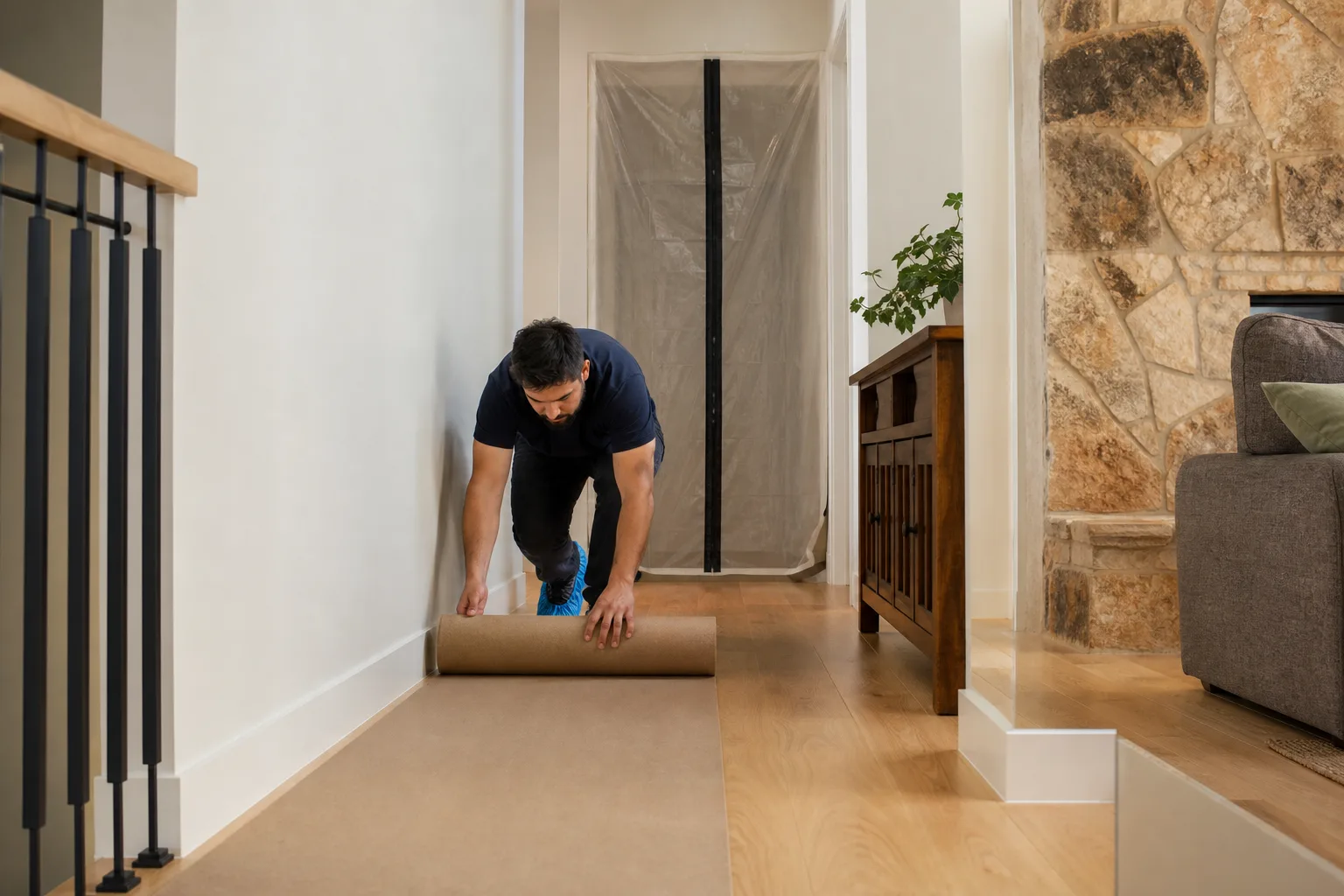
- Shoe covers and drop cloths on every visit. Not once at the start; every morning, every room.
- Quiet tools during nap and school hours where the schedule allows. We plan demo and the loud cuts for the times you tell us to.
- Pet-safe product choices where a choice exists. Low-VOC paints, water-based finishes, and containment of dust with zip walls.
- A photo of the clean-up before the crew leaves. Every day. Proof, not a promise.
If you want to see what whole-home projects look like where this is the standard, our Elmstead Remodeling Spring Valley home page walks through it, and our General Contractor in Spring Valley page outlines the scope of work we take on.
Common Mistakes to Avoid
- Filing for permits with the City of Las Vegas. Spring Valley is unincorporated Clark County. The wrong department means weeks lost to rejections and re-submittals.
- Not asking about caliche before signing. Any contractor who hasn’t mentioned the hardpan hasn’t planned for slab work, drainage, or disposal. That cost comes back to you.
- Assuming the HOA won’t care. Rhodes Ranch and Peccole Ranch have active architectural review boards. Skipping the submission for a visible exterior change can require demo down the road.
- Taking an “estimate” at face value. An estimate that grows after the crew arrives is a warning sign, not a market condition. Insist on a written line-item price before work starts.
- Skipping the NSCB license lookup. Two minutes on the state website can save you the cost of a stalled job.
- Ordering materials before permit numbers are assigned. Cabinets in the garage and no permit in hand is how projects sit for two months.
- Not asking who’s on the crew. Background-checked technicians should be a standard, not an upgrade. Ask before signing.
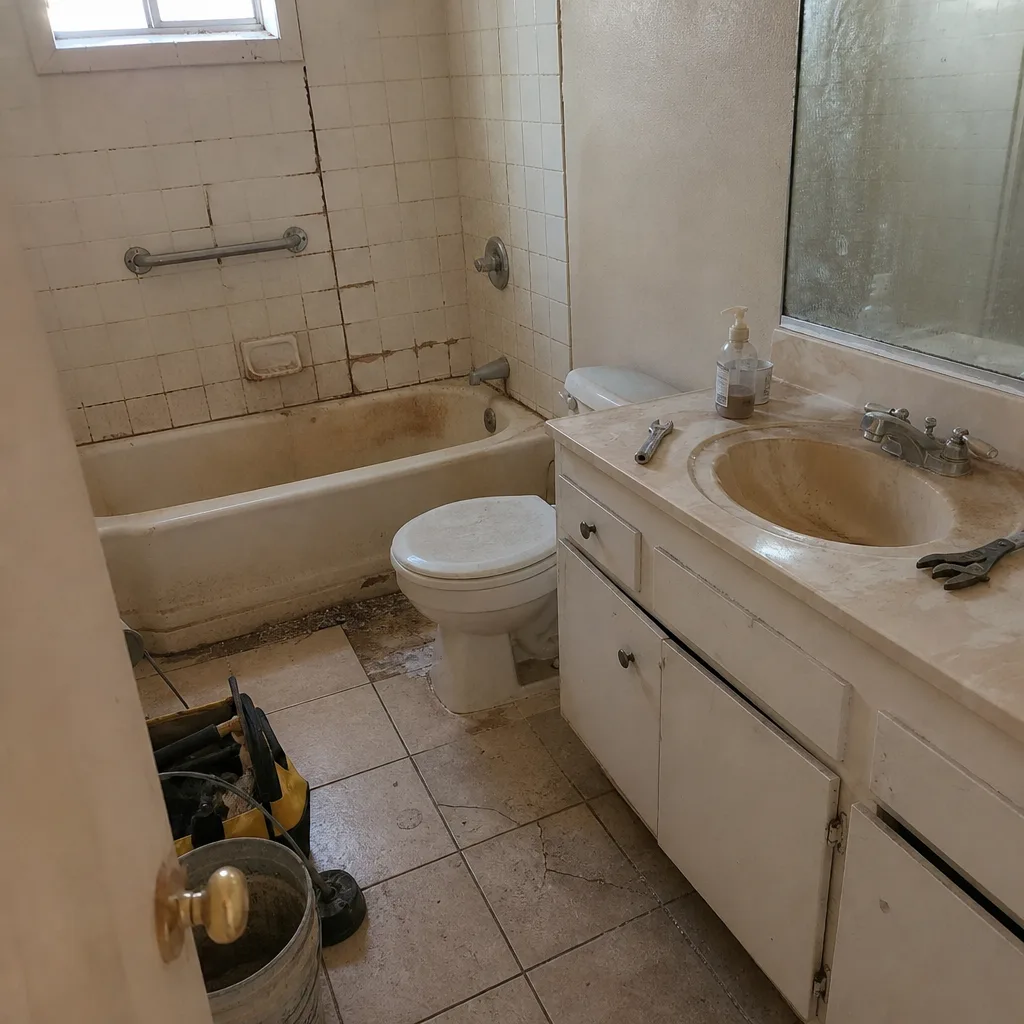
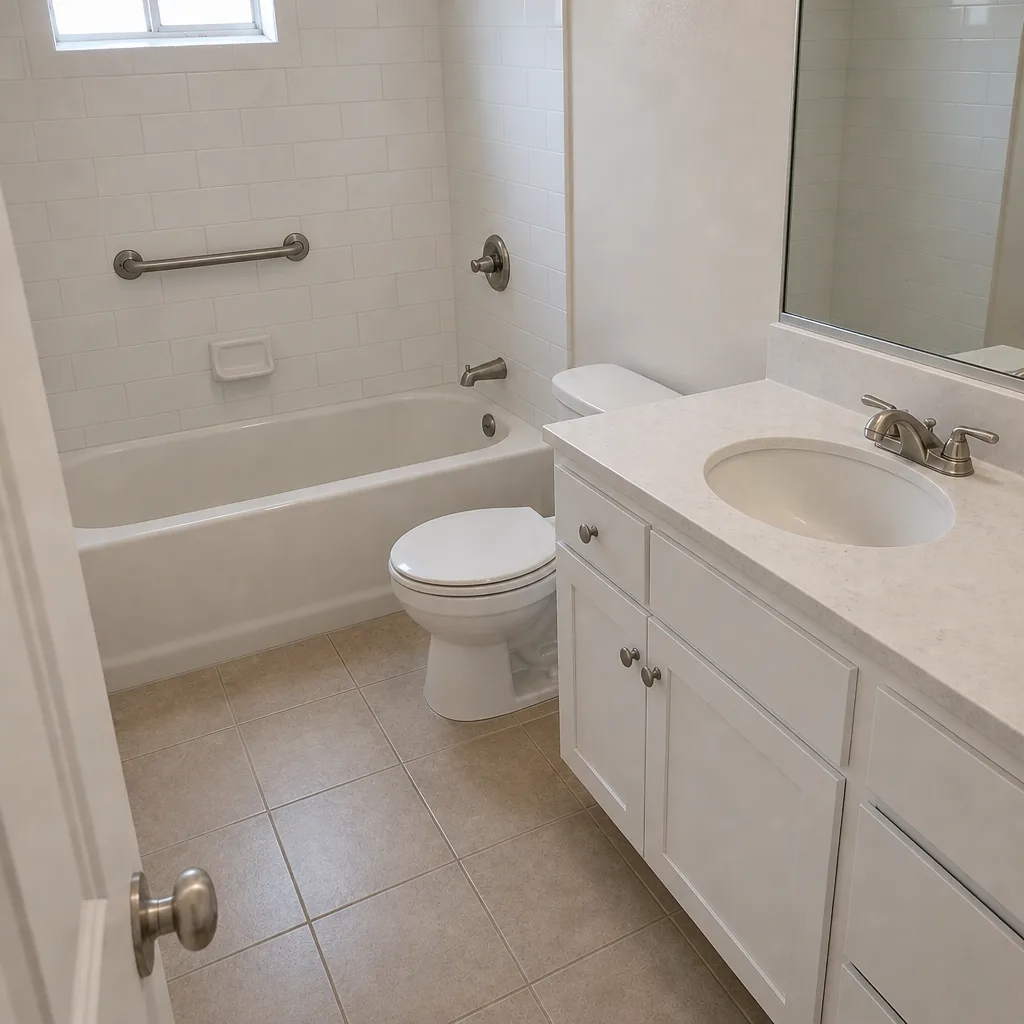
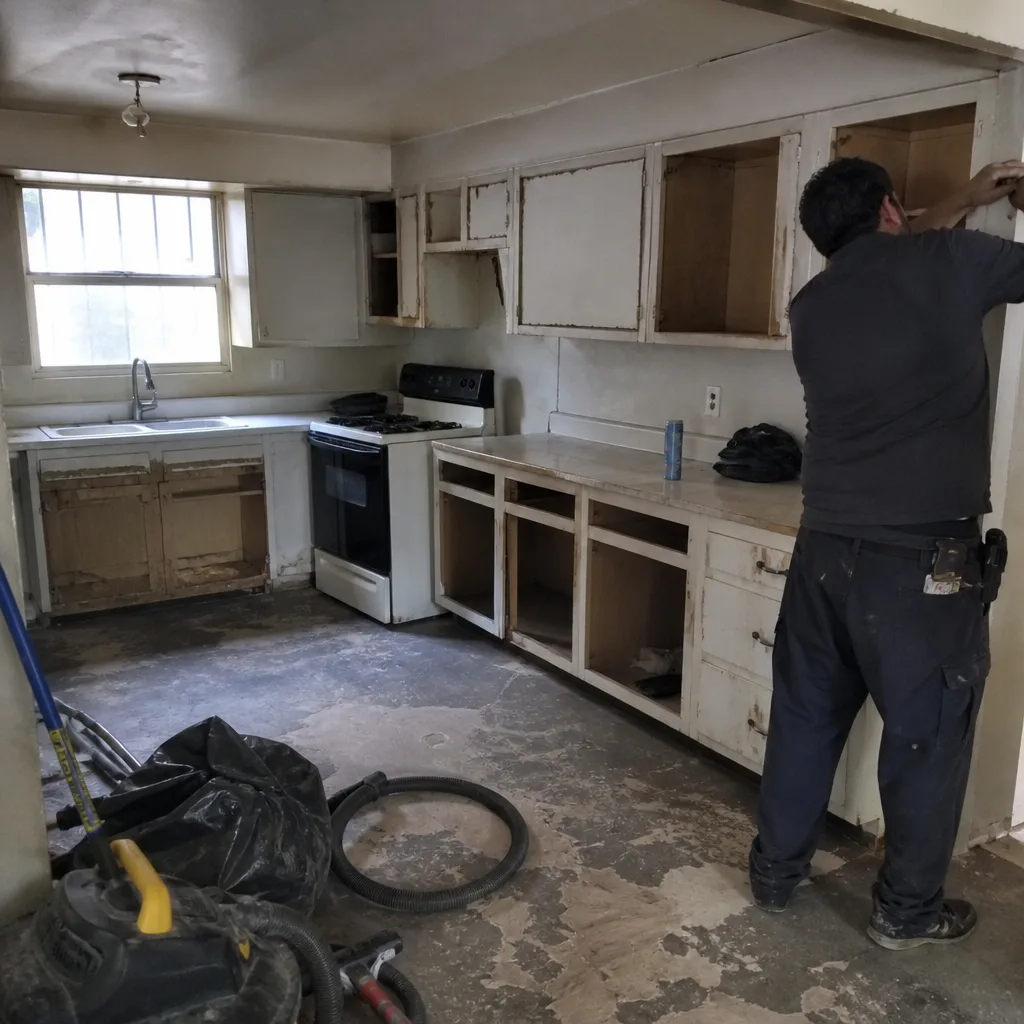
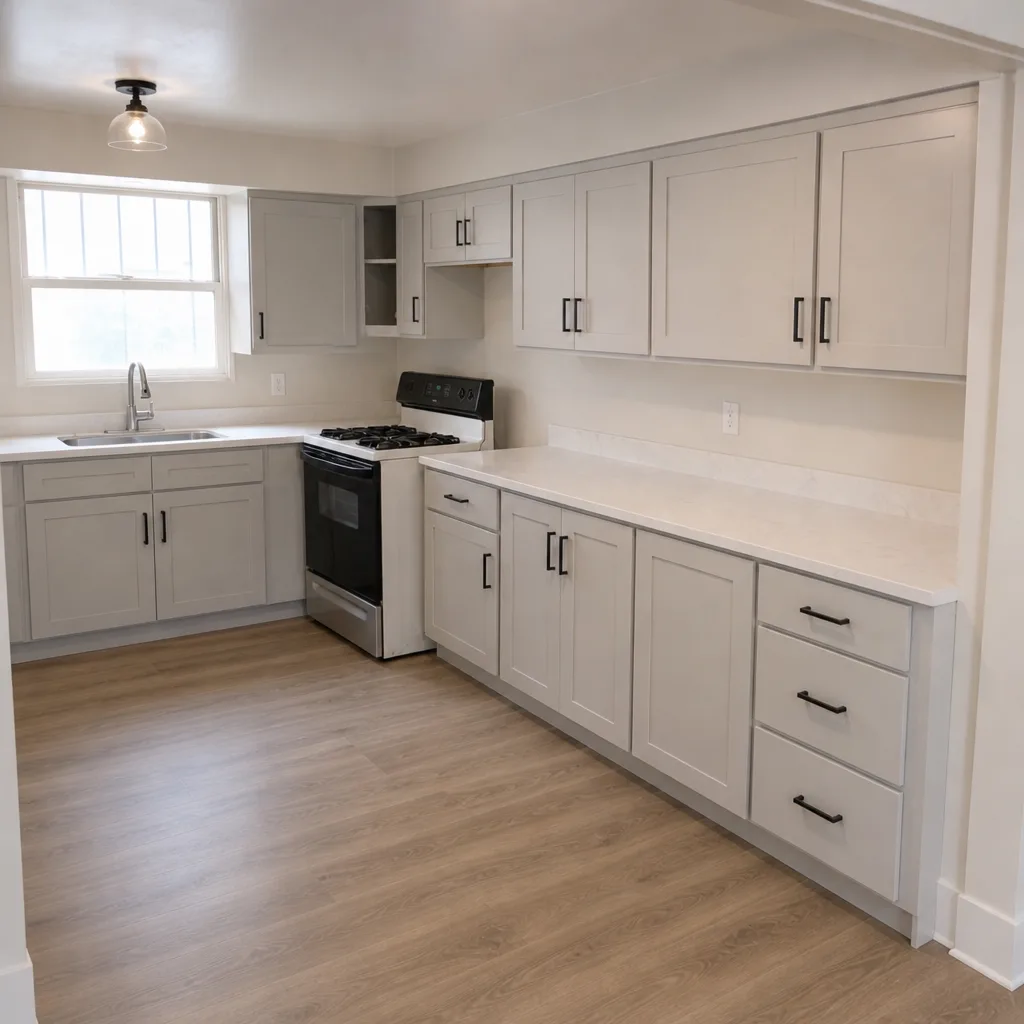
See the difference
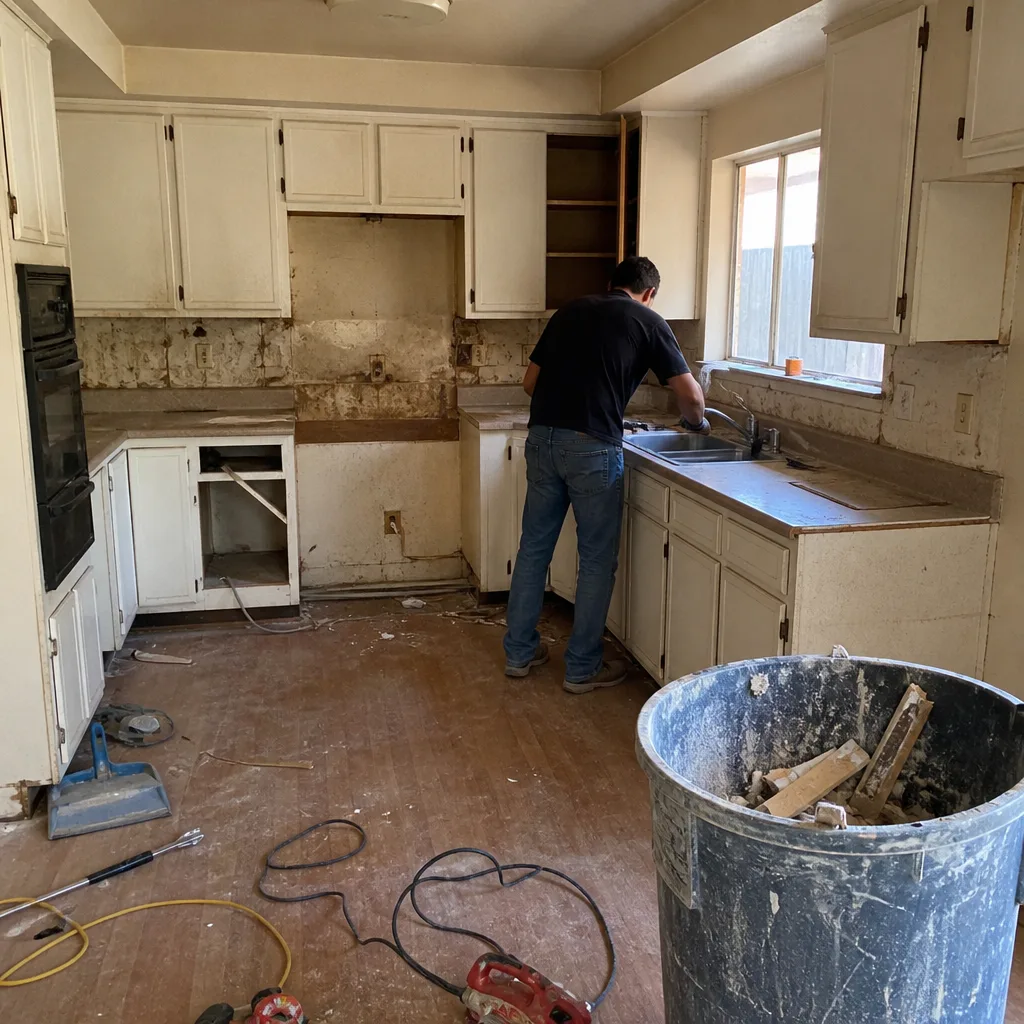 Before
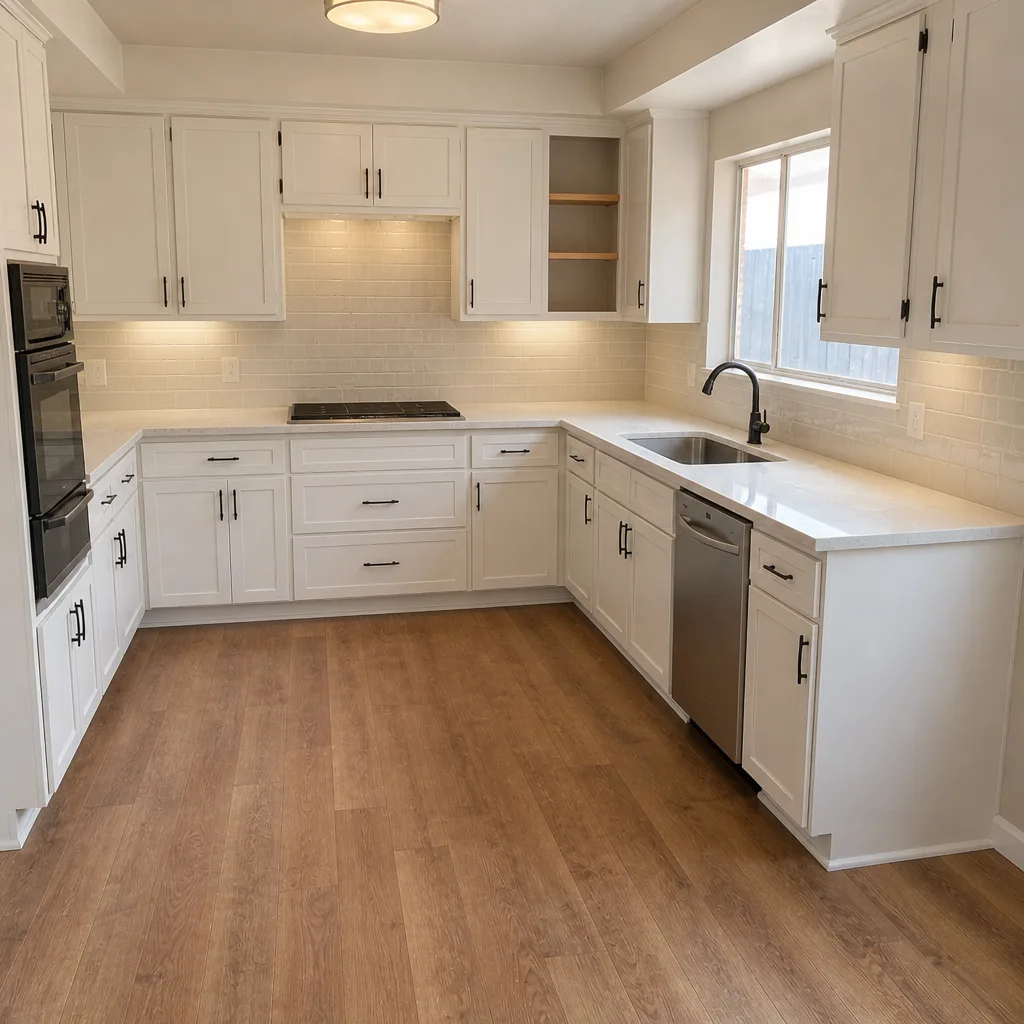 After
 Before
 After
 Before
 After
When to Call a Professional
Call a licensed general contractor when the work touches structure, plumbing, gas, or electrical; when the project needs a Clark County permit; or when the scope is large enough that sequencing matters (kitchen, bathroom, whole-home). If your home is under an HOA, add exterior work, additions, and any visible change to that list. If you’re not sure, an hour with a professional is cheaper than a year of DIY regrets on a project involving caliche and code. Our technicians have up to 21 years of experience navigating Clark County permitting and Spring Valley HOA reviews. Elmstead Remodeling Spring Valley offers free estimates in Spring Valley – call (844) 320-4882 to schedule yours.
Frequently Asked Questions
You need a Clark County permit. Spring Valley is unincorporated Clark County, and most residential remodel permits route through the Clark County Department of Building & Fire Prevention, not the City of Las Vegas. The exception is the small number of pockets that have been annexed into the city; the county permit counter can confirm your address in a phone call. Call (844) 320-4882 if you want help checking before you file.
Most Spring Valley kitchen remodels fall between $45,000 and $95,000 depending on size, cabinetry brand, and whether walls or plumbing move. A cosmetic refresh with cabinet refacing lands lower; a full layout change with new plumbing and a slab cut runs higher. Named-brand cabinets like KraftMaid and Wellborn, and quartz counters from Cambria or Silestone, are where most of the swing concentrated. Call (844) 320-4882 for a written price on your specific kitchen – estimates are free.
It shouldn’t. A written price, with a defined change-order policy, is what protects you from sticker shock mid-project. Unknowns like hidden water damage or unexpected caliche depth should be discussed up front, with a contingency line, not surfaced after demolition. If you’re handed a range instead of a number, ask for the line-item price. Call (844) 320-4882 to see what our written price looks like.
Ask for the license number, then run it on the Nevada State Contractors Board website. Check three things: active status, correct classification for your project, and that the license’s monetary limit exceeds your contract value. Complaint history is published and searchable. Any licensed contractor should hand over this information in one email.
We pull the permits. A general contractor who asks the homeowner to pull permits is shifting legal and financial risk onto you; the licensed party should be on the permit. That includes the county submission, plan review coordination, and the inspections throughout the project. Call (844) 320-4882 if you want a clear answer on who handles permits before you sign.
From permit application to final inspection, a Spring Valley bathroom remodel typically runs 6 to 10 weeks. About 2 to 3 of those weeks are county plan review, and 3 to 4 are actual construction. Ordering fixtures early (Kohler, Moen, Grohe) shortens the window. Call (844) 320-4882 for a free estimate and a schedule tied to your actual selections.
The Bottom Line
A Spring Valley remodel succeeds or fails on the details that are specific to this corner of Clark County: county permits, not city ones; caliche planning built into the written price; HOA review packets submitted early; materials specified by name so warranties travel with the finished job; and a crew that treats your floors, your pets, and your kids’ nap time as part of the work. Get those right, and the rest is standard construction. Get them wrong, and even a good build turns into a long year. Use this guide as the checklist you walk into the first bid with, and hire the contractor who answers every line.
Elmstead Remodeling Spring Valley is a Cedarwell company. Every project carries the 365-Day Done Right Promise, shoe covers and drop cloths on every visit, a photo of the clean-up before the crew leaves, and a live person answering the phone 24/7. Background-checked, uniformed technicians on every job. Written price before any work starts – every time. Call (844) 320-4882 to schedule your free estimate.
Written by the team at Elmstead Remodeling Spring Valley.