Last updated November 18, 2026





Free written scope consultation - allowances, timeline, and change-order rules on paper before a single trade is scheduled
DIY vs Professional Construction: The Spring Valley Homeowner’s Decision Guide
A homeowner who installs a water heater in Clark County without a permit isn’t just risking a fine. They’re creating an unpermitted alteration that has to be disclosed at sale, can void the manufacturer’s warranty, and can complicate a homeowner’s insurance claim if the installation is later found non-compliant. That’s the part most DIY videos skip. The decision to pick up the tools or call a contractor isn’t really about confidence or how many tutorials you’ve watched. It comes down to which tasks carry permits, liability, and failure modes that touch a family’s safety or a home’s title, and which tasks genuinely don’t. This guide draws that line honestly for Spring Valley, without inflating either side.
Styles & brands we work with
- Kitchen remodeling
- Bathroom remodeling
- Home additions & ADU
- Roofing
- Windows & doors
- Driveway & pavers
- Fence
Quick Answer
In Spring Valley, the DIY-versus-hire line is drawn by permits and liability, not skill. Cosmetic work like painting, backsplash tile, cabinet hardware, and basic landscaping is often well within reach for a careful homeowner. Anything that touches plumbing, gas, electrical, structural framing, or a permitted alteration should go to a licensed contractor, because the consequences follow the house through insurance and resale. If you’re unsure which side a project falls on, call (844) 320-4882 for a free estimate.
Table of Contents
- The decision framework: permits, liability, and skill
- What needs a permit in Clark County (and what doesn’t)
- Projects that are genuinely well-suited to DIY in Spring Valley
- Projects that look easy but hide desert failure modes
- How to calculate true DIY cost against a professional bid
- When you plan to do some work yourself and hire out the rest
- Common mistakes to avoid
- When to call a professional
- Frequently asked questions
- The bottom line
The Decision Framework: Permits, Liability, and Skill
Every project carries three separate risk weights, and they don’t always point the same direction. A task can be easy to do and still be a liability problem if it requires a permit. A task can be heavily permitted and still be manageable for a skilled homeowner in a low-stakes room. The framework below sorts projects by all three weights so the decision is factual rather than a gut call.
Permit requirement. Clark County Building has a defined list of work that requires a permit: structural changes, additions, electrical work beyond swap-in fixtures, plumbing relocation, gas line work, water heater replacement, and any change to a home’s footprint or roofline. Unpermitted work is a disclosure item at sale and can stall a buyer’s lender appraisal. That alone is a reason to know the list before you start.
Liability exposure. Some tasks fail quietly: a bad paint job shows up as a bad paint job. Others fail in ways that hurt people or policyholders. Gas work, electrical panel changes, and water heater installs all have insurance claim implications if the work is later found non-compliant.
Skill threshold. Tiling a backsplash to a straight grout line takes patience. Hanging drywall to a level-4 finish in a room you intend to paint in the height of a dry Las Vegas Valley summer takes reps. Some tasks have a forgiving learning curve; others punish first-timers with visible failures.
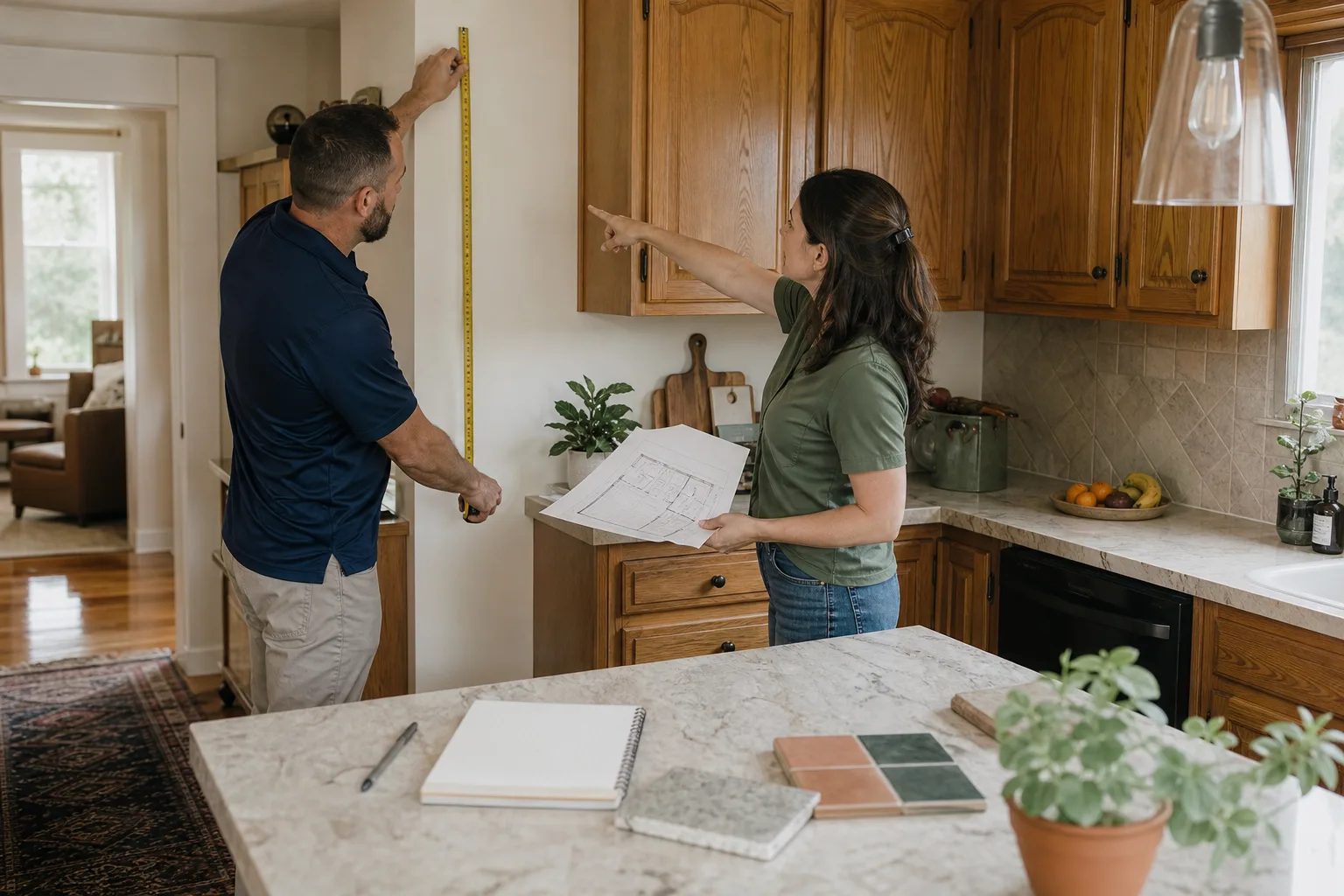
For a deeper look at how these categories break down across a full renovation, our guide to choosing a Elmstead Remodeling Spring Valley home team walks through how a project is scoped and sequenced from the first site visit.
What Needs a Permit in Clark County (and What Doesn’t)
Here’s how common Spring Valley projects sort by permit requirement, liability, and skill threshold. This is a working table, not a legal opinion; always confirm with Clark County Building before you commit.
- Interior painting: No permit. Low liability. Low-to-moderate skill. Good DIY candidate.
- Backsplash tile in kitchen or bathroom: No permit. Low liability. Moderate skill. Reasonable DIY candidate if you’ve tiled before.
- Cabinet hardware swap and repainting: No permit. Low liability. Low skill. Good DIY candidate.
- Landscaping under drainage and irrigation thresholds: No permit for basic plantings; irrigation and drainage that tie into the home’s plumbing usually trigger one. Low-to-moderate liability. Reasonable DIY candidate for shallow work.
- Fence replacement in-kind: No permit if identical in height and location. Moderate liability if a future buyer questions the boundary. Reasonable DIY with the right brands (Barrette, Master Halco, Ameristar, and Jerith all publish install specs).
- Water heater replacement: Permit required. High liability, since a bad install can void warranty and surface in an insurance claim. Not a DIY task.
- Bathroom plumbing relocation: Permit required. High liability. Not a DIY task.
- Electrical outlet addition or panel change: Permit required. High liability. Not a DIY task.
- Gas appliance hookup: Permit required. High liability. Not a DIY task.
- Structural changes, wall removals, roofline changes: Permit required. High liability. Not a DIY task.
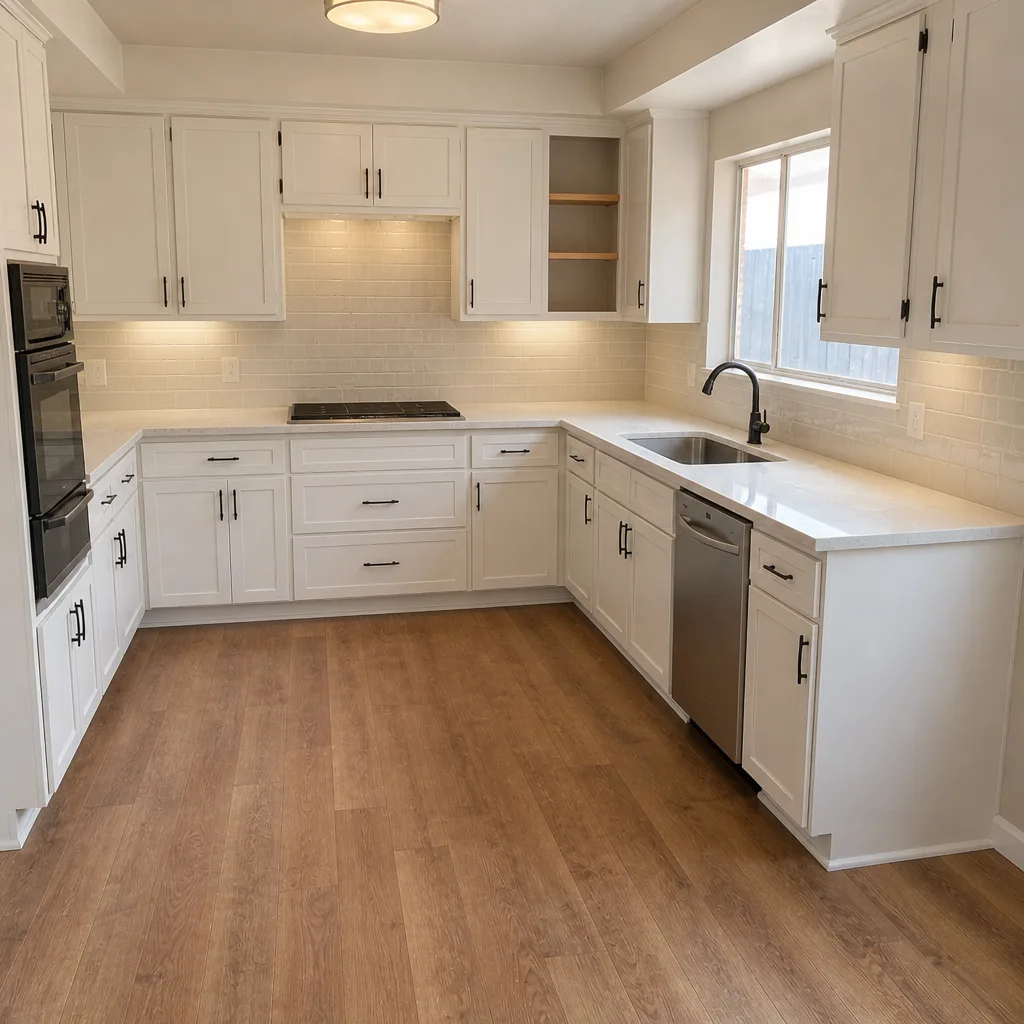
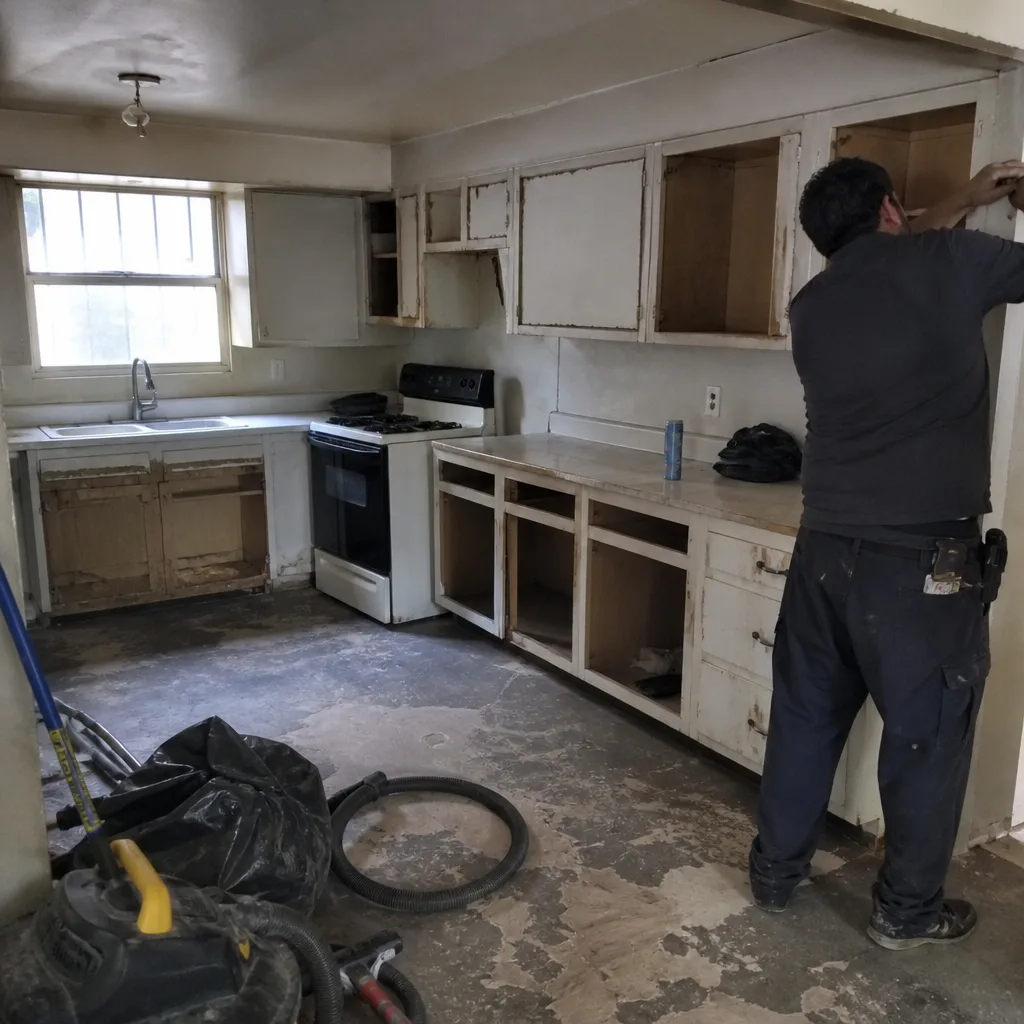
- Kitchen full remodel: Permit depends on scope; frequently required. High liability if plumbing or electrical move. Professional scope.
For the projects on the professional side of this table, our team at General Contractor in Spring Valley pulls the permits, coordinates inspections, and documents the work so nothing surfaces as a surprise at resale.
Projects That Are Genuinely Well-Suited to DIY in Spring Valley
There’s a real list of projects where a careful homeowner can save money without carrying a hidden cost forward. Painting is the obvious one: interior walls and ceilings, prep-and-fill work on drywall dings, and repainting baseboards are all tasks where the failure mode is cosmetic and reversible. Backsplash tile is another, provided you’re working on a flat wall over cement board and not trying to waterproof a shower. Swapping cabinet hardware, hinges, and pulls is a weekend job that changes a kitchen’s face for $80 in parts.
Landscaping in Spring Valley has its own logic. Turf conversion (removing sod and installing desert-friendly plantings) is a favored DIY project in this climate, particularly because the Southern Nevada Water Authority’s turf rebate incentives reward the change. Where to be careful: irrigation line rerouting and drainage that ties into the home’s foundation grade. Those are low-dollar jobs that can cause very expensive water intrusion if the grading ends up running toward the slab.
Paint prep in low desert humidity is one place to slow down. Spring Valley homes interior-finish at very low moisture levels, which means patching compound and caulk dry faster than a YouTube tutorial in the Midwest assumes. Sand, fill, re-sand, and let each layer cure according to the container rather than the video.
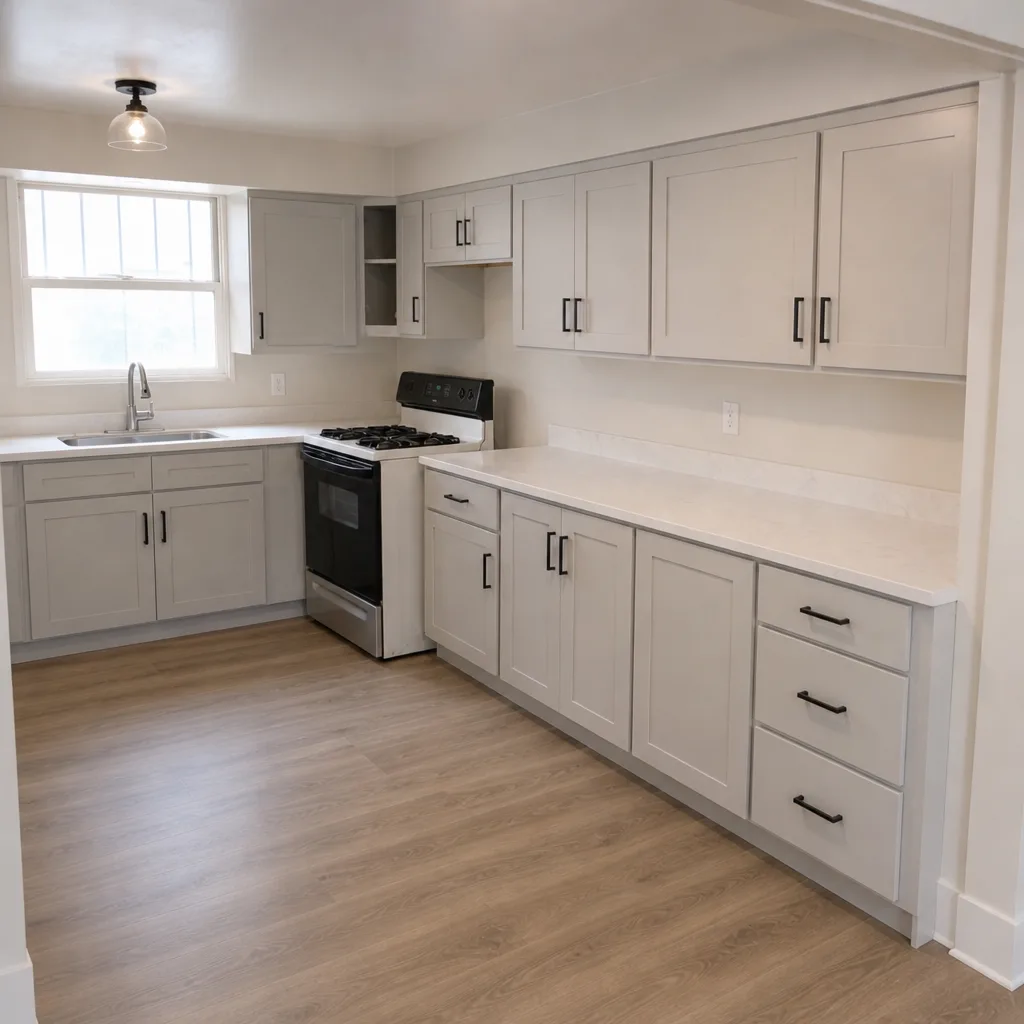
For kitchens specifically, small DIY touches often work better when combined with a professional approach to the big-ticket items. Our team’s Kitchen Remodeling in Spring Valley page explains where the DIY and professional scopes naturally split.
Projects That Look Easy but Hide Desert Failure Modes
Southern Nevada punishes three kinds of work more than the tutorials do.
Flat roof and low-slope flashing. Spring Valley has a lot of low-slope sections over patios and additions. Waterproofing a transition from a stucco wall to a flat roof membrane is finicky in a climate where there are exactly two seasons: sun and monsoon. Improper flashing often doesn’t show as a leak for six months, then shows as interior drywall damage during the first hard July storm. This is a place where a misstep quietly writes itself into the ceiling.
Exterior caulk in high-UV exposure. Standard latex caulk will chalk, crack, and pull away from stucco within a couple of Las Vegas summers. UV-rated elastomeric sealants hold. The specific mistake we’ve seen in Spring Valley: buying the caulk that’s on sale for an exterior penetration, then watching it fail by the second summer and letting water into a wall cavity. The right product costs $2 more per tube; the wrong one costs a wall repair.
Drywall finishing in low humidity. Joint compound in Nevada dry heat skins over fast, which sounds convenient and isn’t. A first-time finisher gets ridges and lap marks because the mud sets before it can be feathered. Professional crews account for this with retarders, faster passes, and a wet-edge technique. It’s a small part of the project that can keep a room unusable for an extra week.
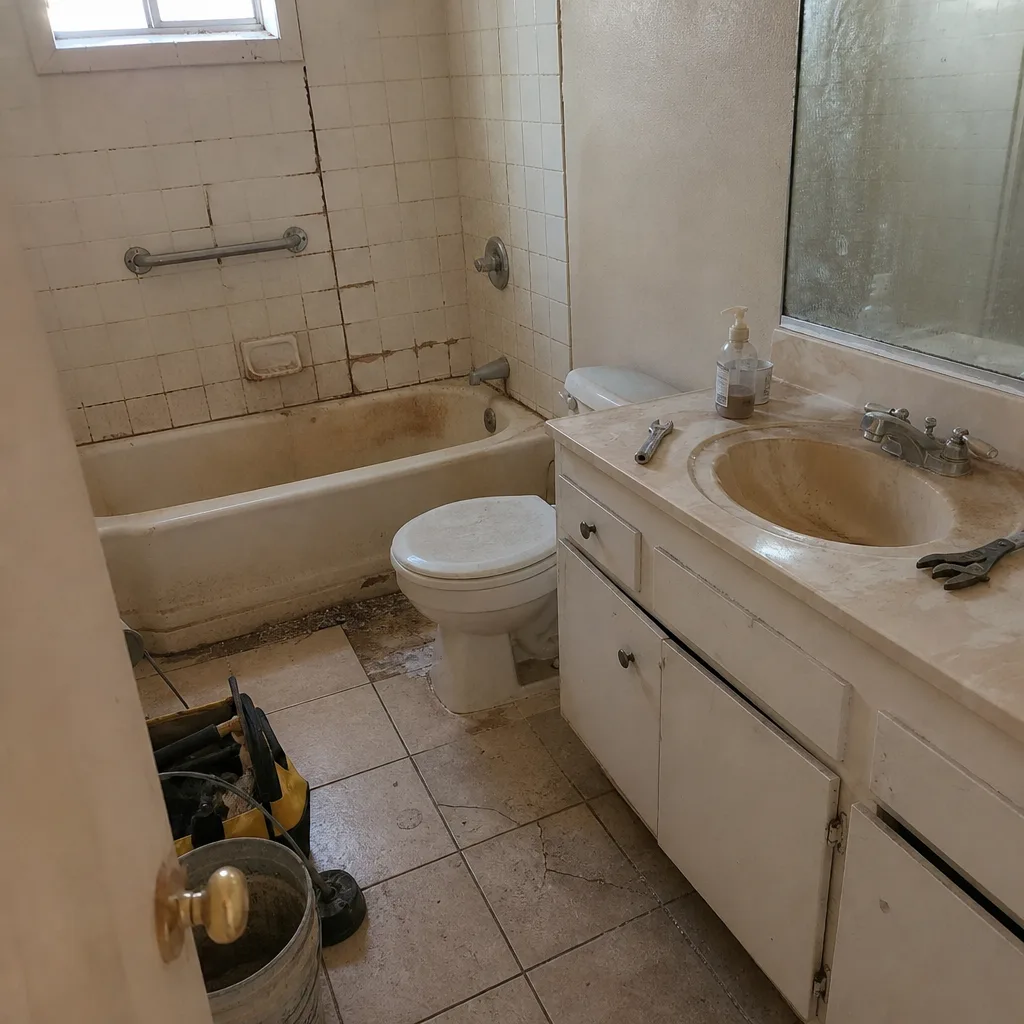
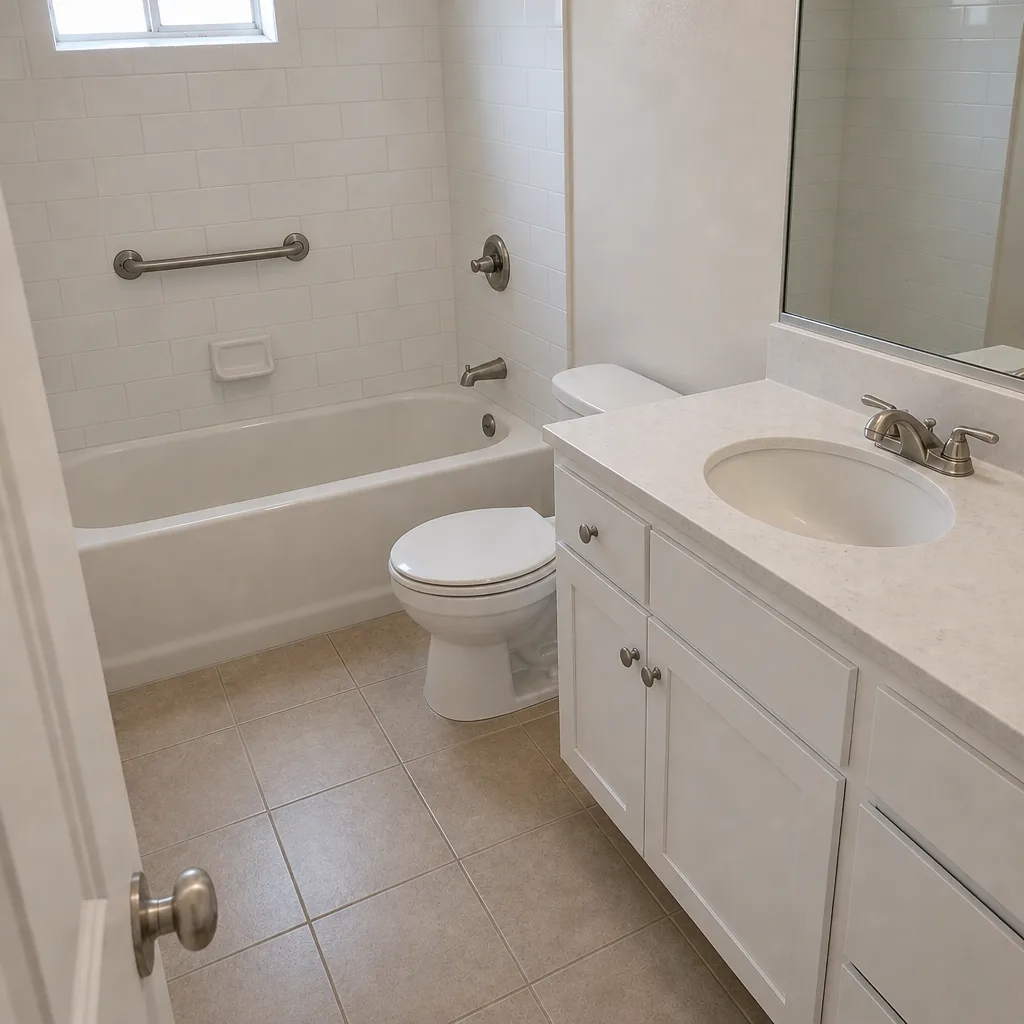
If any of these three areas is on your project list, an in-person bid is worth the conversation. Our Bathroom Remodeling in Spring Valley team handles the waterproofing and tile interface in exactly these conditions every week.
How to Calculate True DIY Cost Against a Professional Bid
The number that matters isn’t the shelf price at the hardware store. A realistic DIY cost model has five line items, and most homeowners compare only the first against a professional bid.
- Materials. The obvious cost. Include waste from learning curves: assume 15 to 25 percent extra tile, 20 percent extra paint, and at least one extra sheet of drywall beyond what a pro would buy. Learning curves get more expensive with each redo.
- Tool rental and purchase. A tile saw rental in Spring Valley runs roughly $70 to $110 per day depending on the model. A wet saw, an oscillating multi-tool, a drywall lift, and a decent shop vac can push a “small” project into four figures in tools alone.
- Time cost. Be honest about hours and multiply by what your weekend is worth to you. A professional crew that finishes a tile job in two days will often take a homeowner three weekends.
- Permit and inspection fees. Where required, permits cost money whether the job is DIY or professional. Skipping the permit doesn’t save the fee; it moves it into a disclosure at sale.
- The correction cost. This is the one most people leave out. If the work has to be redone by a licensed contractor, that cost is on top of everything else. A botched waterproofed shower rebuild is the most common example: a professional rebuild after a failed DIY shower can run $6,000 to $14,000 in Spring Valley depending on size and finish grade.
When a professional bid arrives with a written price before any work starts, that’s the number you’re really comparing against the total of the five lines above. Our team gives a written line-item price before we start every project; no estimates that grow after the crew arrives.
When You Plan to Do Some Work Yourself and Hire Out the Rest
Many Spring Valley homeowners land in a middle position: they want to paint, swap hardware, and finish landscape on their own, and want a professional for permits, plumbing, electrical, and tile. That works well as long as the boundaries are written down before work begins. The best contract for a mixed project does five things.
- Names the scope of each side. The written price should list what the contractor is doing and, just as clearly, what the contractor is not doing. “Owner will paint” on the contract is worth more than a verbal understanding.
- Sequences the work. Painting goes after tile, before cabinets. Cabinet install goes after plumbing rough-in for the sink. The contract should spell out the order; otherwise both sides show up at the wrong time.
- Sets the warranty boundaries in writing. If the professional installs the tile and the homeowner paints over it, the tile warranty should say clearly what it does and doesn’t cover. A written warranty that survives a mixed project is a sign of a serious contractor.
- Covers materials choices. If the homeowner is buying fixtures, the named brands (Kohler, Moen, Grohe, for example) should be written into the scope so there’s no ambiguity when the box arrives.
- Includes inspection sequencing. The contractor’s permit still has to close at the right moment. Mixed projects get stuck when an owner-led cosmetic piece is done after the final inspection and something needs a revisit.
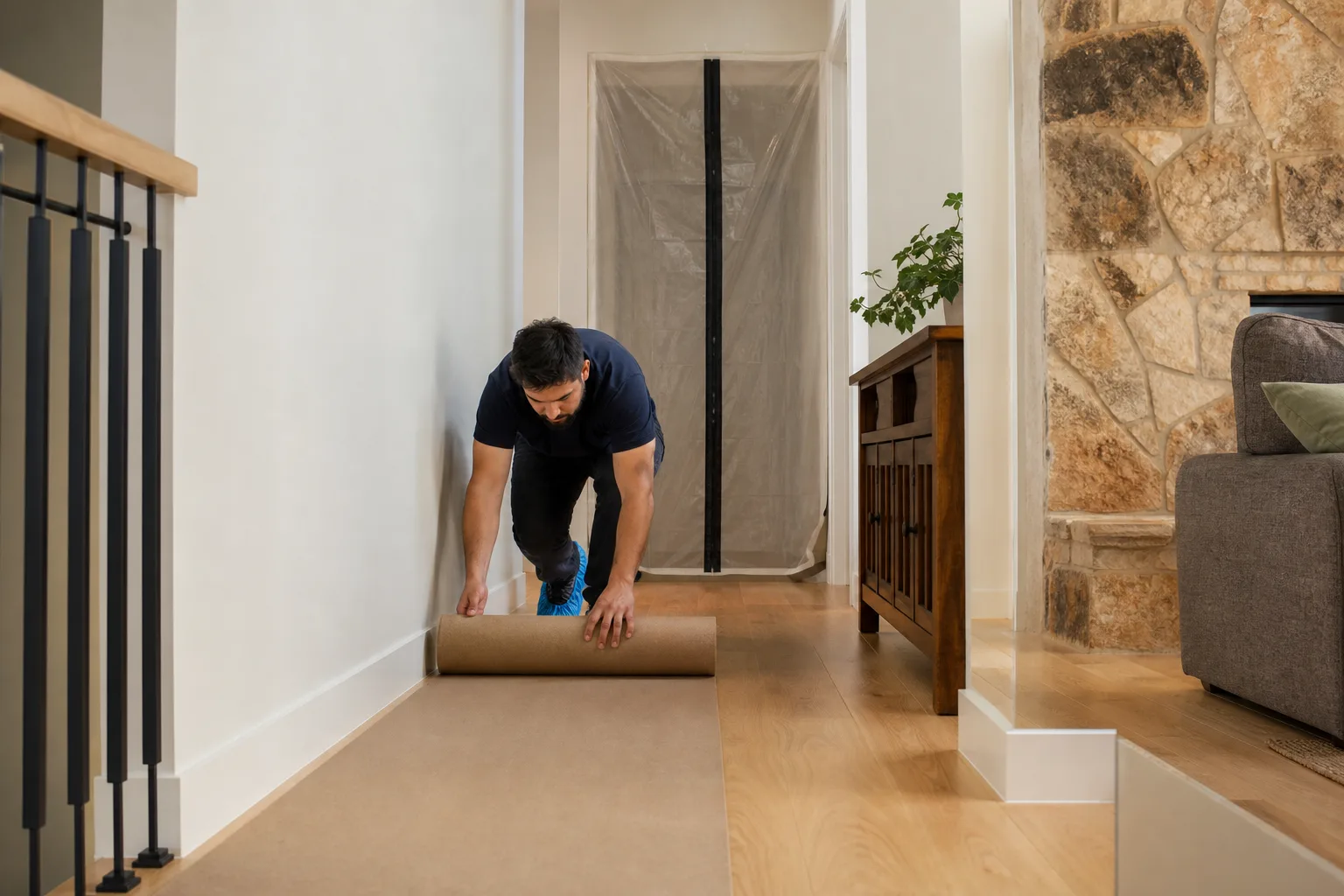
Ask any contractor three questions before signing a mixed-scope contract: who pulls the permit, who owns the cleanup between phases, and what the crew will and won’t touch. At Elmstead Remodeling Spring Valley, shoe covers and drop cloths are on every visit, the crew asks before moving anything, and we photograph the cleanup before we leave so there’s a documented handoff between phases.
Common Mistakes to Avoid
- Skipping the permit “just this once.” It shows up as a disclosure item at sale in Spring Valley and can complicate an insurance claim if a problem later traces to the unpermitted work. The fee is small compared to the exposure.
- Buying exterior caulk on price. The cheap tube fails in one or two Las Vegas summers. UV-rated elastomeric is the right product for every exterior penetration on a Spring Valley home.
- Underestimating waste. Ordering material for the finished square footage guarantees a second trip. Add 15 to 25 percent for any DIY tile or paint project.
- Finishing drywall in a hurry. Low desert humidity speeds the cure. Rushing the passes produces lap marks and ridges that no paint covers. Patience in the mudding stage is cheaper than redoing the wall.
- Comparing a DIY shelf price to a full professional bid. A bid covers permits, disposal, tools, cleanup, and warranty. The right comparison uses all five line items, not just materials.
- Leaving the sequencing loose in a mixed project. Confusion about who does what, in what order, always costs time. Written scope on both sides prevents it.
- Missing the resale document trail. Photograph and keep permit paperwork for every alteration. A future buyer’s lender will ask, and Spring Valley listings move faster with a clean paper trail.
When to Call a Professional
Call a licensed professional if the work requires a permit, touches gas, plumbing, or electrical systems beyond a swap-in fixture, changes the structure or roofline, involves wet-area waterproofing, or could surface in a future insurance claim. Call us, too, if you’ve started a DIY project and hit a wall you can feel is beyond the tools in the garage; correction is usually cheaper the sooner it happens. Our technicians have up to 21 years of experience across the exact conditions Spring Valley homes present. Elmstead Remodeling Spring Valley offers free estimates in Spring Valley; call (844) 320-4882. Every project runs under the Cedarwell Care Promise: a written price before any work starts, shoe covers and drop cloths on every visit, quiet tools during family rest hours where possible, pet-safe product choices where there’s a choice, and a photo of the cleanup before the crew leaves.
Frequently Asked Questions
Clark County requires a permit for structural changes, additions, plumbing relocation, electrical work beyond a swap-in fixture, gas appliance work, water heater replacement, and any change to the home’s footprint or roofline. Interior painting, backsplash tile, cabinet hardware, and basic cosmetic work generally don’t. Confirm with the county before you buy materials. If you’re not sure which side a project falls on, call (844) 320-4882 for a free estimate and we’ll tell you honestly.
No. Water heater replacement requires a permit in Clark County, and installing without one creates an unpermitted alteration that has to be disclosed at sale, can void the manufacturer’s warranty, and can complicate an insurance claim. It’s one of the few tasks where the cost of a mistake is much larger than the cost of hiring. Call (844) 320-4882 for a written price before any work starts.
Most Spring Valley kitchen remodels land between $28,000 and $75,000 depending on size, layout changes, and finish grade. A cosmetic-only refresh with new counters and cabinet fronts stays at the low end; a full rebuild with new plumbing and electrical moves runs higher. All bids should be written, line-item, and delivered before any work starts. Call (844) 320-4882 for an exact number on your kitchen; estimates are free.
Because low desert humidity dries joint compound much faster than it cures. A first-time finisher often gets ridges and lap marks before the mud can be feathered. Professional crews use faster passes, sometimes with retarders, to stay ahead of the dry time. It’s a small technical detail that can cost a homeowner an extra week of unusable rooms. If a drywall project is on your list, call (844) 320-4882 for a bid.
Turf conversion and desert plantings are the cheapest and most durable option in this climate, and Southern Nevada Water Authority rebates often offset a meaningful share of the cost. Basic plantings and shallow irrigation are reasonable DIY scope; anything that reroutes drainage or grades toward the foundation should go to a professional. Tile patios and hardscape stack up in cost quickly. Call (844) 320-4882 for a written quote on the hardscape portion.
Yes, when the permitted scope is ours. If you paint or finish landscape and we run the plumbing, electrical, or structural work, the permit is sampled in the written contract along with who pulls it, when inspections close, and what the warranty covers after the homeowner’s cosmetic phase. Those boundaries should be in writing before work starts. Call (844) 320-4882 to talk through the split on your project.
The Bottom Line
The DIY-versus-hire question comes down to three things: does the work need a permit, does a mistake leave a liability on the house, and does the failure mode show up quietly in desert conditions. Painting, backsplash tile, cabinet hardware, and basic landscaping stay comfortably on the homeowner side of that line in Spring Valley. Water heaters, plumbing, gas, electrical, structural work, and wet-area waterproofing belong with a licensed contractor whose work is documented and warrantied. The right way to think about it isn’t “can I do this?” but “what happens to this house, this insurance policy, and this resale if I get it wrong?” Call (844) 320-4882 for a free estimate; written price before any work starts, 365-Day Done Right Promise on every completed project.
Written by the team at Elmstead Remodeling Spring Valley.
See the difference
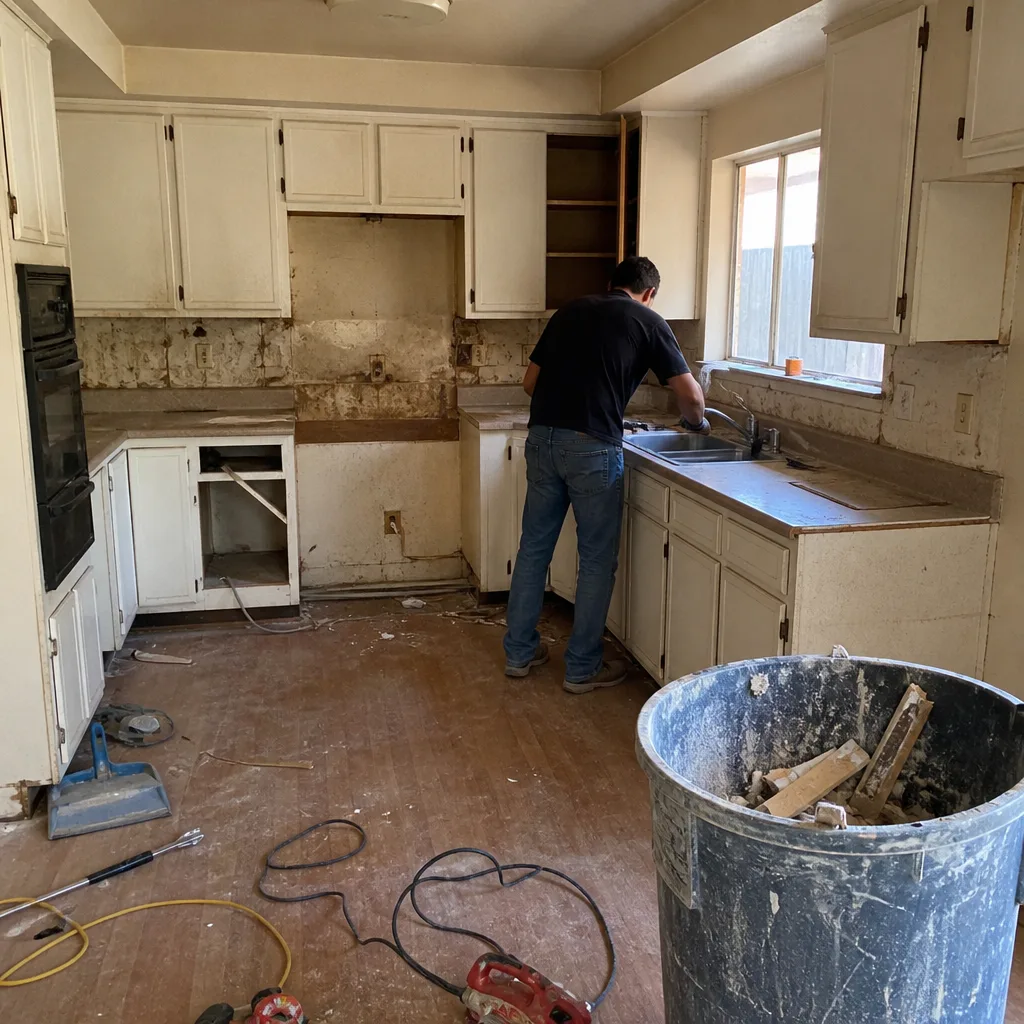 Before
 After
 Before
 After
 Before
 After